
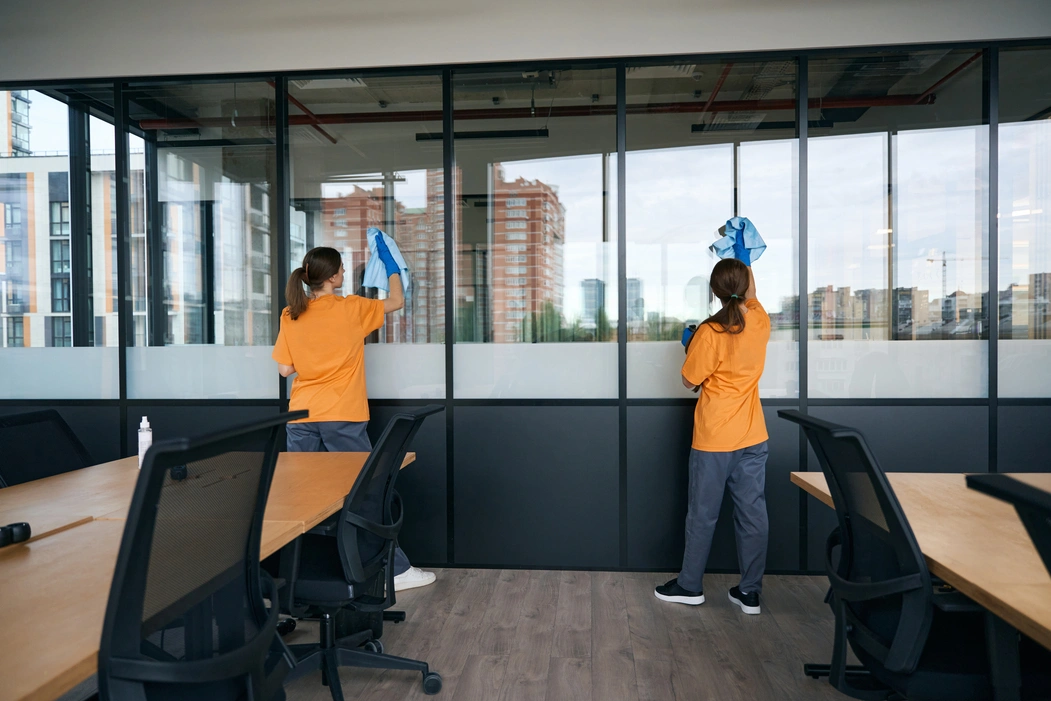

Cleaning chemicals are essential for maintaining hygiene in commercial environments, but improper handling can create serious health and safety risks. From office spaces to industrial facilities, avoiding chemical hazards is a key part of safe cleaning practices.
Understanding how to use, store, and manage cleaning chemicals correctly helps protect employees, cleaning staff, and building occupants while ensuring effective sanitation.
Understanding Chemical Hazards in Cleaning
Chemical hazards refer to the risks posed by exposure to cleaning substances that may be toxic, corrosive, flammable, or irritating.
These risks can occur through inhalation, skin contact, or accidental ingestion, making proper handling procedures essential in all workplaces.
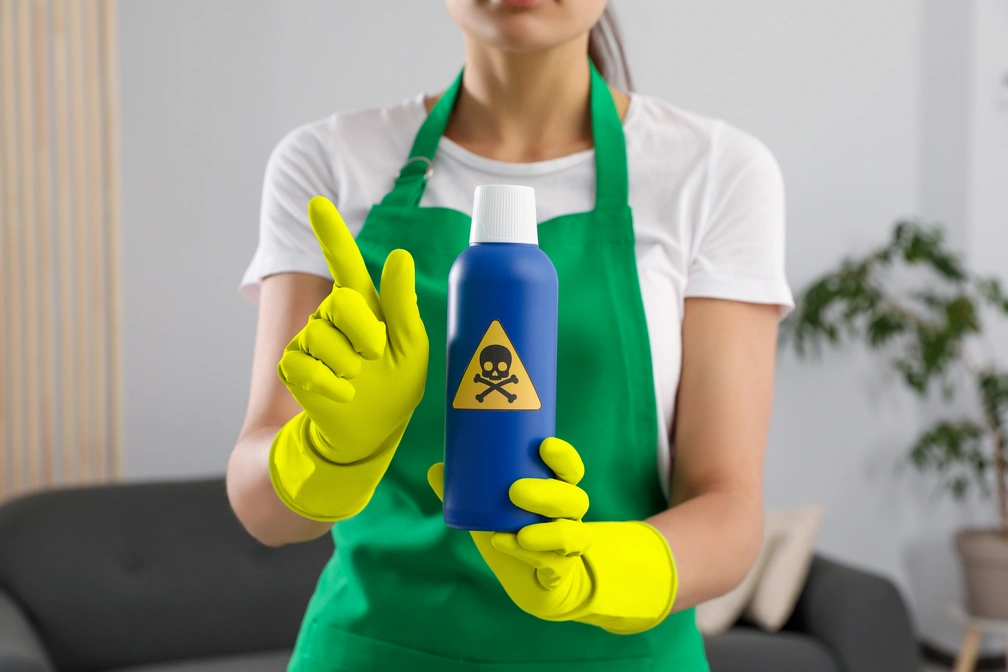
Always Read Product Labels
One of the most important safety steps is reading and understanding chemical labels before use. Labels provide information on hazards, usage instructions, and safety precautions.
Ignoring this information increases the risk of misuse and exposure to harmful substances.
Use Proper Personal Protective Equipment (PPE)
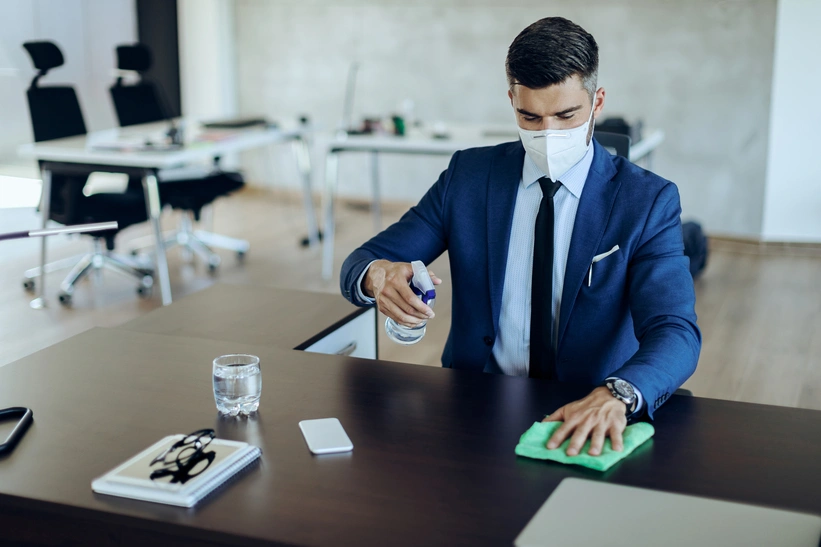
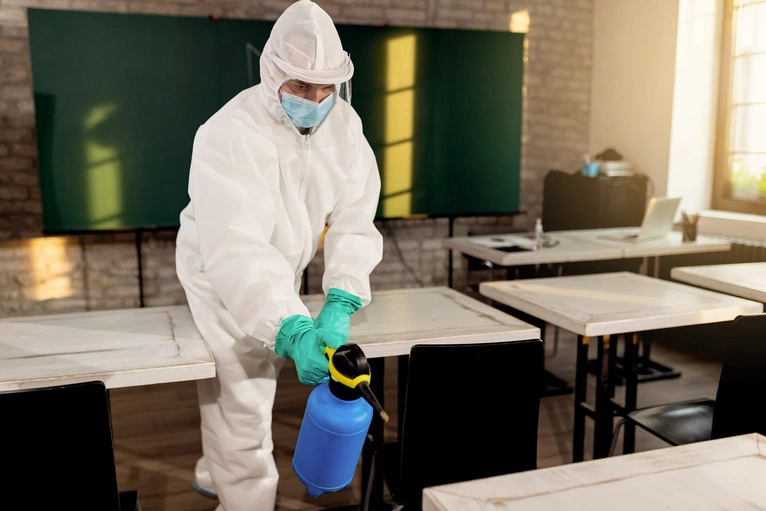
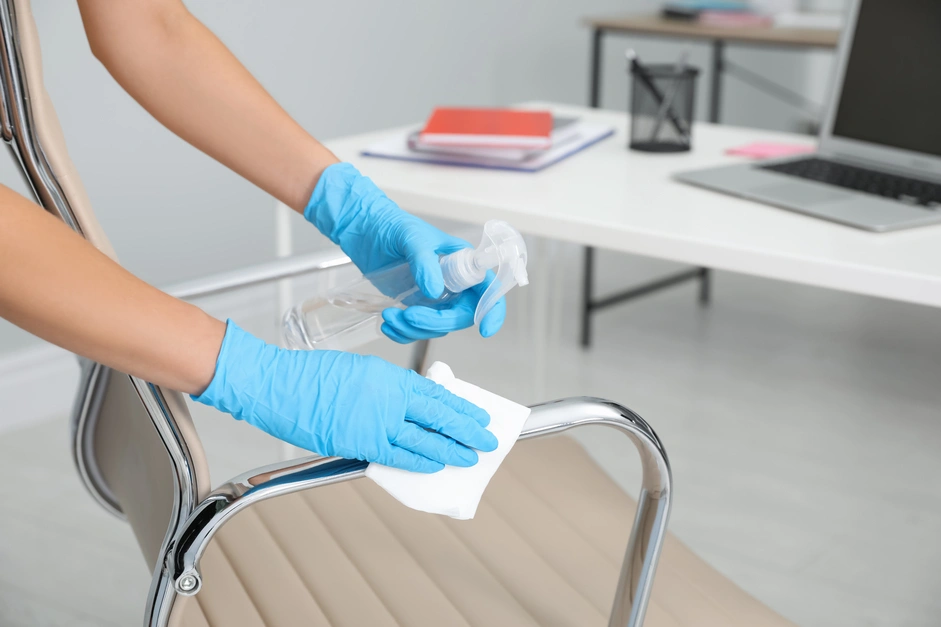
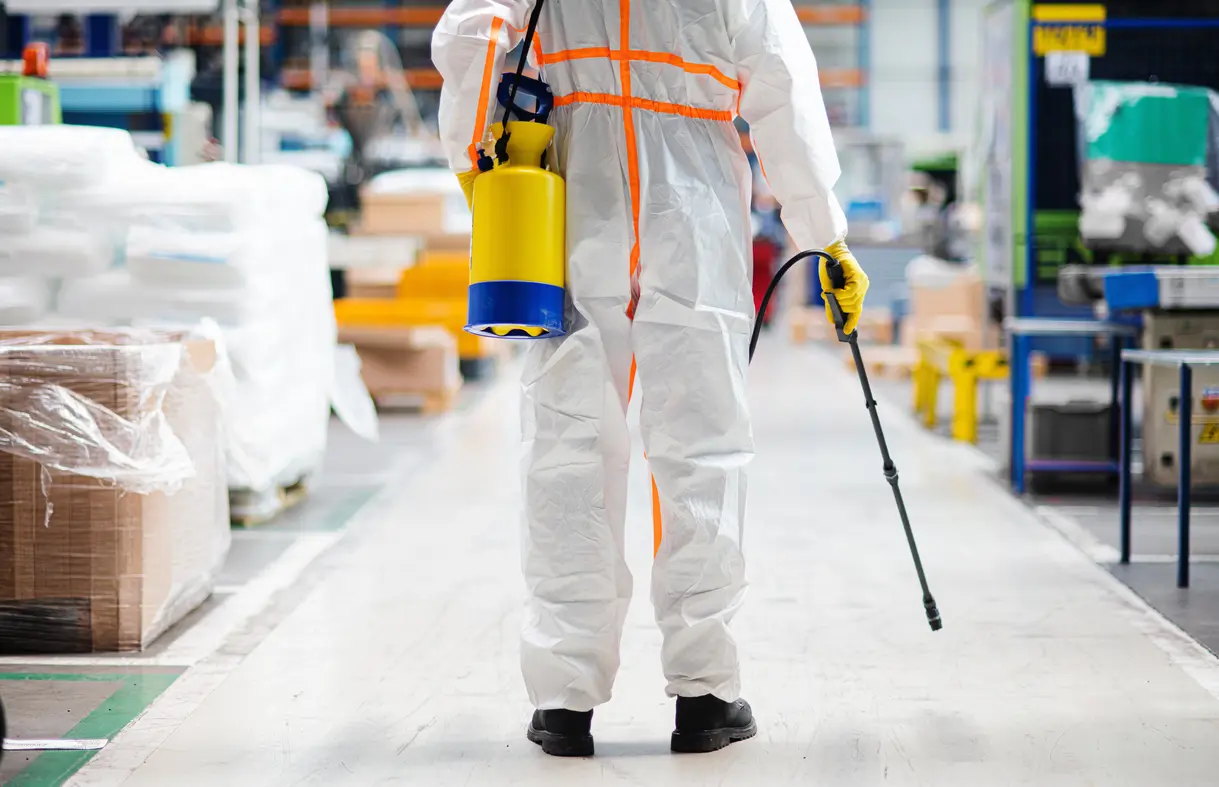
Wearing appropriate PPE is essential when handling cleaning chemicals. This may include gloves, masks, goggles, or protective clothing depending on the product being used.
PPE acts as a barrier between the chemical and the user, reducing the risk of direct exposure.
Ensure Proper Ventilation
Many cleaning chemicals release fumes that can be harmful in enclosed spaces. Proper ventilation helps reduce inhalation risks.
Opening windows, using exhaust systems, or improving airflow ensures safer working conditions during cleaning.
Never Mix Cleaning Chemicals
Mixing different cleaning products can create dangerous chemical reactions, sometimes producing toxic gases.
For example, combining bleach with ammonia can release harmful fumes that are dangerous to inhale.
Use the Correct Dilution Ratios
Using too much chemical does not improve cleaning results and can increase health risks. Many products are designed to be diluted before use.
Following manufacturer instructions ensures both safety and effectiveness.
Store Chemicals Safely
Proper storage is critical in preventing chemical hazards. Cleaning products should be stored in labeled containers, away from heat sources, and in well-ventilated areas.
They should also be kept out of reach of unauthorized personnel to prevent accidental exposure.
Avoid Skin and Eye Contact
Direct contact with cleaning chemicals can cause irritation or burns. Immediate washing with water is necessary if exposure occurs.
Using gloves and protective eyewear significantly reduces the risk of injury.
Train Cleaning Staff Properly
Proper training ensures that staff understand how to handle chemicals safely. Training should include correct usage, emergency procedures, and hazard awareness.
Well-trained staff are less likely to make mistakes that lead to accidents or exposure.
Label All Chemical Containers
All containers should be clearly labeled to avoid confusion. Using unmarked bottles increases the risk of misuse or accidental mixing.
Proper labeling ensures that every product is used correctly and safely.
Use Only Approved Cleaning Products
Using certified and approved cleaning chemicals reduces the risk of harmful reactions and ensures compliance with safety standards.
Low-quality or unverified products may contain unsafe ingredients that increase hazards.
Dispose of Chemicals Properly
Improper disposal of cleaning chemicals can harm the environment and pose safety risks.
Follow local disposal regulations and avoid pouring chemicals down drains unless instructed.
Avoid Overuse of Chemicals
Using excessive amounts of cleaning agents does not improve results and can increase exposure risks.
Applying the correct amount ensures effective cleaning while maintaining safety.
Emergency Preparedness
Workplaces should have clear procedures in case of chemical exposure or spills. This includes access to first aid kits and emergency contact information.
Quick response can significantly reduce the impact of accidental exposure.
Regular Safety Inspections
Routine inspections help identify potential risks such as leaking containers, improper storage, or expired products.
Addressing these issues early prevents accidents and ensures ongoing safety.
Conclusion
Avoiding chemical hazards in cleaning is essential for maintaining a safe and healthy workplace. By following proper handling procedures, using protective equipment, and ensuring staff training, businesses can significantly reduce risks.
Safe chemical management not only protects people but also improves the overall efficiency and reliability of cleaning operations.