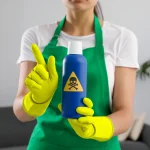




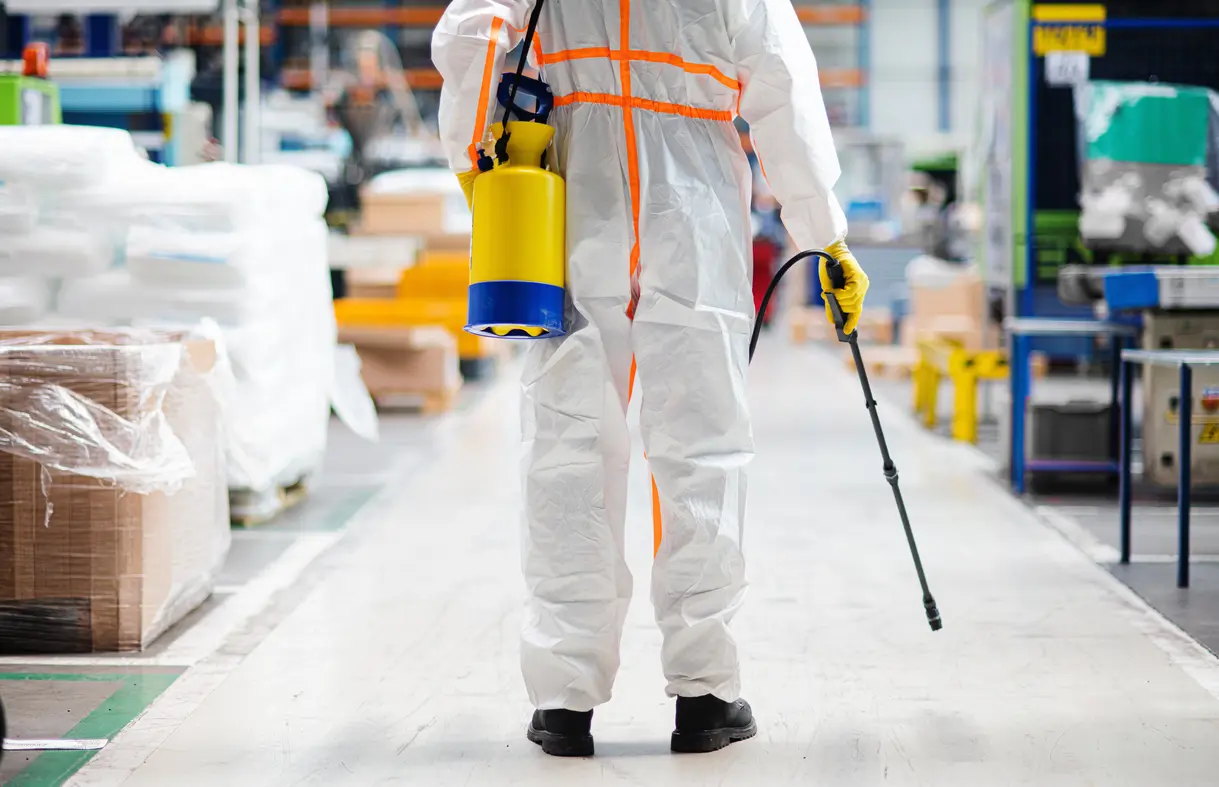


Cleaning chemical labels are often overlooked, but they contain critical information about how to use products safely and effectively. In commercial environments like offices, hospitals, and retail spaces, understanding these labels is essential for preventing misuse, protecting staff, and ensuring proper cleaning results.
In busy workplaces where multiple cleaning products are used daily, reading and interpreting labels correctly helps avoid health risks and improves cleaning efficiency.
Why Chemical Labels Matter
Labels are designed to communicate safety instructions, usage guidelines, and hazard warnings. They are not just formalities—they are essential for safe handling.
Ignoring label instructions can lead to improper dilution, chemical exposure, or damage to surfaces and equipment.
Key Components of a Cleaning Chemical Label
Most cleaning chemical labels include several important sections. These typically cover product identification, usage instructions, safety warnings, and storage guidelines.
Each section provides specific information that helps users apply the product correctly and safely.
Product Identification
This section shows the name of the product and its intended purpose. It helps users understand what the chemical is designed for, such as disinfecting, degreasing, or general cleaning.
Using the right product for the right task ensures better results and prevents misuse.
Instructions for Use
Usage instructions explain how to properly apply the product. This may include dilution ratios, application methods, and recommended surfaces.
Following these instructions ensures the chemical works effectively without causing damage or safety issues.
Safety Warnings and Hazard Symbols
Hazard symbols on labels indicate potential risks such as toxicity, flammability, or skin irritation.
These symbols are standardized to quickly communicate danger levels, helping users take necessary precautions before use.
Personal Protective Equipment (PPE) Guidance
Many labels specify the type of protective gear required when handling the product, such as gloves, masks, or eye protection.
This information is important for preventing direct exposure to harmful chemicals during cleaning tasks.
First Aid Instructions
In case of accidental exposure, labels often include first aid guidance. This may cover what to do if the chemical is inhaled, ingested, or comes into contact with skin or eyes.
Having this information readily available can help reduce harm in emergency situations.
Storage Recommendations
Proper storage is essential for maintaining chemical effectiveness and safety. Labels typically include instructions on temperature, ventilation, and container handling.
Following storage guidelines prevents degradation of the product and reduces accident risks.
Expiration or Shelf Life
Some cleaning chemicals have an expiration date or shelf life indicated on the label.
Using expired products can reduce effectiveness and increase safety risks, so this information should always be checked before use.
Dilution Ratios
Many commercial cleaning products are concentrated and require dilution before use.
Labels provide precise ratios to ensure the solution is effective while minimizing chemical exposure and waste.
Environmental Information
Some labels include details about environmental impact, such as biodegradability or safe disposal methods.
This helps businesses make environmentally responsible choices and comply with sustainability practices.
Common Mistakes When Reading Labels
One common mistake is assuming all cleaning chemicals are used the same way. Another is ignoring dilution instructions or safety warnings.
Misinterpreting labels can lead to ineffective cleaning or unsafe conditions in the workplace.
Importance for Workplace Safety
Understanding chemical labels is directly linked to workplace safety. Proper use of cleaning products reduces accidents, health risks, and surface damage.
It also ensures compliance with safety regulations and industry standards.
Role of Training in Label Understanding
Cleaning staff should be trained to read and interpret chemical labels correctly. This includes recognizing hazard symbols, understanding instructions, and applying safety measures.
Training improves consistency and reduces the risk of misuse in daily cleaning operations.
Conclusion
Cleaning chemical labels provide essential information that ensures safe and effective use of products. Understanding these labels helps prevent health risks, improves cleaning results, and supports a safer work environment.
For any business using cleaning chemicals, proper label awareness is a key part of responsible facility management.