

Maintaining a consistently clean office environment is not just about appearance; it directly affects employee productivity, client perception, and overall workplace health. In busy commercial environments like Chicago, where businesses operate in high-traffic urban settings, cleanliness becomes even more critical due to external dust, pollution, and constant human movement. A structured daily cleaning routine ensures that no area is overlooked and that the workspace remains hygienic, organized, and welcoming throughout the day.
A well-planned office cleaning checklist helps cleaning staff work efficiently while ensuring that all essential tasks are completed without confusion or repetition. It also creates accountability, especially in larger office spaces where multiple teams or cleaning personnel may be involved. Without a structured approach, important areas such as high-touch surfaces, shared equipment, or restrooms can easily be neglected, leading to hygiene risks and a poor workplace environment.
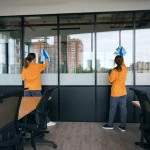
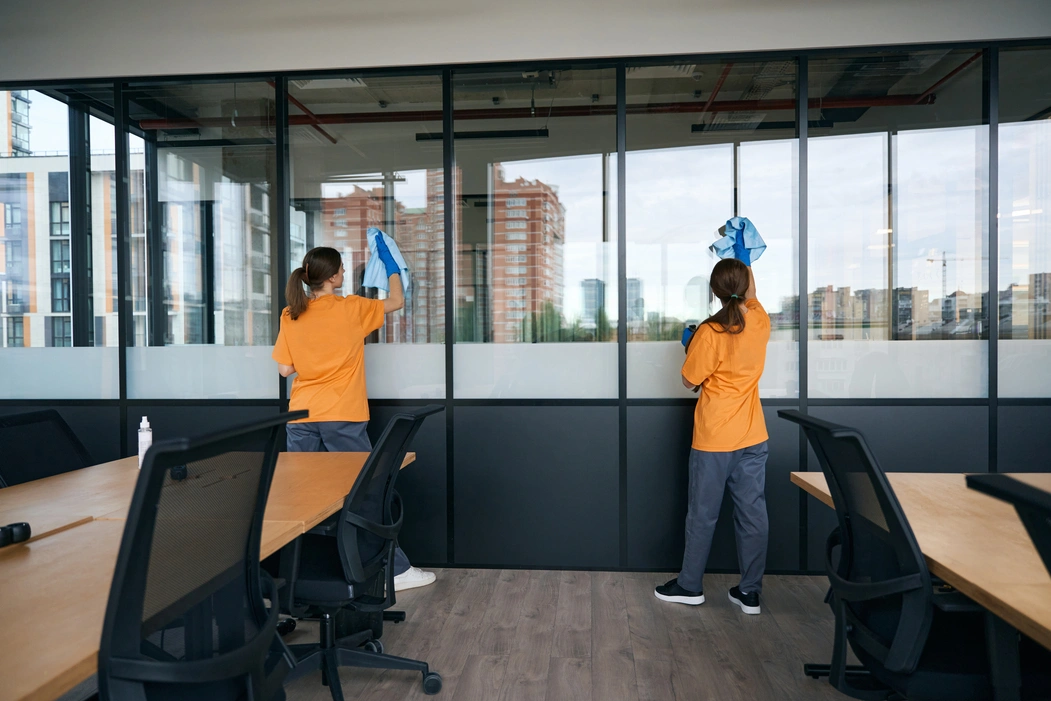
The foundation of any daily office cleaning routine begins with common areas. Reception zones, waiting areas, and entry points form the first impression for clients and visitors. These spaces should always be free from dust, fingerprints, and clutter. Floors must be swept or vacuumed thoroughly, and any glass surfaces such as doors or reception desks should be cleaned with streak-free solutions. Chairs and sofas in waiting areas should also be checked for dust accumulation and cleaned regularly to maintain a professional appearance.
Workstation and Desk Cleaning
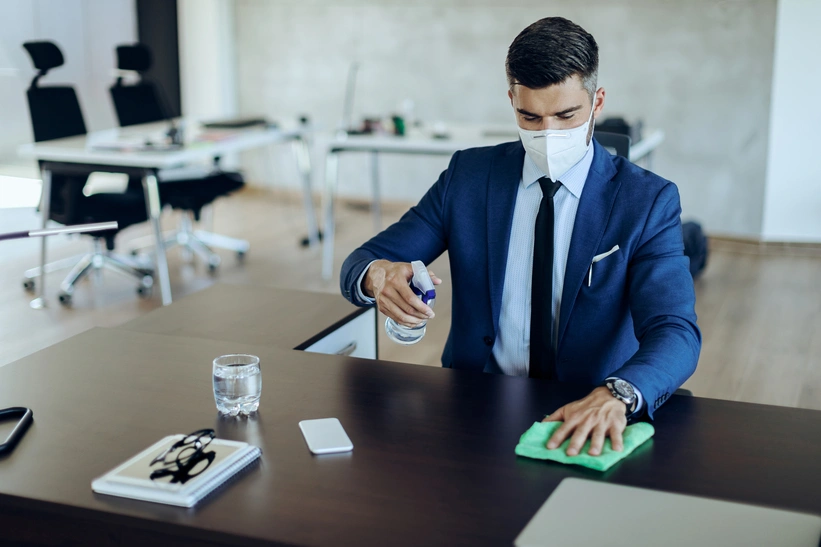
Employee workstations are one of the most frequently used areas in any office. These spaces accumulate dust, food particles, and germs quickly due to constant interaction with keyboards, monitors, phones, and office stationery. A daily cleaning checklist should include wiping down desks using microfiber cloths and safe disinfectants that do not damage electronic equipment. Keyboards and mice should be cleaned carefully to remove hidden dirt that can affect hygiene and device performance.
It is also important to encourage employees to maintain personal desk hygiene by keeping unnecessary items off the workspace. Cleaning staff can then focus on sanitizing surfaces rather than organizing clutter. This combination of employee responsibility and professional cleaning ensures a more efficient workflow.
Floor Maintenance and Care
Office floors experience heavy foot traffic throughout the day, especially in commercial buildings in urban cities like Chicago. Dust, debris, and outdoor pollutants are commonly tracked inside, making daily floor maintenance essential. Depending on the flooring type—carpet, tile, or vinyl—the cleaning method may vary. Carpets require vacuuming with high-suction machines to remove embedded dirt, while hard floors should be mopped using appropriate cleaning solutions to avoid residue buildup.
Spills should be addressed immediately to prevent stains and slipping hazards. A daily checklist should clearly assign responsibility for floor inspection at regular intervals to ensure safety and cleanliness standards are maintained consistently.
Restroom Sanitization
Restrooms are one of the most sensitive areas in any office environment. Proper cleaning and sanitization are critical to prevent the spread of bacteria and unpleasant odors. A daily cleaning checklist should include disinfecting toilet seats, sinks, faucets, and door handles multiple times during the day, especially in high-traffic offices.
Supplies such as soap, tissue paper, and hand sanitizers should be checked and replenished regularly. Floors must be cleaned with disinfectant solutions to maintain hygiene standards. A well-maintained restroom reflects directly on the professionalism of a business and plays a major role in employee satisfaction.
Kitchen and Breakroom Cleaning
Office kitchens and breakrooms are shared spaces where employees store and consume food. These areas require strict daily cleaning routines to avoid hygiene issues. Surfaces such as countertops, tables, and sinks should be cleaned and disinfected after each use whenever possible. Refrigerators should be checked for expired food items, and microwaves should be cleaned inside and out to prevent odor buildup.
Trash bins in these areas should be emptied daily to avoid pests and unpleasant smells. A structured checklist ensures that these tasks are not overlooked even during busy workdays.
Trash Management and Disposal
Efficient waste management is a crucial part of any office cleaning routine. Trash bins should be emptied at least once a day or more frequently depending on office size. Waste should be properly segregated into recyclable and non-recyclable categories where applicable. Liners should be replaced daily to maintain hygiene and prevent leakage or odor issues.
In larger office buildings, waste disposal should follow building regulations and be coordinated with facility management to ensure proper handling and environmental compliance.
High-Touch Surface Disinfection
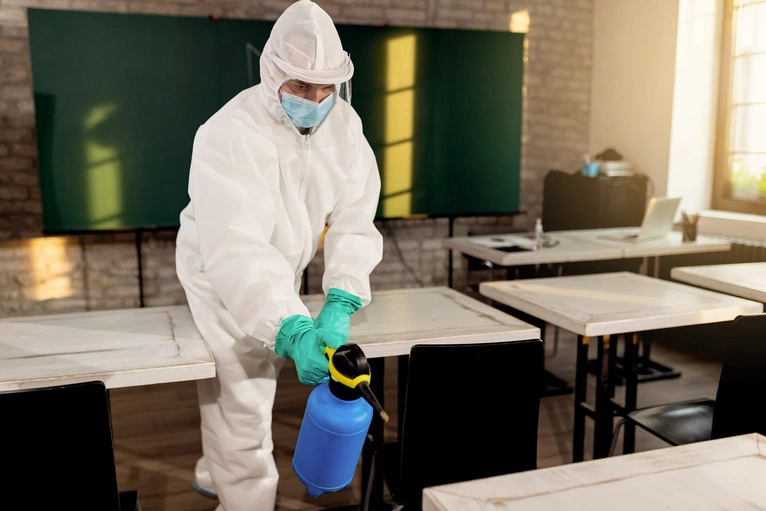
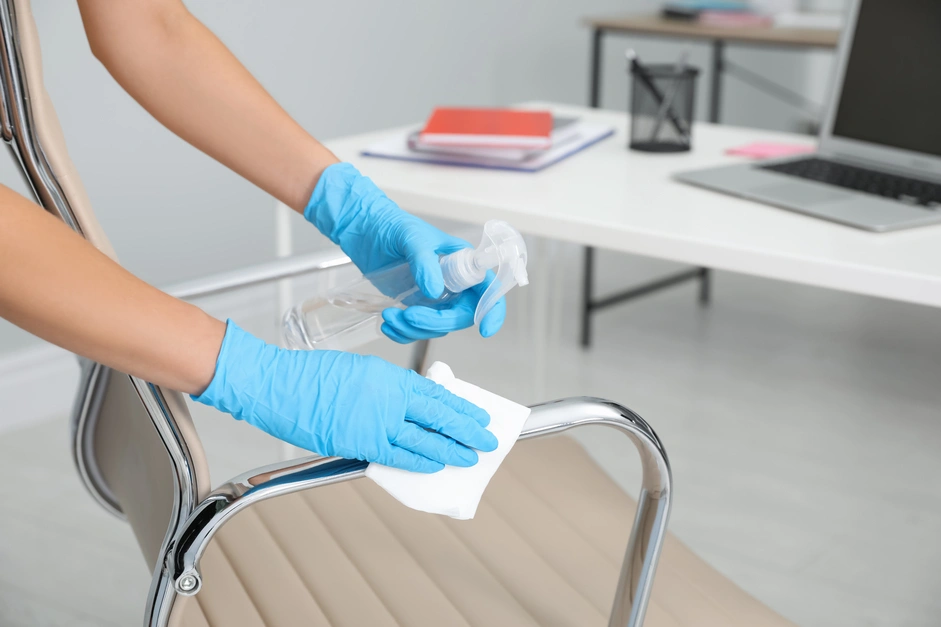
High-touch surfaces are one of the most common sources of germ transmission in office environments. These include door handles, elevator buttons, light switches, shared printers, and conference room equipment. A daily cleaning checklist must prioritize disinfecting these areas multiple times throughout the day.
Using hospital-grade disinfectants or EPA-approved cleaning solutions ensures that harmful bacteria and viruses are effectively eliminated. This step is especially important in shared office spaces where multiple employees and visitors interact with the same surfaces.
Air Quality and Ventilation
Indoor air quality plays a significant role in workplace health and comfort. Dust accumulation in vents and poor ventilation can lead to respiratory issues and reduced productivity. A daily checklist should include basic inspection of air circulation systems and removal of visible dust from vents and fans.
While deep HVAC cleaning is not required daily, ensuring that air filters are functioning properly and that rooms are well-ventilated contributes significantly to a healthier work environment.
Final Inspection and Quality Check
Before concluding the cleaning routine, a final inspection should be conducted to ensure all tasks have been completed properly. This step helps identify any missed areas and ensures consistency in cleaning standards. Supervisors or team leads can use a printed checklist or digital tracking system to verify task completion.
This quality control step is essential for maintaining long-term cleanliness standards and ensuring client satisfaction in commercial office environments. It also helps improve accountability among cleaning staff and reduces the chances of recurring issues.
A structured daily office cleaning checklist is not just a maintenance tool—it is a strategic system that supports productivity, health, and professionalism in the workplace. When implemented consistently, it transforms office environments into organized, efficient, and welcoming spaces that reflect positively on the business itself.