




A well-structured commercial cleaning schedule is the backbone of a clean, safe, and professional workspace. Without a proper system, cleaning becomes random, inconsistent, and often reactive instead of preventive. In busy commercial environments like offices, retail spaces, and industrial facilities in cities such as Chicago, a clear schedule ensures hygiene standards are maintained without disrupting operations.
The purpose of a cleaning schedule is simple: assign the right tasks at the right time so every part of the facility stays consistently clean and functional.
Why a Cleaning Schedule Matters
Commercial spaces experience constant foot traffic, shared surfaces, and environmental exposure. Without a structured plan, dirt accumulates quickly, leading to hygiene issues, poor appearance, and higher maintenance costs.
A proper schedule improves efficiency, reduces confusion among staff, and ensures no area is neglected. It also helps extend the life of floors, furniture, and equipment by preventing long-term buildup.
Daily Cleaning Tasks
Daily cleaning focuses on maintaining basic hygiene and keeping the workplace presentable throughout the day. These tasks are essential for controlling mess before it builds up.
Common daily tasks include emptying trash bins, wiping desks and shared surfaces, disinfecting high-touch points, and cleaning floors in high-traffic areas. Restrooms and kitchen spaces also require daily sanitization to maintain hygiene standards.
Weekly Cleaning Tasks
Weekly cleaning goes beyond surface maintenance and targets areas that accumulate dust and grime over time.
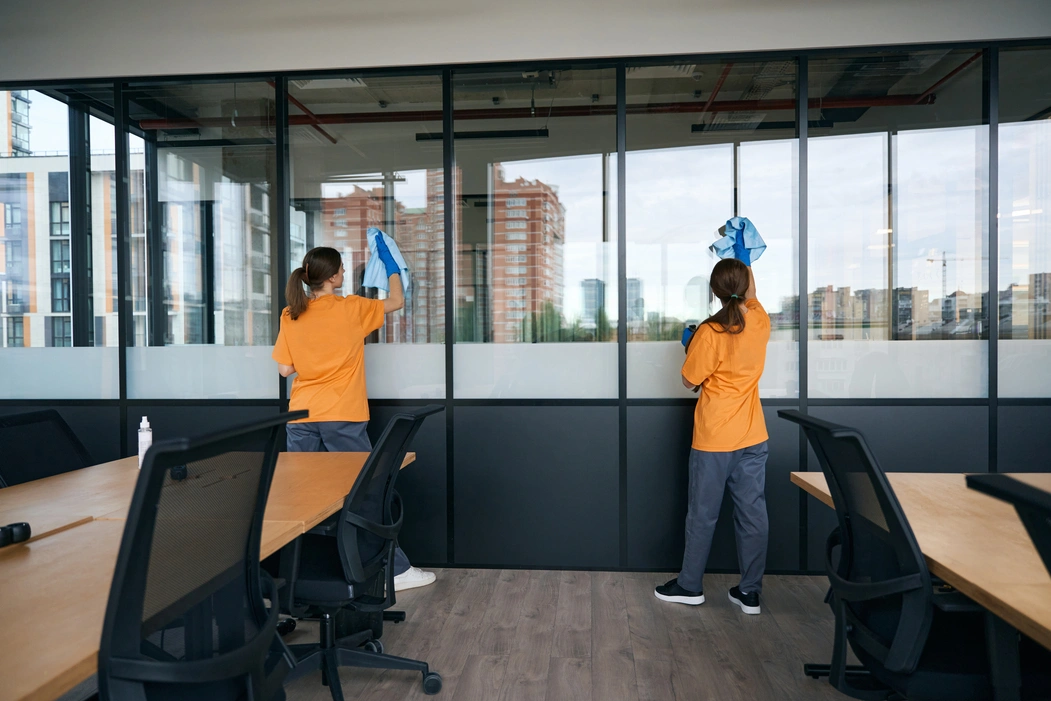
This includes deeper workstation cleaning, glass and partition cleaning, detailed restroom scrubbing, and more thorough floor maintenance such as vacuuming carpets and mopping hard floors with proper solutions.
Kitchen appliances and shared equipment should also be cleaned more thoroughly on a weekly basis to prevent buildup and odors.
Monthly Cleaning Tasks
Monthly cleaning focuses on deep maintenance and long-term care of the workspace. These tasks often require more time and sometimes professional equipment.
Carpets should be deep cleaned to remove embedded dirt and allergens. Upholstered furniture should be vacuumed and sanitized. Air vents and HVAC systems should be cleaned to maintain proper airflow and indoor air quality.
Storage rooms and utility areas should also be organized and cleaned to prevent dust accumulation and clutter.
Quarterly Cleaning Tasks
Quarterly cleaning is more intensive and is designed to restore and refresh the entire workspace.
This includes floor polishing or waxing, exterior and high-rise window cleaning, deep carpet extraction, and detailed cleaning of less frequently accessed areas.
These tasks help maintain long-term appearance and prevent structural wear and tear.
Seasonal Cleaning Adjustments
Cleaning schedules should be adjusted based on seasonal changes. Different weather conditions affect how quickly dirt and debris accumulate.
For example, winter introduces salt and moisture buildup, while spring brings pollen and dust. Adjusting cleaning frequency during these periods ensures consistent cleanliness year-round.
High-Traffic Area Priority
Not all areas require the same level of attention. Entrances, hallways, elevators, and reception areas experience the highest foot traffic and should be prioritized in every cleaning cycle.
These areas create the first impression for visitors and must always remain clean and well-maintained.
Restroom Cleaning Schedule
Restrooms require the most consistent attention due to hygiene sensitivity. They should be cleaned multiple times daily depending on usage levels.
Daily tasks include sanitizing toilets, sinks, and floors, while weekly tasks involve deeper scrubbing of tiles and fixtures. Monthly maintenance ensures full disinfection and supply management.
Office Workstation Maintenance
Workstations should be cleaned daily at a basic level and deep cleaned weekly. This includes disinfecting keyboards, cleaning monitors, and organizing desk spaces.
Encouraging employees to maintain their own desks helps support the overall cleaning schedule and reduces workload on cleaning staff.
Kitchen and Breakroom Schedule
Shared kitchen areas require strict scheduling due to food usage and hygiene risks. Daily cleaning prevents contamination, while weekly deep cleaning ensures appliances and surfaces remain safe and functional.
Monthly maintenance includes cleaning inside refrigerators, microwaves, and other shared equipment.
Floor Cleaning Schedule
Floor maintenance depends on material type and traffic levels. Daily sweeping or vacuuming prevents surface dirt buildup, while weekly mopping keeps floors clean and safe.
Monthly or quarterly polishing, waxing, or carpet cleaning ensures long-term durability and appearance.
Window Cleaning Schedule
Window cleaning frequency depends on building location and exposure. Most commercial properties require cleaning every 4 to 8 weeks.
High-traffic retail spaces may require more frequent cleaning, while office buildings can follow a slightly longer cycle depending on environmental conditions.
Role of Professional Cleaning Services
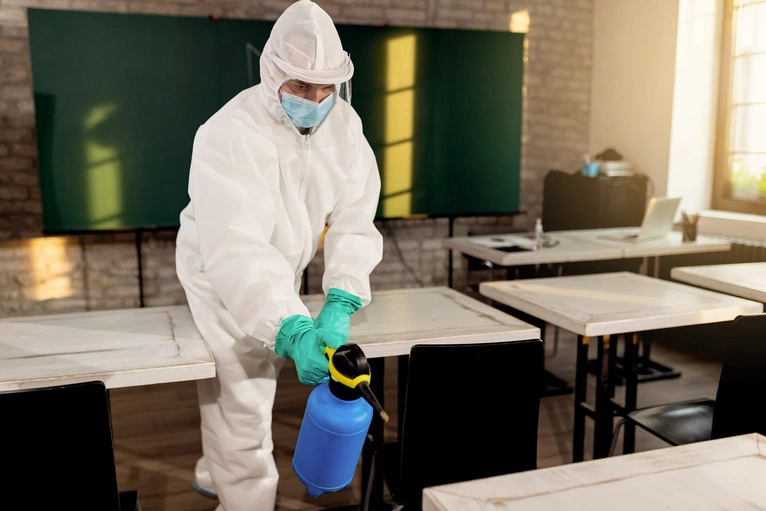
Professional cleaning services are essential for executing deep cleaning tasks within the schedule. They handle specialized work such as carpet extraction, floor restoration, and high-rise window cleaning.
This ensures consistency, safety, and higher quality results that complement daily in-house cleaning efforts.
Conclusion
A commercial cleaning schedule is not just a routine—it is a structured system that keeps workplaces clean, safe, and efficient. By dividing tasks into daily, weekly, monthly, and quarterly cycles, businesses can maintain consistent hygiene without unnecessary effort.
When followed properly, a cleaning schedule improves workplace appearance, extends asset life, and creates a healthier environment for employees and visitors.