


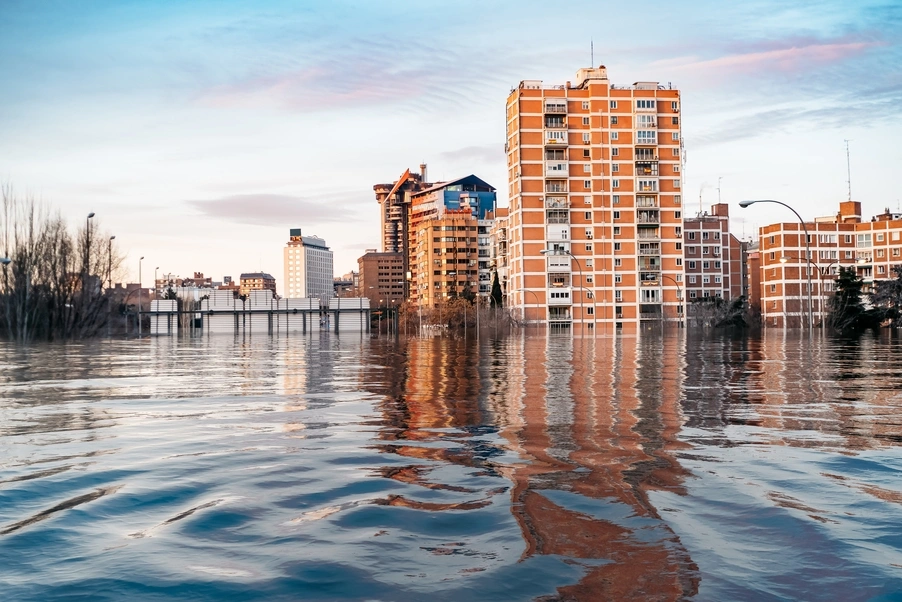
Flood and disaster cleaning is a critical emergency service that focuses on restoring properties after water damage, storms, fire-related incidents, or other unexpected disasters. In commercial environments, quick response is essential because delays can lead to structural damage, mold growth, and operational shutdowns.
Whether it is an office building, retail space, industrial facility, or healthcare center, disaster cleaning ensures that the space is made safe, dry, and functional as quickly as possible.
Understanding Flood and Disaster Cleaning
Flood and disaster cleaning involves more than just removing visible water or debris. It includes water extraction, drying, sanitization, odor removal, and damage control.
The goal is to prevent long-term structural issues while restoring the property to a usable condition in the shortest possible time.
Immediate Response After a Disaster
The first few hours after a flood or disaster are critical. Water spreads quickly and can damage flooring, walls, furniture, and electrical systems.
Emergency cleaning teams prioritize rapid response to contain damage, stop further water intrusion, and begin extraction immediately.
Water Extraction Process
The initial step in flood cleaning is removing standing water using industrial pumps and vacuum extraction systems.
This step helps reduce moisture levels quickly and prevents water from seeping deeper into structural materials such as carpets, drywall, and wooden flooring.
Moisture Detection and Assessment
After visible water is removed, professionals use moisture detection tools to identify hidden damp areas.
Water can remain trapped inside walls, floors, and ceilings, which can lead to mold growth if not properly addressed.
Drying and Dehumidification
Specialized drying equipment such as air movers and dehumidifiers is used to eliminate remaining moisture.
This process is essential for restoring normal humidity levels and preventing secondary damage caused by lingering dampness.
Cleaning and Sanitization
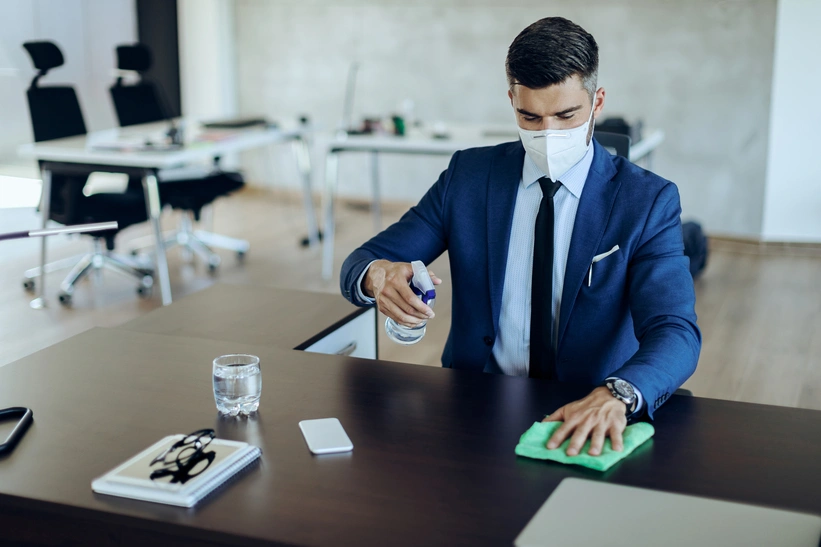
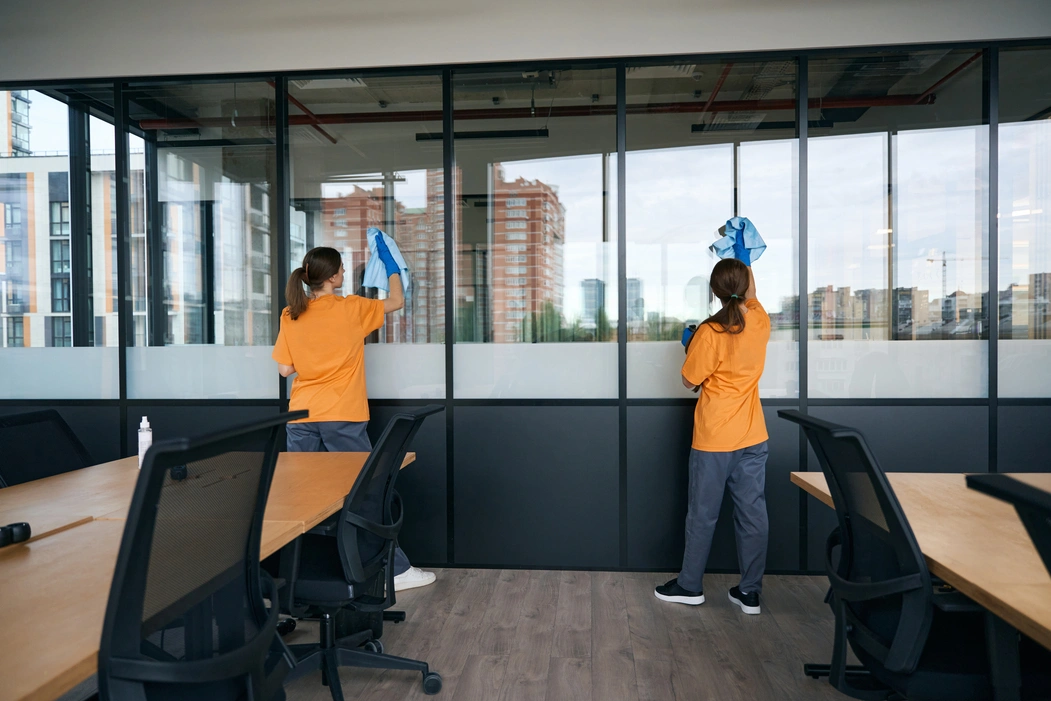
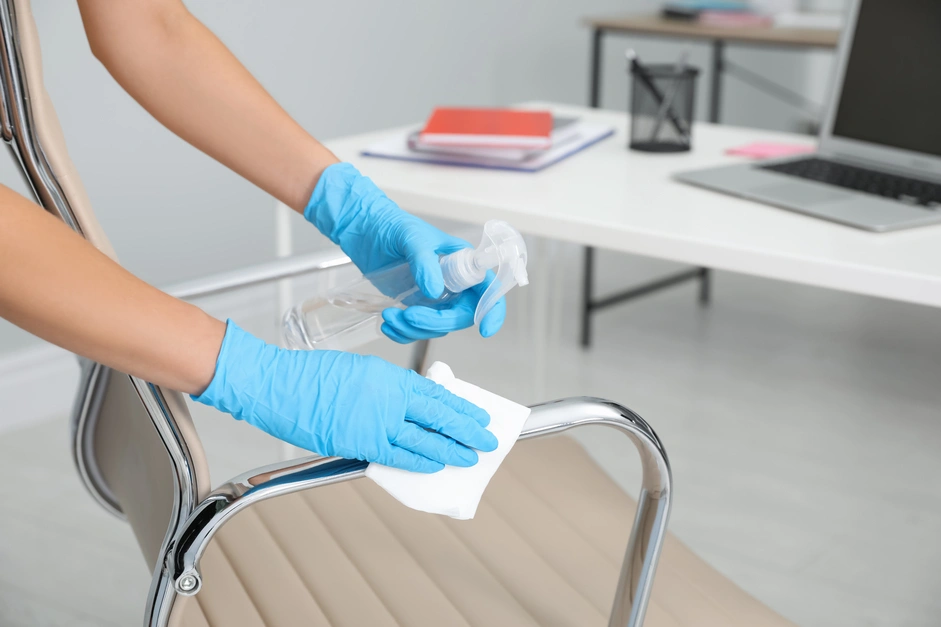
Floodwater often contains contaminants, bacteria, and debris. After drying, all affected surfaces must be thoroughly cleaned and disinfected.
This ensures the environment is safe for occupants and reduces the risk of health hazards caused by contamination.
Odor Removal and Air Quality Control
Disasters often leave behind strong odors caused by moisture, mold, or smoke residue. Professional cleaning teams use deodorizing treatments and air purification systems to restore indoor air quality.
This step is important for making the environment comfortable and safe for reoccupation.
Mold Prevention and Treatment
Mold can begin developing within 24 to 48 hours after water exposure. Disaster cleaning includes preventive treatments to stop mold growth before it spreads.
If mold is already present, specialized remediation techniques are used to remove it safely.
Damage Assessment and Reporting
After initial cleaning, a detailed assessment is conducted to evaluate structural and material damage.
This helps property owners understand the extent of loss and supports insurance claims or repair planning.
Restoration and Repair Preparation
Flood and disaster cleaning prepares the space for restoration work. This may include removing damaged materials such as carpets, drywall, or insulation.
Once the area is stabilized, repair teams can begin rebuilding or restoring affected sections.
Health and Safety Considerations
Safety is a major priority during disaster cleanup. Floodwater may contain harmful bacteria, chemicals, or sewage contamination.
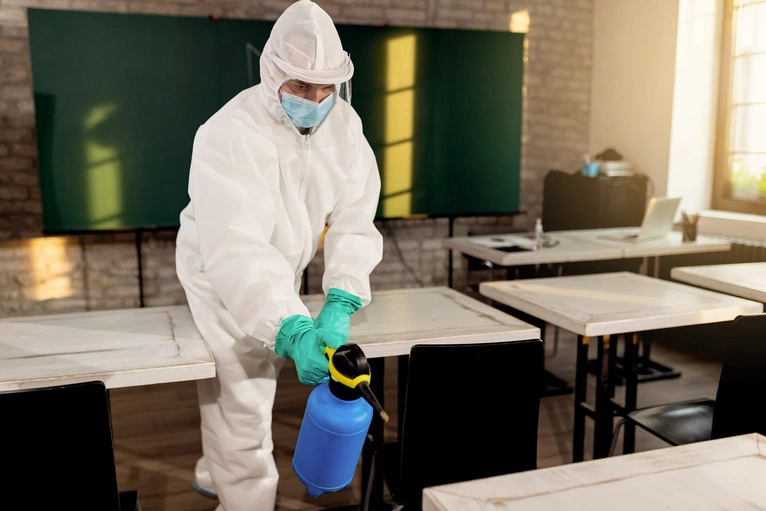
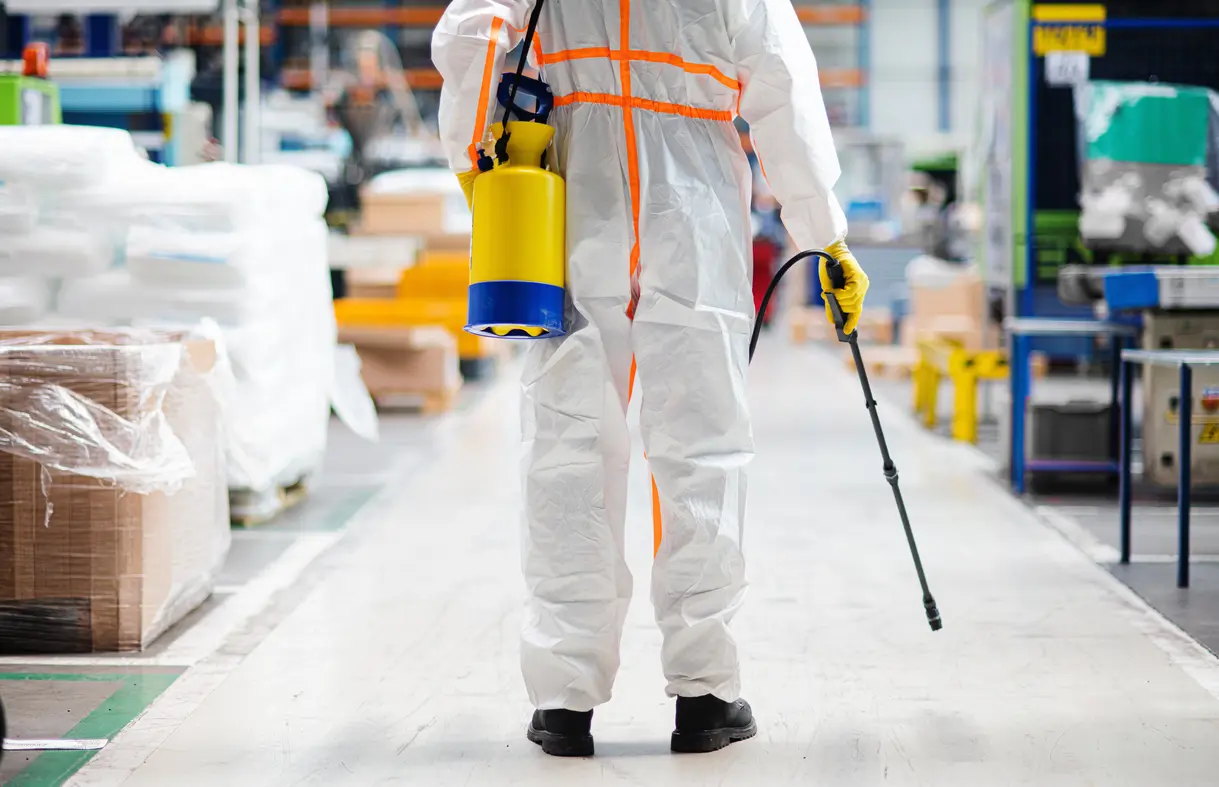
Cleaning professionals use protective equipment and follow strict safety protocols to prevent exposure risks.
Emergency Equipment Used
Disaster cleaning requires specialized equipment such as industrial pumps, wet vacuums, air movers, dehumidifiers, and sanitizing sprayers.
These tools are essential for handling large-scale water damage efficiently and safely.
Importance of Fast Action
Speed is one of the most important factors in disaster cleaning. The longer water remains in a building, the more damage it causes.
Quick intervention reduces repair costs, prevents mold growth, and speeds up recovery time for businesses.
Business Continuity After Disaster
For commercial properties, downtime can lead to financial losses. Disaster cleaning services help restore operations as quickly as possible.
In many cases, partial restoration allows businesses to resume limited operations while full repairs are completed.
Role of Professional Disaster Cleaning Services
Professional cleaning companies bring expertise, equipment, and structured processes to handle complex disaster situations.
Their experience ensures that cleanup is done safely, efficiently, and in compliance with industry standards.
Insurance and Documentation Support
Disaster cleaning often involves coordination with insurance providers. Proper documentation of damage, cleaning steps, and restoration work helps support claims.
This ensures property owners receive accurate compensation for losses.
Conclusion
Flood and disaster cleaning is essential for quickly restoring safety, hygiene, and functionality after unexpected events. It involves a structured process of water removal, drying, sanitization, and restoration preparation.
Fast and professional response not only reduces damage but also helps businesses and property owners recover efficiently with minimal disruption.