

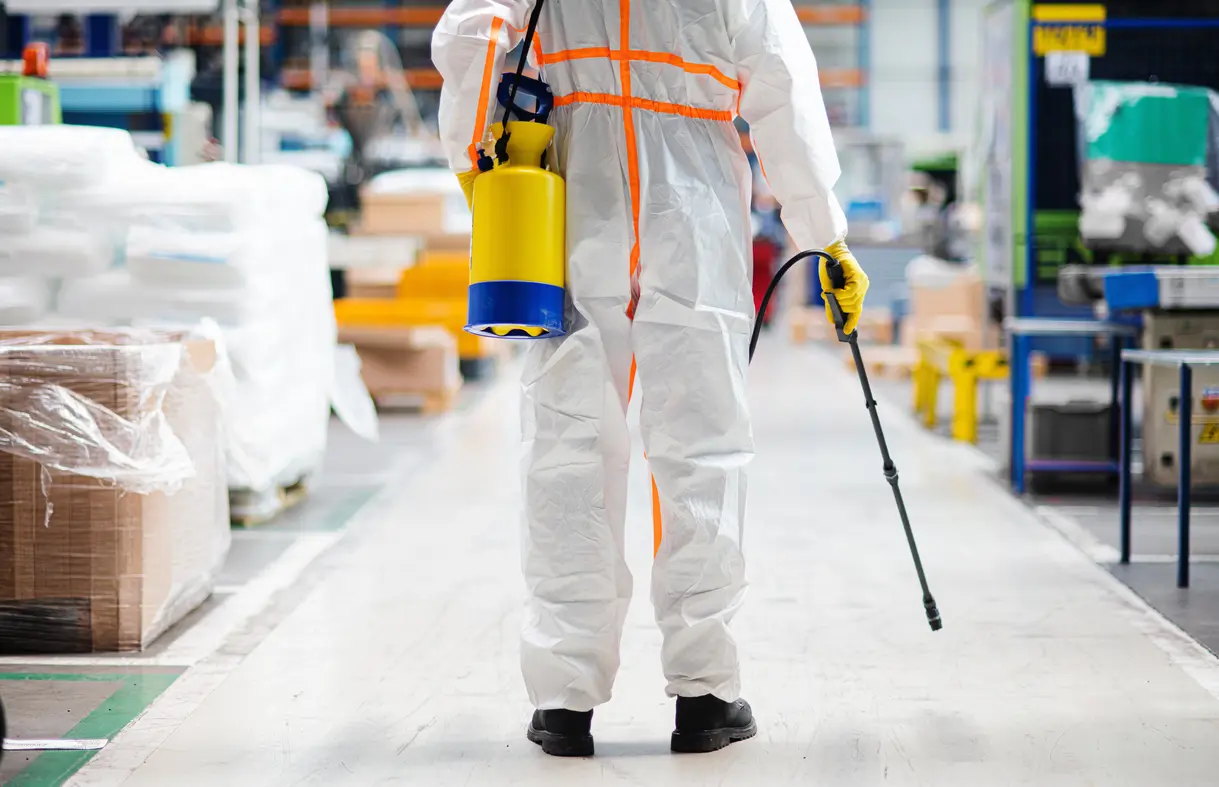

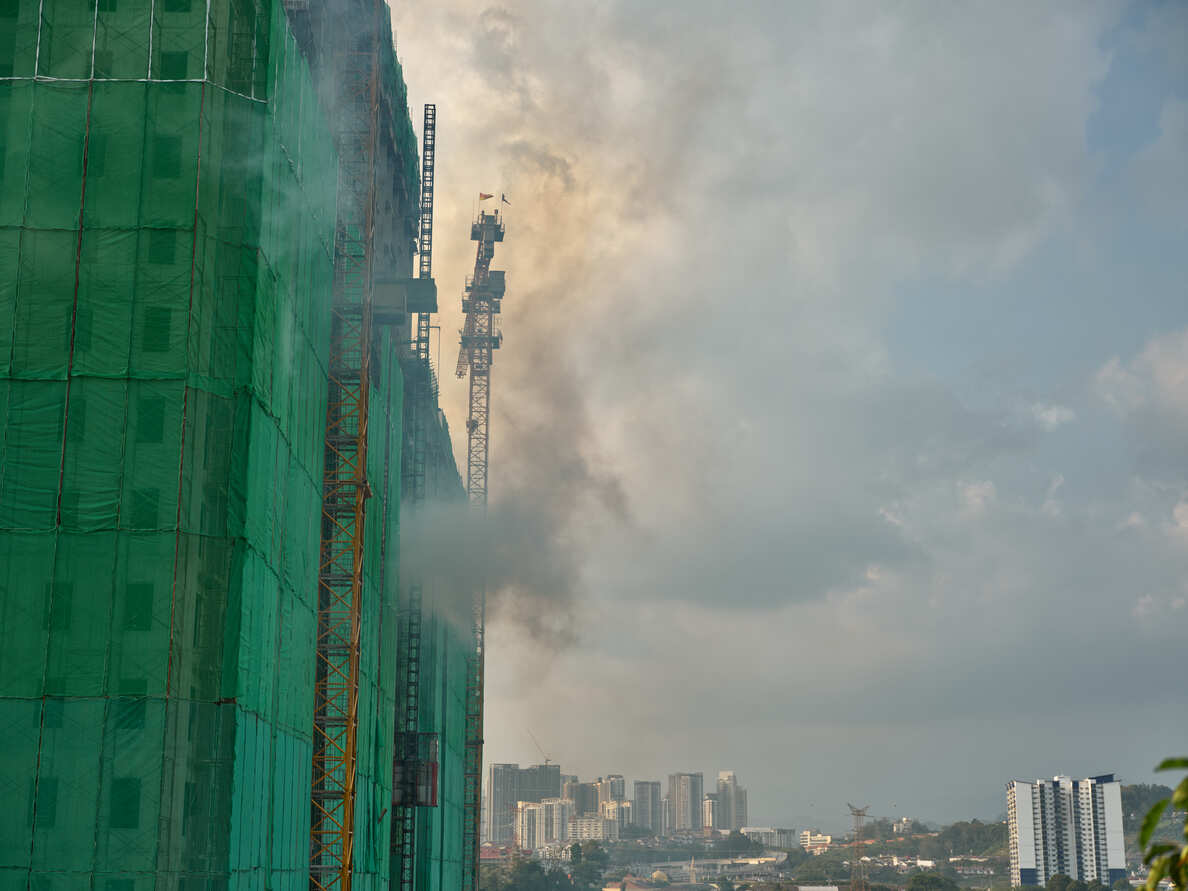
Air quality after construction or renovation is often overlooked, but it plays a critical role in the safety, comfort, and usability of any newly built or refurbished space. Even when a building looks clean on the surface, invisible particles such as dust, chemical fumes, and construction residue can remain suspended in the air for days or even weeks.
These airborne contaminants can affect health, reduce productivity, and create long-term maintenance issues if not properly managed after construction work is completed.
Why Air Quality Matters After Construction
Construction activities release fine dust particles, adhesives, paint fumes, and other airborne pollutants. These substances can linger inside enclosed spaces and circulate through ventilation systems.
Without proper air cleaning and ventilation, occupants may experience discomfort, allergies, or respiratory irritation when entering the building.
Health Risks of Poor Indoor Air Quality
One of the biggest concerns after construction is exposure to fine dust particles such as silica and drywall dust. These particles can enter the lungs and cause breathing issues, especially for sensitive individuals.
Long-term exposure to poor indoor air quality can lead to headaches, fatigue, eye irritation, and worsening of existing respiratory conditions such as asthma.
Impact of Construction Dust on Indoor Spaces
Even after visible cleaning, microscopic dust particles remain in the air and settle slowly over time. These particles can accumulate on furniture, electronics, and HVAC systems.
If not removed properly, dust can continuously recirculate in the environment, making the space feel unclean even after thorough cleaning.
Role of Ventilation Systems
HVAC systems play a major role in controlling indoor air quality after construction. If ventilation systems are not cleaned, they can trap and redistribute dust throughout the building.
Proper cleaning and maintenance of air ducts and filters help reduce airborne contamination and improve airflow efficiency.
Use of Air Purification Systems
Air purifiers are highly effective in removing fine particles from indoor environments. HEPA-based systems capture microscopic dust, allergens, and chemical residues.
These systems are especially useful in offices, hospitals, and commercial spaces where clean air is essential for daily operations.
Importance of Post-Construction Cleaning
Post-construction cleaning is not complete without addressing air quality. Surface cleaning alone is not enough because airborne particles continue to affect the environment.
Combining deep cleaning with air filtration ensures a fully safe and usable space after construction work.
Effect on Employee Productivity
In commercial environments, poor air quality can directly impact employee performance. Discomfort caused by dust or odors can reduce concentration and productivity.
Clean air helps create a healthier workplace, improving focus, energy levels, and overall well-being.
Odors and Chemical Residue
Newly constructed or renovated spaces often contain odors from paint, adhesives, and building materials. These fumes can linger and affect indoor comfort.
Proper ventilation and air purification help eliminate these odors and create a more pleasant indoor environment.
Prevention of Long-Term Damage
Airborne dust does not only affect health—it can also damage equipment and surfaces over time. Dust accumulation in electronics, machinery, and HVAC systems can reduce efficiency and lifespan.
Maintaining good air quality helps protect building assets and reduces long-term maintenance costs.
Role of Humidity Control
Humidity levels also affect air quality after construction. High humidity can trap dust and encourage mold growth, while low humidity can increase airborne particle movement.
Balanced humidity levels help stabilize indoor air conditions and improve overall comfort.
Importance of Professional Air Cleaning
Professional cleaning services use advanced equipment such as HEPA vacuums, air scrubbers, and industrial filtration systems to improve air quality after construction.
These tools are designed to capture fine particles that standard cleaning methods cannot remove effectively.
Safety in Commercial Environments
In offices, hospitals, and retail spaces, maintaining clean air is not optional—it is a safety requirement. Poor air quality can affect both employees and customers, leading to discomfort or health complaints.
Ensuring proper air quality helps businesses meet health standards and maintain a safe environment.
Long-Term Benefits of Clean Air
Good air quality after construction leads to long-term benefits such as reduced illness, better indoor comfort, and improved building performance.
It also enhances the overall perception of the space, making it more welcoming and professional.
Conclusion
Air quality after construction is a critical factor in determining how safe, comfortable, and functional a new or renovated space will be. While surface cleaning removes visible dust, proper air management ensures hidden particles and contaminants are also eliminated.
By focusing on ventilation, filtration, and professional cleaning methods, businesses and property owners can create healthier indoor environments that support long-term use and productivity.