

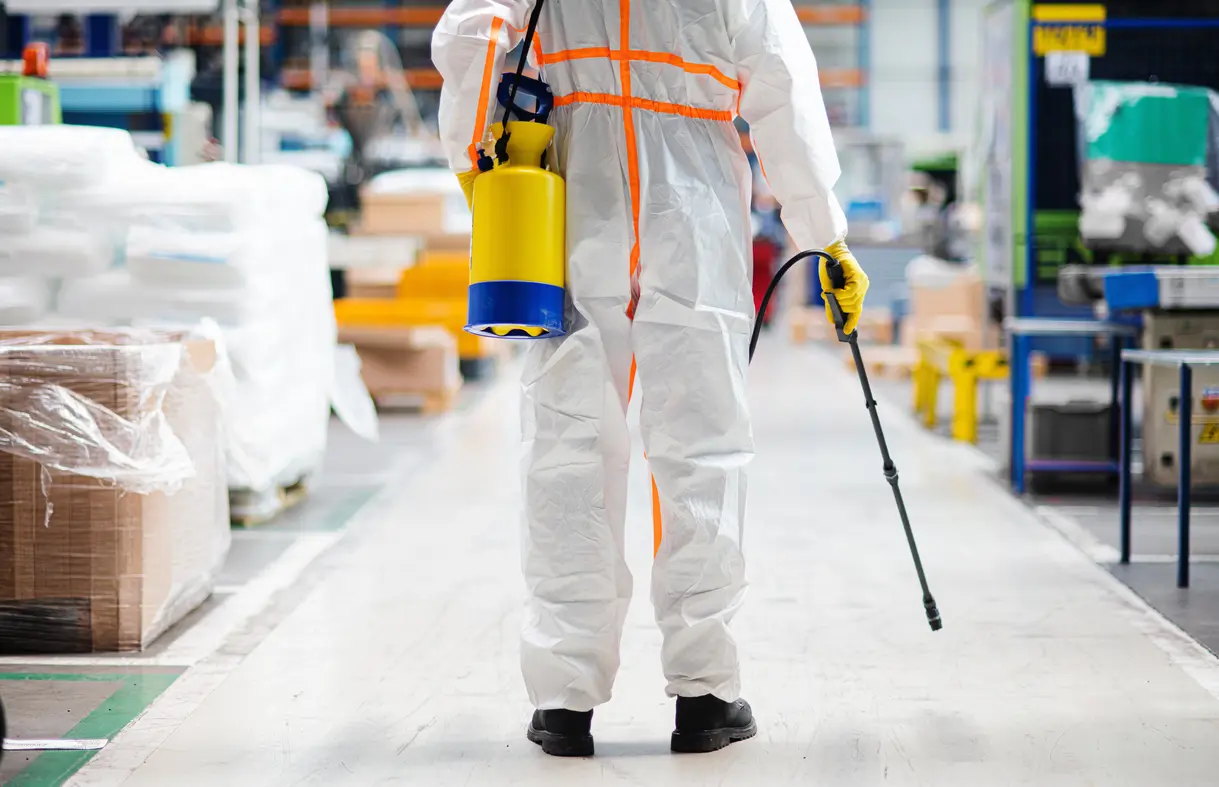

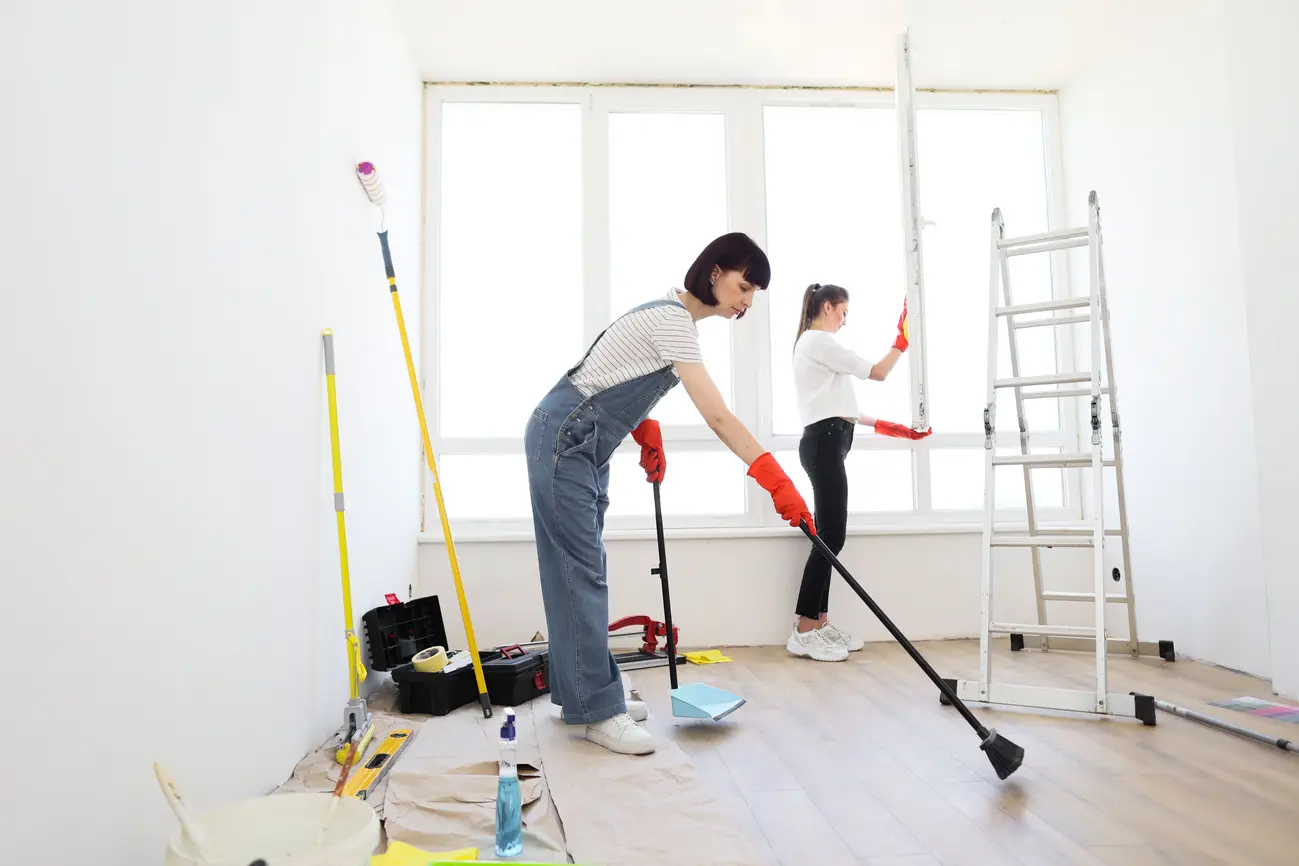
Deep cleaning after renovation is a detailed cleaning process that removes construction dust, debris, adhesives, paint splashes, and fine particles left behind after remodeling work. Even when a renovation looks complete, the space is often not ready for use until a thorough deep cleaning is performed.
This type of cleaning is essential for making homes, offices, and commercial spaces safe, hygienic, and visually presentable after construction activities.
1. Initial Inspection of the Renovated Space
The process begins with a full inspection of the renovated area. Cleaning teams assess the level of dust, type of residue, and areas that require special attention.
This helps in planning the cleaning workflow and identifying high-priority zones such as floors, vents, and high-touch surfaces.
2. Removal of Construction Debris
The first physical step is removing leftover construction materials such as wood scraps, packaging, nails, plastic coverings, and broken fixtures.
Clearing large debris creates a safe working environment and allows detailed cleaning to begin effectively.
3. Dust Control and Dry Cleaning
Renovation work produces extremely fine dust that spreads throughout the space. Dry cleaning methods such as sweeping and vacuuming are used to remove this layer of dust.
HEPA-filter vacuums are especially effective because they trap microscopic particles instead of releasing them back into the air.
4. Ceiling and Wall Cleaning
Dust often settles on ceilings, walls, and upper surfaces during renovation. These areas are carefully cleaned using microfiber tools and extendable equipment.
This step ensures that dust does not continue to fall onto already cleaned surfaces.
5. Floor Deep Cleaning
Floors are one of the most affected areas after renovation. Depending on the material, different cleaning methods are used such as scrubbing, mopping, or vacuum extraction.
Carpets may require deep steam cleaning to remove embedded dust and construction residue.
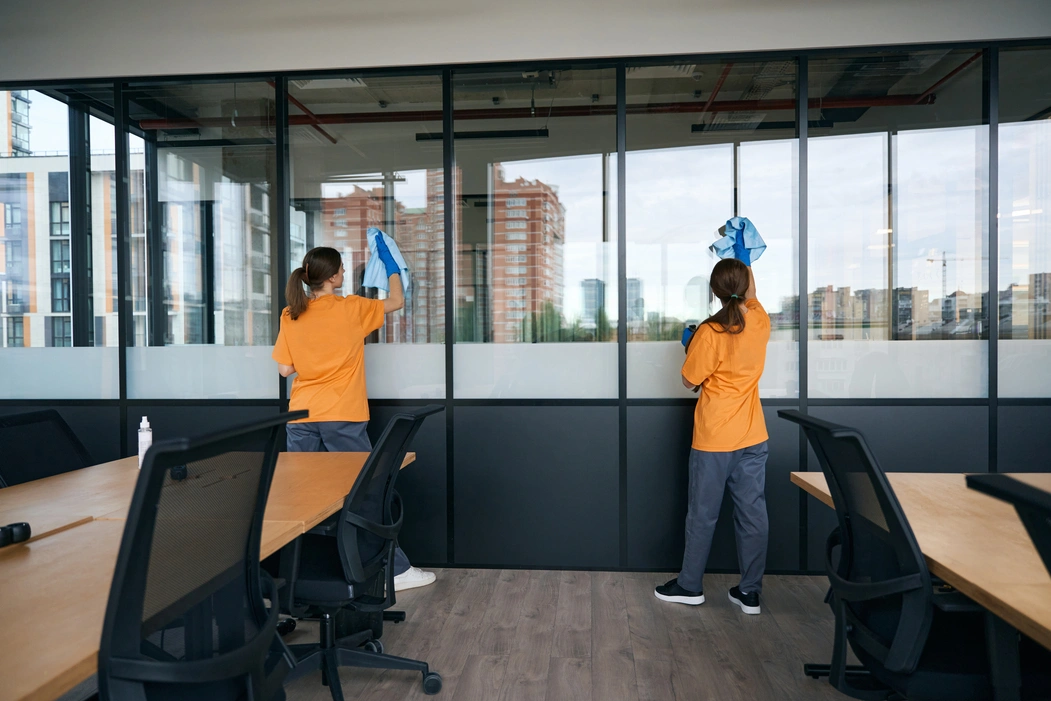
6. Window and Glass Restoration
Windows and glass surfaces are cleaned to remove paint spots, adhesive marks, dust layers, and smudges.
Specialized cleaning solutions are used to restore clarity without damaging the surface.
7. Removal of Paint and Adhesive Residue
Renovation work often leaves behind paint drops, glue, and tape residue. These are carefully removed using safe solvents and scraping tools.
The goal is to clean without scratching or damaging newly finished surfaces.
8. Cleaning Fixtures and Fittings
All fixtures such as switches, handles, shelves, cabinets, and lighting fixtures are cleaned in detail.
These areas often collect dust during renovation and require careful wiping and sanitization.
9. Ventilation and Air Duct Cleaning
Air ducts and ventilation systems are checked and cleaned to remove dust that may have entered during construction.
This improves indoor air quality and prevents dust from circulating throughout the space.
10. Kitchen and Bathroom Deep Cleaning
Bathrooms and kitchens require intensive cleaning and sanitization after renovation. Surfaces, sinks, toilets, tiles, and countertops are thoroughly cleaned.
This ensures hygiene standards are met before the space is used.
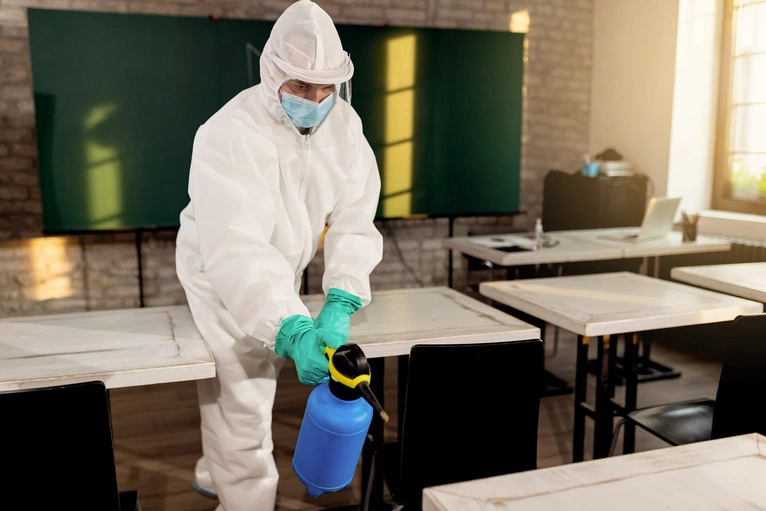
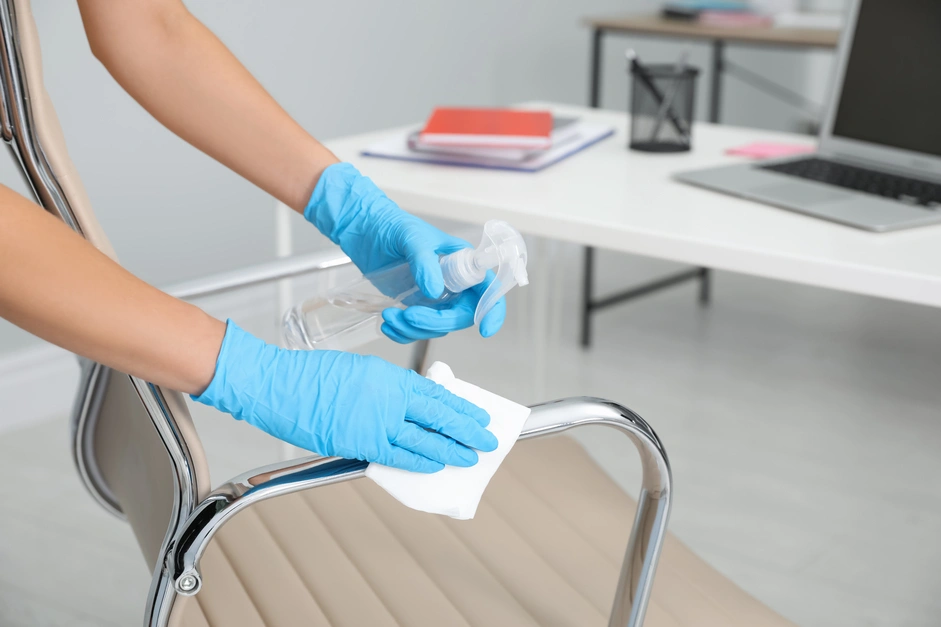
11. Sanitization of High-Touch Areas
High-touch surfaces such as door handles, switches, and railings are disinfected to remove germs and bacteria.
This step is especially important in commercial spaces where multiple people will use the facility.
12. Air Quality Improvement
After cleaning, air quality is improved through ventilation and air purification systems. Fine dust particles that remain in the air are filtered out.
This helps create a healthier and more comfortable indoor environment.
13. Final Detailing Work
Detailing ensures that no dust or residue is left behind. Corners, edges, baseboards, and hidden areas are carefully inspected and cleaned.
This final step ensures a polished and professional finish.
Importance of Deep Cleaning After Renovation
Deep cleaning is essential because renovation work leaves behind hidden dust and contaminants that are not visible during construction cleanup. Without proper cleaning, these particles can affect air quality and long-term hygiene.
It also ensures that the space looks fully finished and ready for immediate use.
Conclusion
Deep cleaning after renovation is a structured and detailed process that transforms a construction site into a clean, safe, and usable environment. It involves dust removal, surface cleaning, sanitization, and air quality improvement.
Professional cleaning ensures that every corner is addressed, making the space fully ready for occupancy and daily operations.