

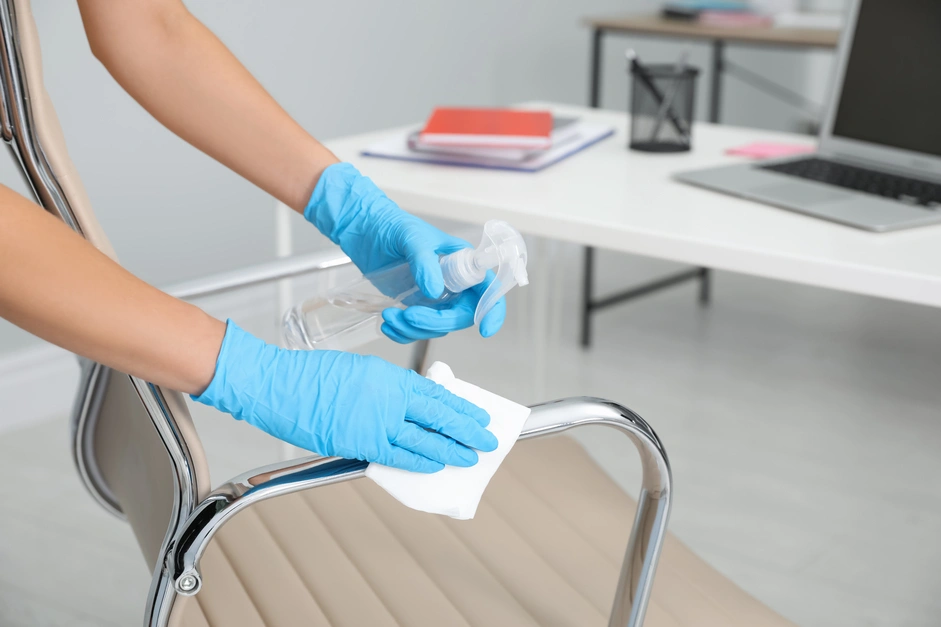
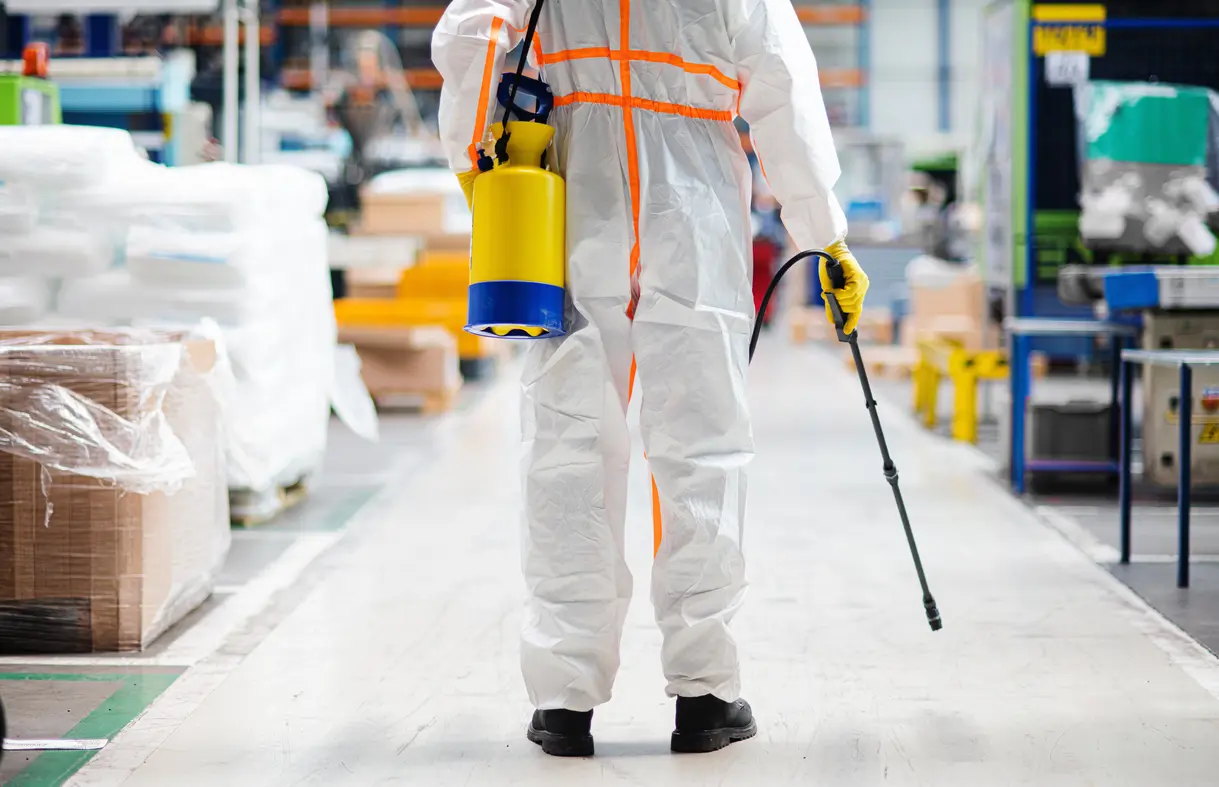

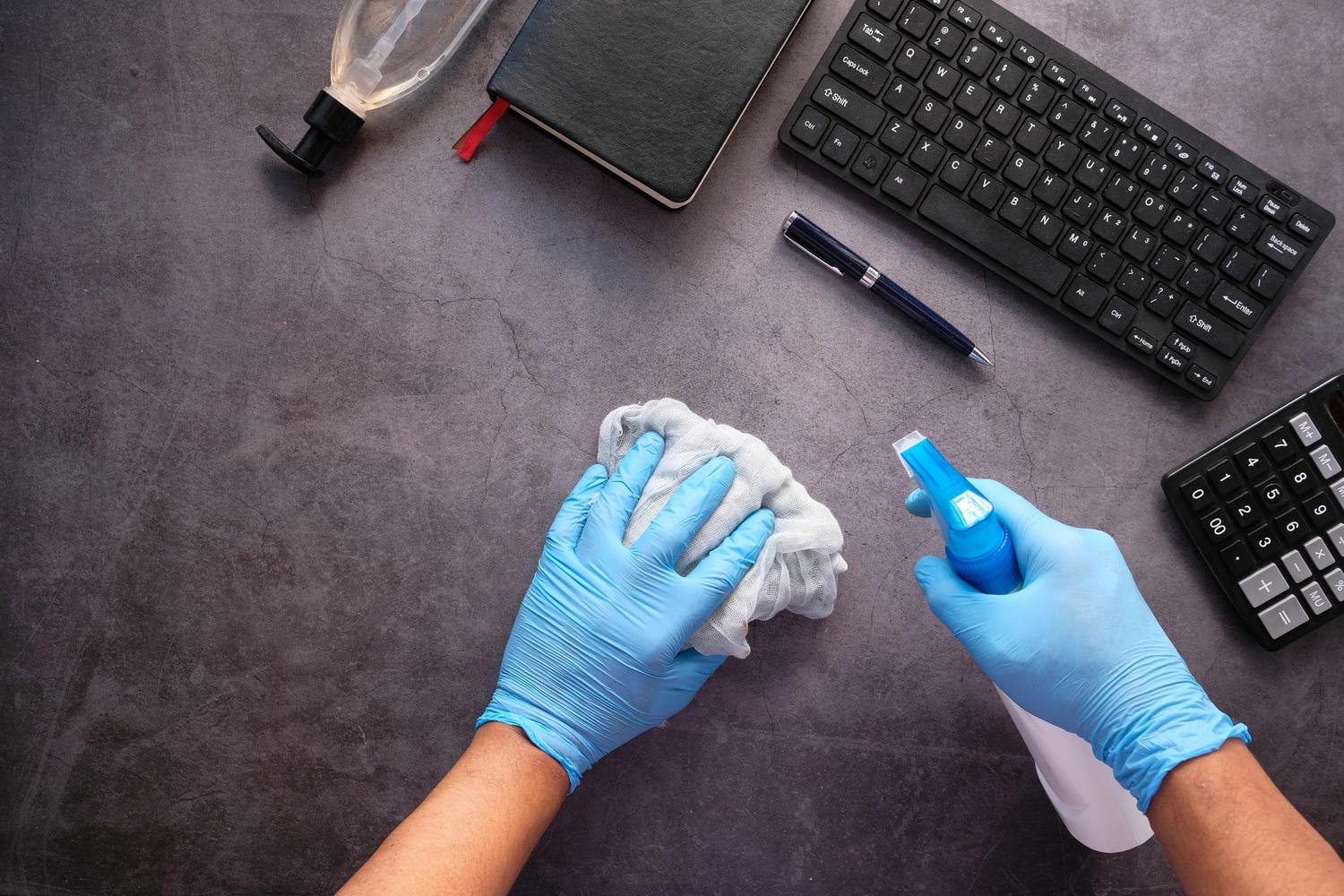
Disinfection has become a core part of workplace maintenance, going beyond basic cleaning to ensure a safe and healthy environment. While cleaning removes visible dirt and dust, disinfection targets harmful microorganisms such as bacteria and viruses that are not visible to the naked eye. In modern workplaces, especially in busy commercial settings, maintaining proper disinfection practices is essential for employee well-being and business continuity.
In cities with high population density and shared workspaces, maintaining hygiene standards is no longer optional—it is a necessity. Regular disinfection helps reduce health risks, improve productivity, and build trust among employees and visitors.
Difference Between Cleaning and Disinfection
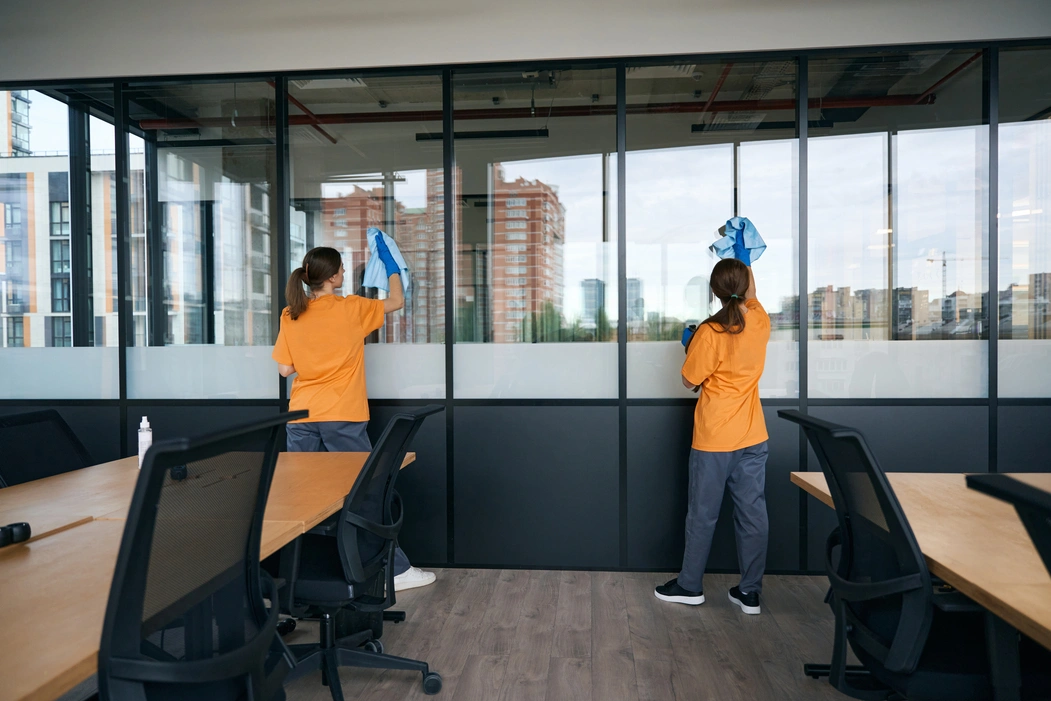
Cleaning and disinfection are often used interchangeably, but they serve different purposes. Cleaning involves removing dirt, dust, and debris from surfaces.
Disinfection, on the other hand, involves using specific agents to kill or deactivate harmful microorganisms. Both processes are important, but disinfection provides an additional layer of protection against illness.
Reducing Spread of Germs and Viruses
Workplaces are shared environments where employees interact with common surfaces such as desks, door handles, keyboards, and equipment.
Without proper disinfection, these surfaces can become hotspots for germs. Regular disinfection reduces the spread of bacteria and viruses, lowering the risk of illness among employees.
Improving Employee Health
A clean and disinfected workplace directly impacts employee health. Reduced exposure to harmful microorganisms leads to fewer infections, allergies, and respiratory issues.
Healthier employees are more productive, take fewer sick days, and contribute to a more stable work environment.
Boosting Workplace Productivity
When employees feel safe in their environment, they can focus better on their work. A hygienic workplace reduces distractions caused by illness and discomfort.
Regular disinfection creates a healthier atmosphere that supports efficiency and overall productivity.
Enhancing Professional Image
Cleanliness and hygiene play a major role in how a business is perceived. Visitors, clients, and partners notice the condition of the workspace.
A properly disinfected environment reflects professionalism, attention to detail, and a commitment to health and safety.
High-Touch Surface Disinfection
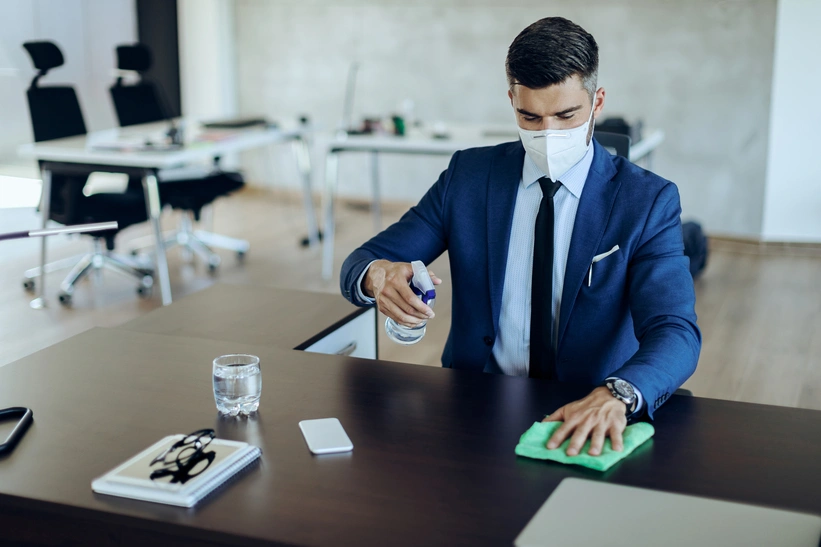
High-touch areas require frequent attention as they are the most likely points for germ transmission. These include door handles, switches, shared devices, elevator buttons, and reception areas.
Regular disinfection of these surfaces significantly reduces the risk of contamination.
Role in Preventing Workplace Outbreaks
Infections can spread quickly in enclosed office environments if proper hygiene measures are not in place.
Consistent disinfection helps prevent outbreaks by controlling the spread of germs at the source. This is especially important during seasonal illness periods.
Maintaining Compliance with Health Standards
Many workplaces are required to follow hygiene and safety guidelines that include regular disinfection.
Maintaining proper disinfection practices helps businesses comply with regulations and avoid potential penalties or operational disruptions.
Improving Indoor Air Quality
Disinfection practices often include air quality management, such as cleaning air vents and reducing airborne contaminants.
This contributes to a healthier breathing environment, especially in offices with limited ventilation.
Protecting Shared Workspaces
Shared workspaces such as meeting rooms, break areas, and collaborative zones require consistent disinfection due to high usage.
Regular cleaning of these areas ensures that all employees can use shared facilities safely and comfortably.
Use of Proper Disinfectants
Using the right disinfectants is essential for effective results. Not all cleaning products are designed to kill harmful microorganisms.
Approved disinfectants should be used according to guidelines to ensure proper sanitation without damaging surfaces.
Frequency of Disinfection
The frequency of disinfection depends on the level of activity and foot traffic in the workplace. High-traffic areas may require multiple disinfection cycles throughout the day.
Regular scheduling ensures consistent hygiene without unnecessary repetition.
Role of Professional Cleaning Services
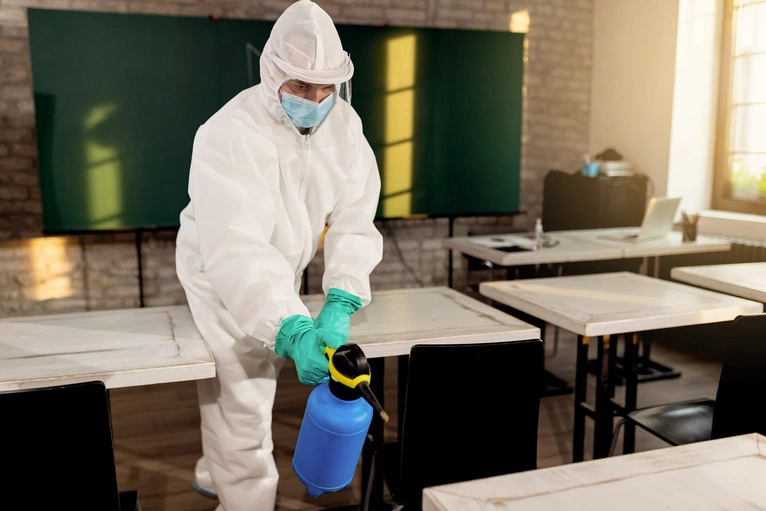
Professional cleaning companies provide specialized disinfection services using advanced tools and techniques. They ensure proper coverage, safe chemical use, and compliance with hygiene standards.
This is especially important for large offices, healthcare facilities, and high-traffic environments.
Long-Term Benefits of Disinfection
Consistent disinfection not only protects health but also maintains the overall condition of the workplace. It reduces contamination, preserves surfaces, and supports a cleaner environment over time.
This contributes to both employee satisfaction and long-term operational efficiency.
Conclusion
Disinfection is a critical component of workplace hygiene that goes beyond basic cleaning. It protects employee health, reduces the spread of illness, and enhances overall workplace safety.
By implementing regular disinfection practices, businesses can create a cleaner, healthier, and more productive environment for everyone.