


Disinfectants are essential in maintaining workplace hygiene, but improper use can create health risks instead of preventing them. In office environments where employees share desks, equipment, and enclosed spaces, safe handling of disinfectants is just as important as their effectiveness.
Understanding how to use disinfectants correctly helps businesses maintain a clean workspace while protecting employee health, improving air quality, and avoiding unnecessary chemical exposure.
Why Safe Use of Disinfectants Matters
Disinfectants contain active chemicals designed to kill bacteria and viruses. While effective, these chemicals can cause irritation, respiratory issues, or skin sensitivity if used incorrectly.
Safe usage ensures that cleaning remains effective without harming employees or damaging office surfaces.
Read Product Labels Carefully
Every disinfectant comes with specific instructions for use. These include dilution ratios, contact time, and safety precautions.
Following label instructions ensures the product works effectively and reduces the risk of overuse or chemical exposure.
Proper Ventilation During Use
Ventilation is critical when using disinfectants in enclosed office spaces. Open windows and doors where possible to allow fresh air circulation.
Good ventilation helps reduce the buildup of fumes and improves indoor air quality during and after cleaning.
Avoid Overuse of Chemicals
More disinfectant does not mean better cleaning. Overuse can leave behind chemical residues and increase exposure risks for employees.
Using the correct amount ensures effective disinfection while maintaining a safe environment.
Use Personal Protective Equipment (PPE)
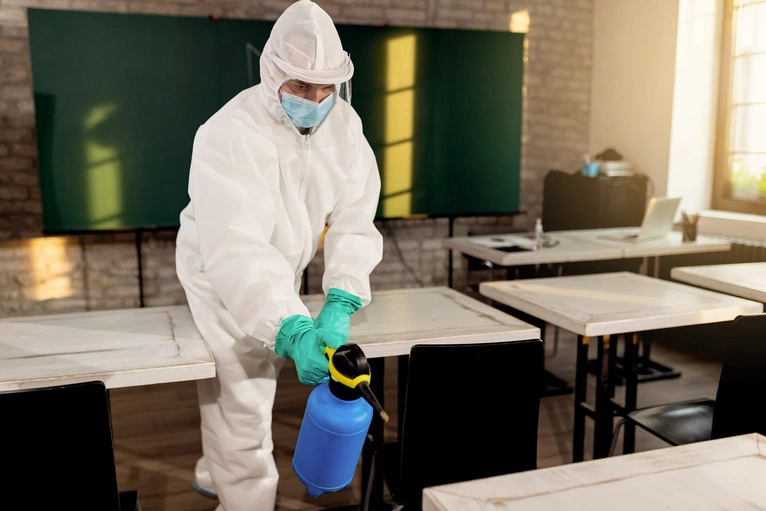
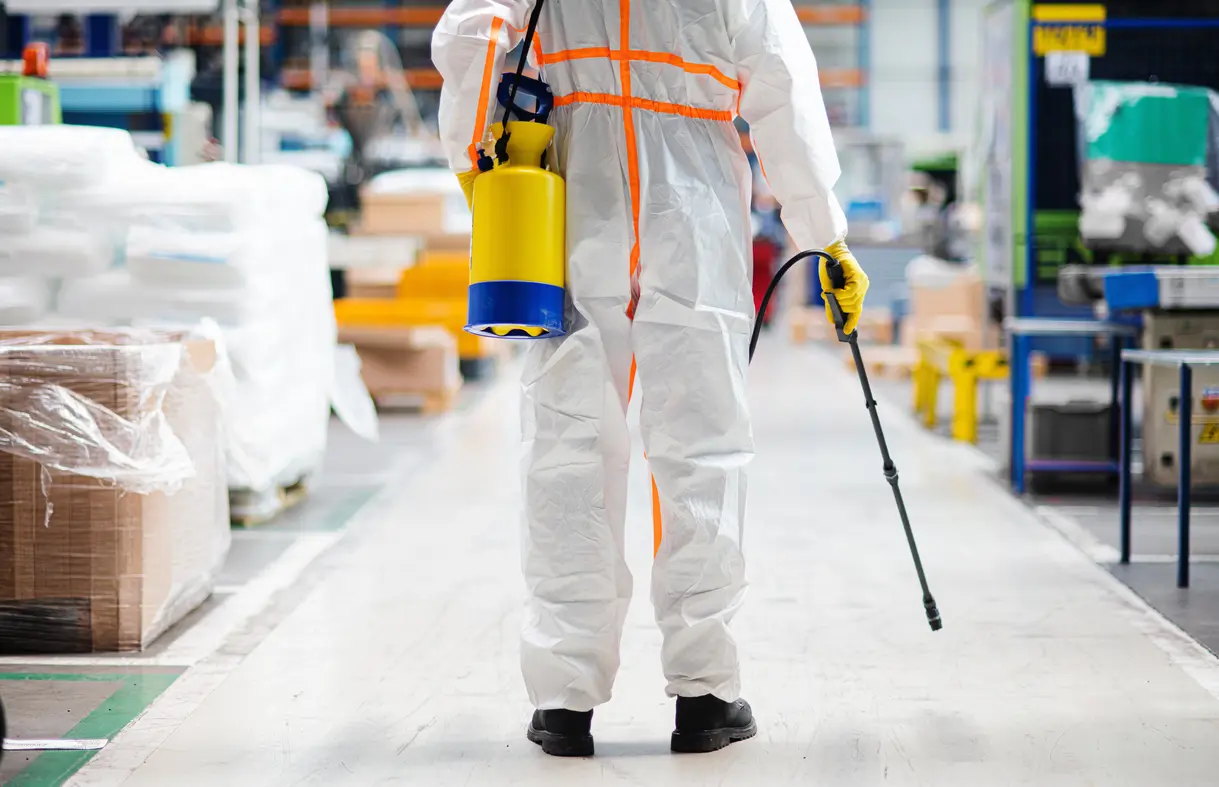
Cleaning staff should wear gloves, masks, and sometimes eye protection when handling disinfectants.
This reduces direct exposure to chemicals and prevents skin or respiratory irritation during cleaning tasks.
Never Mix Chemicals
Mixing different cleaning products can create dangerous chemical reactions. Some combinations may produce toxic fumes that are harmful to inhale.
Only use disinfectants as instructed and avoid combining them unless specifically recommended by the manufacturer.
Apply on Clean Surfaces First
Disinfectants work best on clean surfaces. Dirt, dust, and grease can reduce their effectiveness.
Always clean surfaces first to remove visible debris before applying disinfectant for proper germ control.
Respect Contact Time
Contact time refers to how long a disinfectant must remain on a surface to be effective.
Wiping it off too early can reduce its effectiveness, so it is important to follow recommended timing instructions carefully.
Use on High-Touch Areas
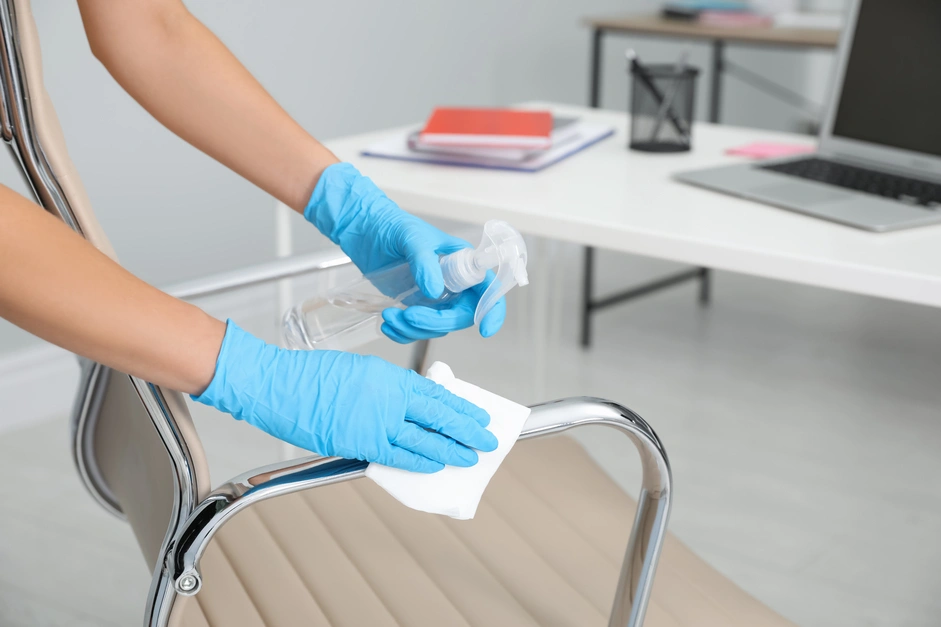
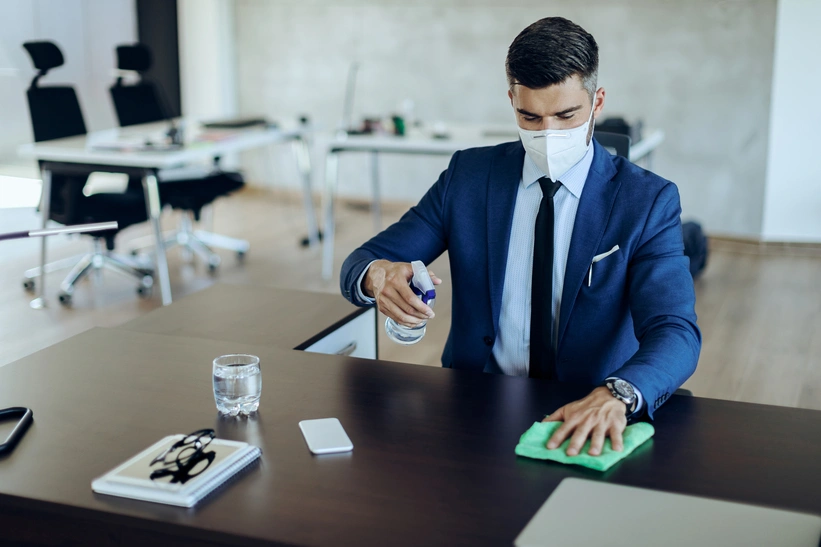
Focus disinfectant use on high-touch surfaces such as door handles, desks, keyboards, phones, and shared equipment.
These areas have the highest risk of contamination and require regular attention.
Store Disinfectants Safely
Disinfectants should be stored in a cool, dry place away from direct sunlight and out of reach of unauthorized personnel.
Proper storage prevents accidental spills, degradation of the product, and safety hazards in the workplace.
Train Cleaning Staff Properly
Proper training ensures that cleaning staff understand how to handle disinfectants safely and effectively.
Training should include correct usage, dilution methods, safety precautions, and emergency procedures.
Avoid Excessive Application on Electronics
Electronic devices such as computers and printers require special care. Excess liquid can damage internal components.
Use lightly dampened microfiber cloths instead of spraying directly onto devices.
Ensure Proper Dilution
Many disinfectants are concentrated and need to be diluted before use. Incorrect dilution can either reduce effectiveness or increase chemical risks.
Following manufacturer guidelines ensures safe and effective cleaning.
Rotate Cleaning Tools
Using the same cloth or mop for multiple areas can spread contaminants instead of removing them.
Regularly cleaning and rotating tools helps maintain hygiene and prevents cross-contamination.
Monitor Air Quality
Frequent use of chemical disinfectants can impact indoor air quality. Monitoring ventilation and reducing unnecessary chemical use helps maintain a healthier environment.
Eco-friendly alternatives can also be used in sensitive office spaces.
Conclusion
Safe use of disinfectants in offices is essential for maintaining both hygiene and employee well-being. When used correctly, disinfectants are highly effective in reducing germs and improving workplace safety.
By following proper guidelines, businesses can ensure a clean environment without compromising health or comfort.