

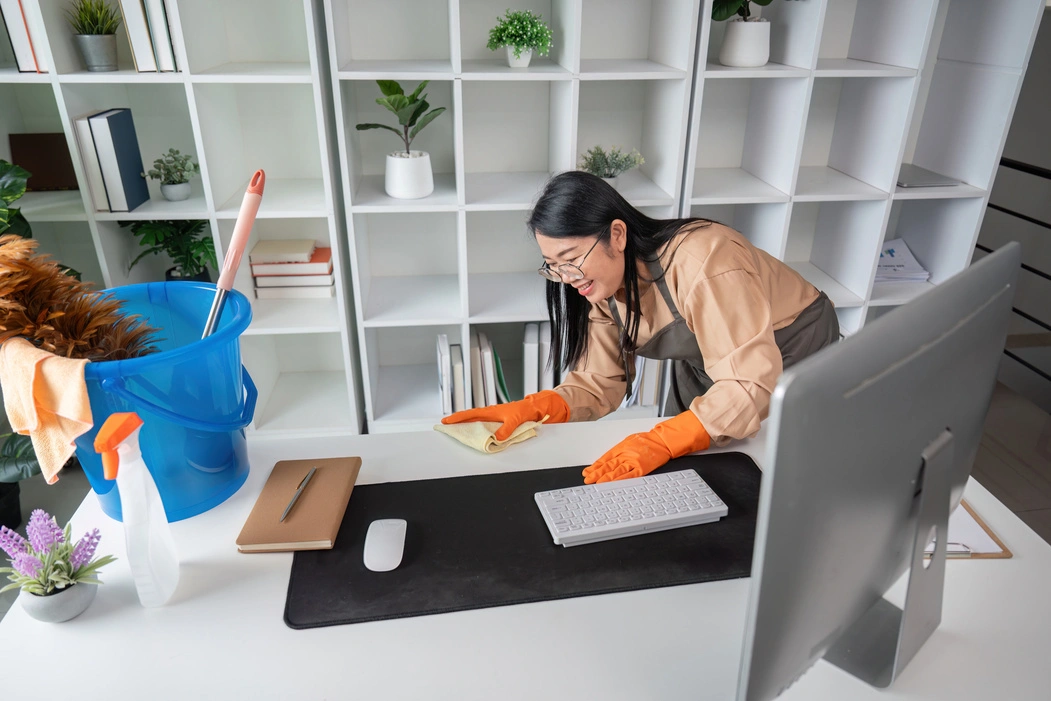
A well-maintained office is not the result of occasional deep cleaning—it comes from a structured, consistent cleaning system. A complete office cleaning checklist helps businesses stay organized, maintain hygiene standards, and ensure every area of the workspace is properly taken care of. In busy commercial environments like those in Chicago, where foot traffic and shared spaces are common, a checklist is essential for consistency and efficiency.
This checklist is designed to cover all key areas of an office, from daily tasks to periodic deep cleaning requirements. It helps reduce confusion among staff, improves accountability, and ensures nothing important is missed.
Daily Office Cleaning Tasks
Daily cleaning focuses on maintaining basic hygiene and keeping the office presentable throughout working hours. These tasks are essential for preventing dirt buildup and maintaining a professional environment.
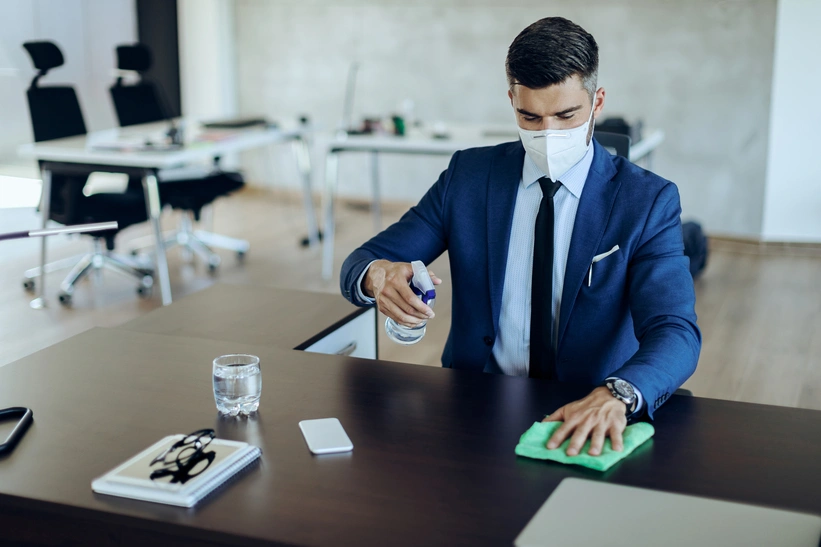
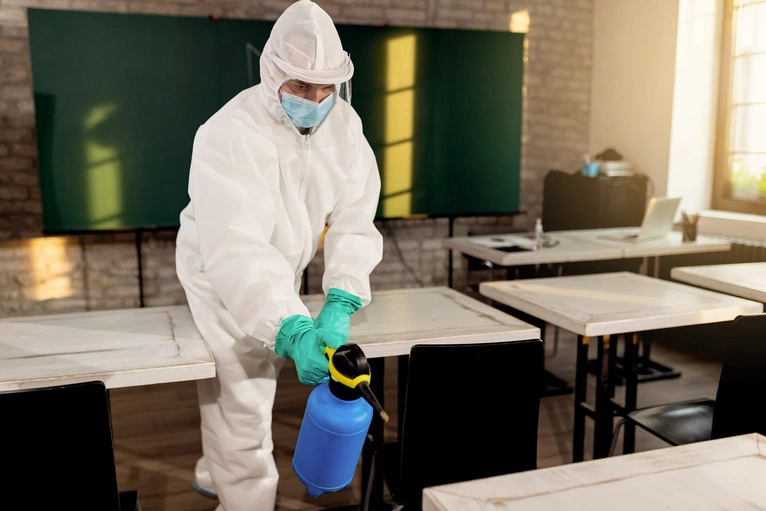
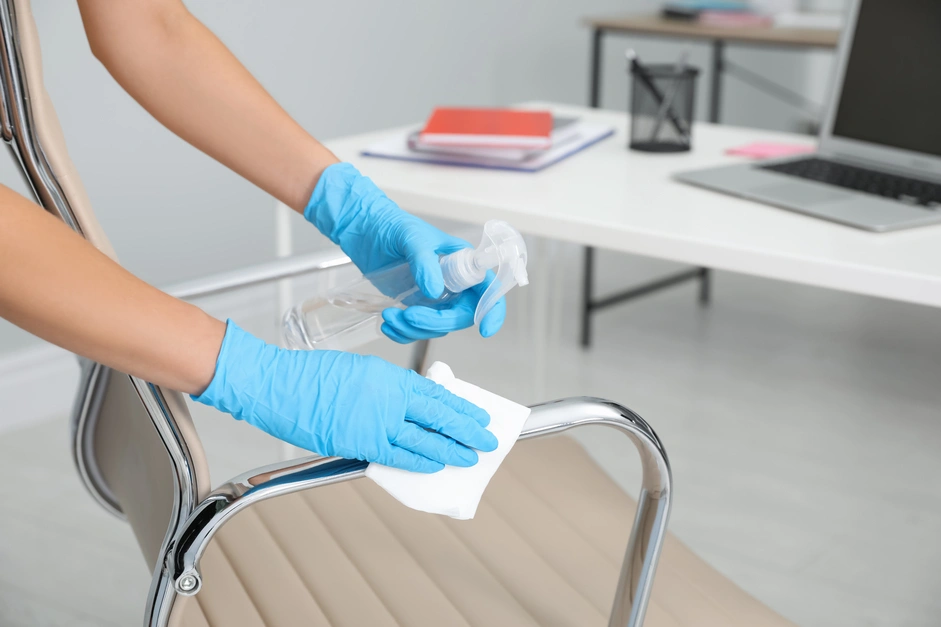
Desks should be wiped and organized at the start and end of the day. Trash bins should be emptied regularly to avoid odor and overflow. High-touch surfaces such as door handles, switches, and shared equipment should be disinfected daily to reduce the spread of germs.
Floors should be swept or vacuumed in high-traffic areas, and any spills must be cleaned immediately to avoid stains or slip hazards.
Weekly Office Cleaning Tasks
Weekly cleaning goes deeper than daily maintenance and targets areas that accumulate dust and dirt over time.
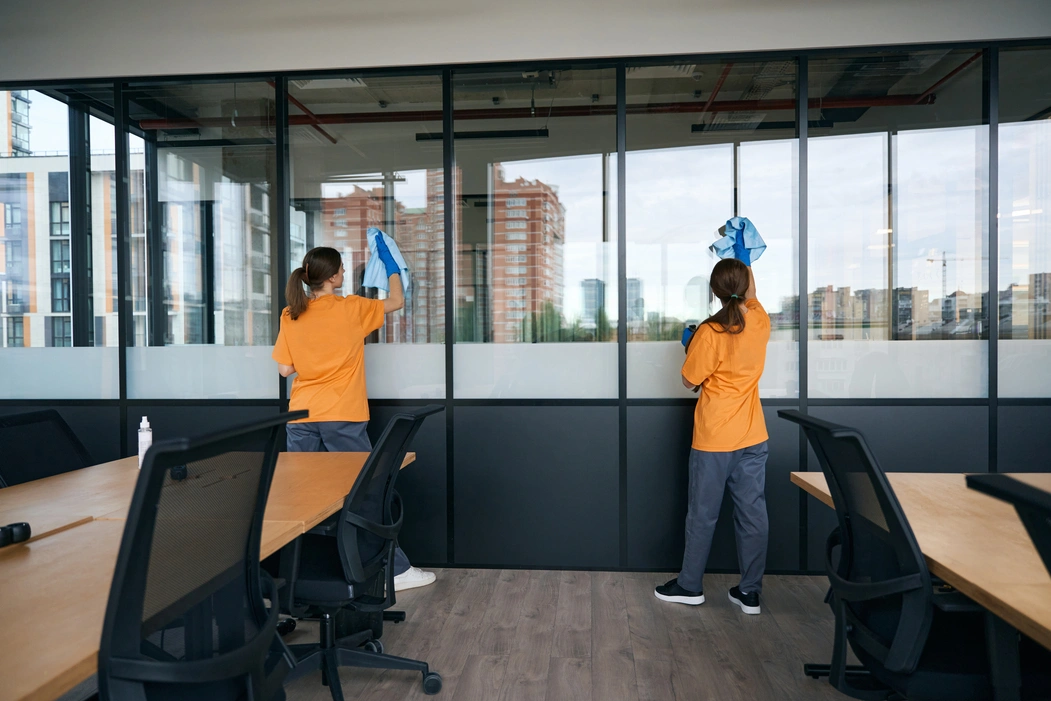
Workstations should be thoroughly cleaned, including keyboards, monitors, and office equipment. Glass surfaces such as windows and partitions should be wiped to remove smudges and fingerprints.
Kitchen areas require deep cleaning once a week, including appliances like microwaves, refrigerators, and coffee machines. Restrooms should also receive more detailed cleaning to maintain hygiene standards.
Monthly Office Cleaning Tasks
Monthly cleaning focuses on less frequently maintained areas that still impact overall office cleanliness and hygiene.
Carpets should be deep cleaned to remove embedded dirt and allergens. Upholstered furniture such as chairs and sofas should be vacuumed and sanitized.
Air vents and HVAC systems should be checked and cleaned to ensure proper airflow and maintain indoor air quality. Light fixtures and ceiling corners should also be dusted to prevent buildup.
Quarterly Deep Cleaning Tasks
Quarterly cleaning is more intensive and focuses on restoring the office environment to a near-new condition.
Floors may require polishing or waxing depending on the material type. Windows should be professionally cleaned for streak-free clarity. Carpets and upholstery should undergo deep extraction cleaning to remove long-term buildup.
Storage areas and filing rooms should be reorganized and cleaned to remove dust and clutter.
Reception Area Cleaning
The reception area is the first point of contact for visitors and clients, making it one of the most important areas to maintain.
Furniture should be cleaned and arranged neatly. Reception desks should be kept dust-free and organized. Floors and glass doors should be cleaned regularly to maintain a strong first impression.
Workstation Cleaning Checklist
Individual workstations require daily attention to ensure hygiene and productivity.
Tasks include wiping desks, organizing paperwork, cleaning computer screens, and disinfecting keyboards and mice. Personal bins should be emptied regularly to avoid clutter.
Maintaining clean workstations helps reduce distractions and creates a more focused work environment.
Kitchen and Breakroom Checklist
Shared kitchen and break areas require strict hygiene control due to food handling and high usage.
Countertops should be cleaned daily, sinks should be sanitized, and appliances should be wiped regularly. Food waste should be disposed of properly, and refrigerators should be checked for expired items weekly.
Restroom Cleaning Checklist
Restrooms require consistent cleaning throughout the day due to heavy use and hygiene sensitivity.
Toilets, sinks, mirrors, and floors should be cleaned and disinfected daily. Supplies such as soap, tissue, and sanitizers must be restocked regularly.
A clean restroom significantly improves employee comfort and office reputation.
Floor Cleaning Checklist
Floors experience constant wear and require both daily and periodic maintenance.
Daily sweeping or vacuuming removes surface dirt, while mopping ensures cleanliness. Periodic deep cleaning, polishing, or carpet shampooing helps maintain long-term floor quality.
High-Touch Surface Checklist
High-touch surfaces are major points for germ transmission and require frequent cleaning.
This includes door handles, switches, elevator buttons, shared printers, and meeting room equipment. Regular disinfection reduces health risks and maintains workplace safety.
Meeting Room Cleaning Checklist
Meeting rooms should always be kept ready for professional use.
Tables should be wiped, chairs arranged properly, and presentation equipment checked. Whiteboards or screens should be cleaned after each use to ensure readiness for the next meeting.
Storage and Utility Areas
Storage rooms and utility spaces are often overlooked but can accumulate dust and clutter over time.
These areas should be cleaned and organized monthly to prevent disorganization and maintain overall office efficiency.
Benefits of Using a Cleaning Checklist
A structured checklist improves consistency, reduces missed tasks, and enhances accountability among staff. It ensures that every area of the office is maintained properly without confusion.
It also helps businesses manage cleaning schedules more efficiently and maintain a higher standard of workplace hygiene.
Role of Professional Cleaning Services
While internal checklists handle daily and weekly maintenance, professional cleaning services are essential for deep cleaning tasks such as carpet shampooing, floor polishing, and window cleaning.
Combining a structured checklist with professional support ensures a consistently clean, safe, and productive office environment.
Conclusion
A complete office cleaning checklist is a powerful tool for maintaining hygiene, organization, and professionalism in any workplace. It ensures that no area is neglected and that cleaning is carried out consistently at all levels.
When properly implemented, it improves employee productivity, enhances client impressions, and supports long-term operational efficiency.