





Commercial cleaning pricing is not based on a single fixed rate—it varies depending on multiple factors that influence time, effort, equipment, and expertise required. Businesses often find pricing confusing because two similar-looking spaces can have very different cleaning costs. Understanding these factors helps companies make informed decisions and avoid overpaying or underestimating their cleaning needs.
In competitive markets like Chicago, cleaning companies evaluate several key elements before providing a quote. These elements determine both the scope of work and the final cost.
Size of the Space
The total size of the facility is one of the most important pricing factors. Larger spaces require more time, labor, and equipment, which increases overall cost.
Cleaning companies often calculate pricing based on square footage or estimated hours needed to complete the job.
Type of Facility
Different types of facilities have different cleaning requirements. For example, office spaces typically require general maintenance, while healthcare facilities demand strict sanitation protocols.
Industrial environments may involve heavy-duty cleaning, which requires specialized equipment and trained staff, increasing costs.
Cleaning Frequency
How often cleaning services are needed has a direct impact on pricing. Daily cleaning contracts usually have lower per-visit costs compared to one-time or occasional services.
Regular cleaning also reduces dirt buildup, making each session faster and more cost-efficient.
Level of Cleaning Required
Basic cleaning tasks such as dusting, vacuuming, and trash removal are generally less expensive than deep cleaning services.
Deep cleaning involves detailed work like sanitization, stain removal, and cleaning hard-to-reach areas, which increases labor time and cost.
Type of Surfaces and Materials
The materials present in a facility can affect pricing. Carpets, hardwood floors, tiles, glass surfaces, and upholstery all require different cleaning methods.
Some materials need specialized care, equipment, or cleaning solutions, which can increase the overall service cost.
High-Traffic Areas
Areas with heavy foot traffic accumulate dirt faster and require more frequent cleaning. Entrances, hallways, restrooms, and shared spaces often need extra attention.
Focusing on these areas increases workload and can influence pricing.
Specialized Cleaning Services
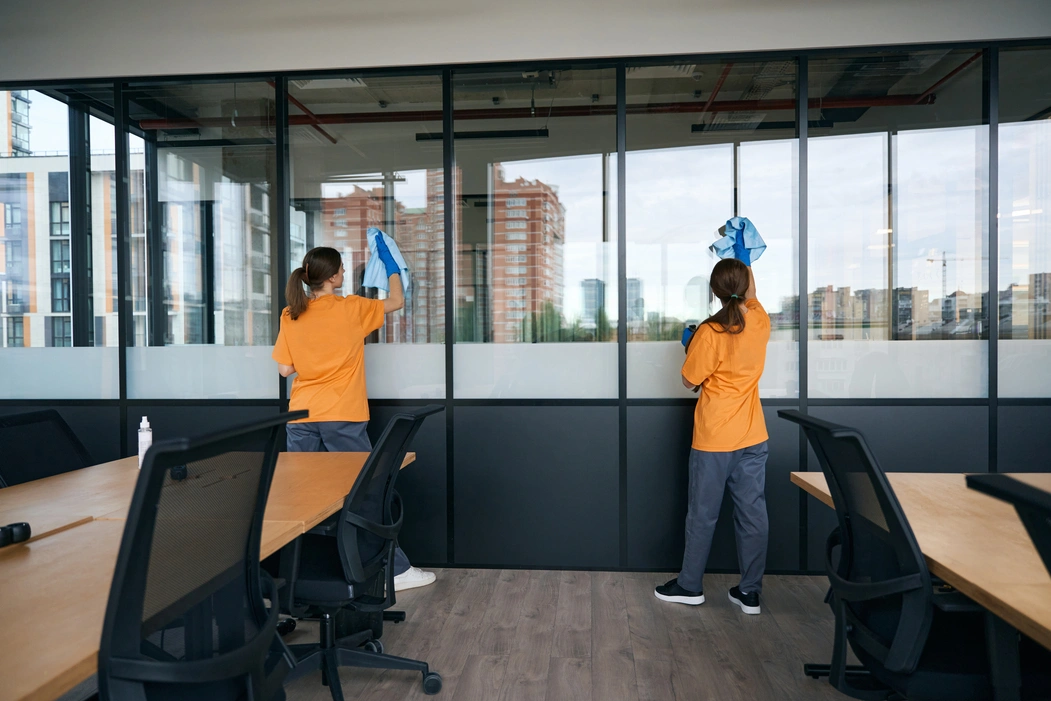
Additional services such as carpet cleaning, window washing, floor polishing, and disinfection are usually priced separately from standard cleaning.
These services require specialized tools, techniques, and expertise, which adds to the total cost.
Building Layout and Accessibility
The design and layout of a building can affect cleaning time and complexity. Multi-floor buildings, tight spaces, and areas with limited access require more effort to clean.
High-rise buildings may require special equipment for window cleaning, which increases cost.
Location of the Business
Geographic location plays a major role in pricing. Urban areas like Chicago often have higher labor and operational costs compared to suburban or rural locations.
Local demand and competition also influence pricing variations.
Cleaning Equipment and Technology
The type of equipment used can impact cost. Advanced machines such as industrial vacuums, floor scrubbers, and automated cleaning systems improve efficiency but may increase service pricing.
However, these tools often provide better results and long-term value.
Eco-Friendly Cleaning Requirements
Businesses that prefer eco-friendly cleaning solutions may see a slight increase in cost due to specialized products and methods.
However, these options provide long-term benefits such as improved air quality and reduced environmental impact.
Staff Expertise and Training
Highly trained cleaning staff often deliver better results but may come at a higher cost. Skilled professionals are trained in safety procedures, equipment handling, and specialized cleaning techniques.
This ensures quality service and reduces risks during cleaning operations.
Time of Service
Cleaning services performed outside regular business hours, such as evenings or weekends, may cost more.
After-hours cleaning is often preferred by businesses to avoid disruption, but it can increase labor costs.
Contract Length and Agreements
Long-term contracts often provide better pricing compared to one-time services. Cleaning companies may offer discounts for regular or extended agreements.
This helps businesses manage costs more effectively while ensuring consistent service.
Additional or Emergency Services
Unexpected cleaning needs such as spills, accidents, or emergency situations can add to the total cost.
These services are usually charged separately due to their urgent nature and additional resource requirements.
Conclusion
Commercial cleaning pricing is influenced by a combination of factors including size, frequency, service type, and location. Understanding these elements helps businesses plan effectively and choose the right cleaning services for their needs.
By evaluating these factors carefully, companies can balance cost and quality while maintaining a clean, professional environment.