

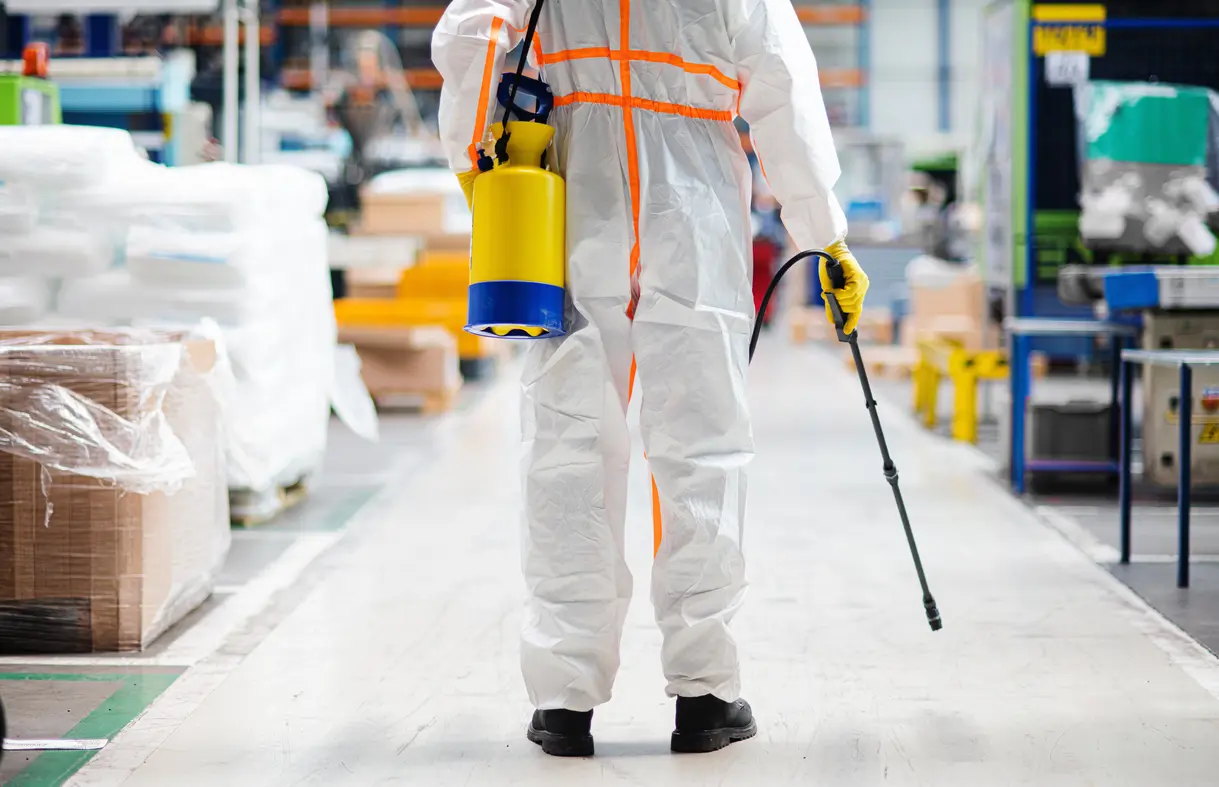

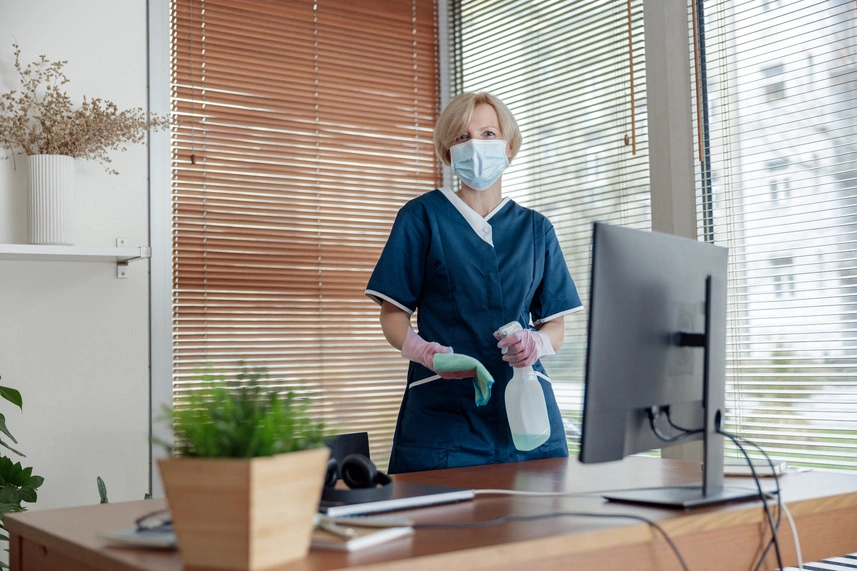
Office sanitization is no longer something businesses can treat as occasional maintenance. With shared workspaces, high-touch surfaces, and constant employee movement, regular sanitization plays a direct role in preventing illness and maintaining a productive environment.
The right frequency depends on office size, foot traffic, and the type of work being done. In busy commercial environments, especially in cities like Chicago, a structured sanitization plan is essential rather than optional.
Daily Sanitization for High-Traffic Offices
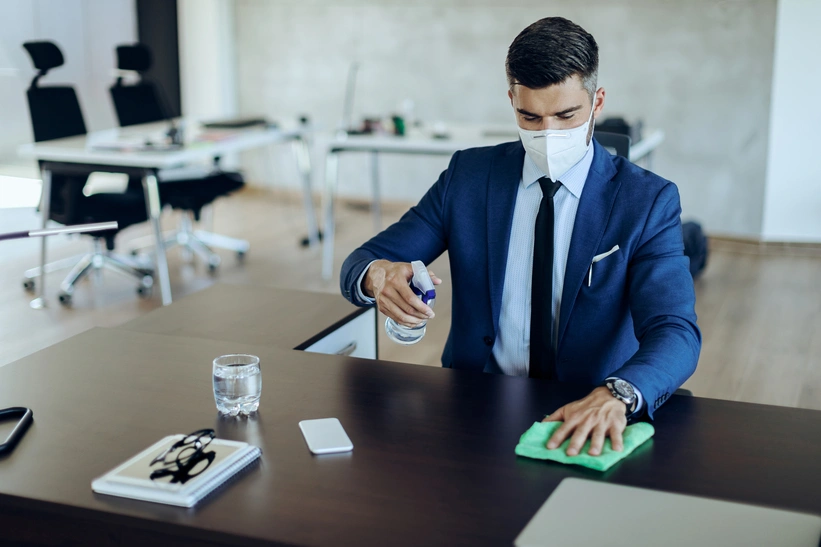
In most office environments, daily sanitization is the baseline requirement. High-touch surfaces should be disinfected every day to reduce the risk of germ transmission.
This includes desks, door handles, elevator buttons, shared devices, reception areas, and meeting rooms. Restrooms and kitchen areas also require daily sanitization due to frequent use.
Multiple Times Per Day in Busy Workspaces
Offices with high employee density or frequent visitor traffic require more frequent sanitization—sometimes two to three times per day.
Reception areas, shared equipment, and breakrooms should be sanitized throughout the day to maintain consistent hygiene levels.
This approach is common in corporate offices, co-working spaces, and customer-facing environments.
Weekly Deep Sanitization
While daily cleaning focuses on visible hygiene, weekly sanitization targets deeper cleaning needs. This includes disinfecting less frequently touched surfaces, detailed cleaning of furniture, and thorough restroom sanitization.
Weekly deep cleaning helps control bacteria buildup that may not be visible during routine cleaning.
Monthly Intensive Sanitization
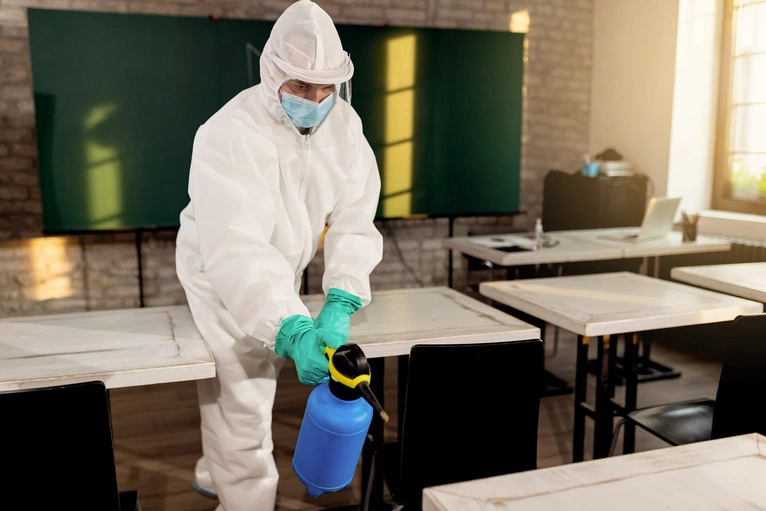
Once a month, offices should undergo a more intensive sanitization process. This includes deep cleaning carpets, upholstery, air vents, and HVAC-related components.
This level of cleaning helps maintain long-term indoor air quality and reduces hidden contamination in hard-to-reach areas.
High-Touch Areas Require Special Attention
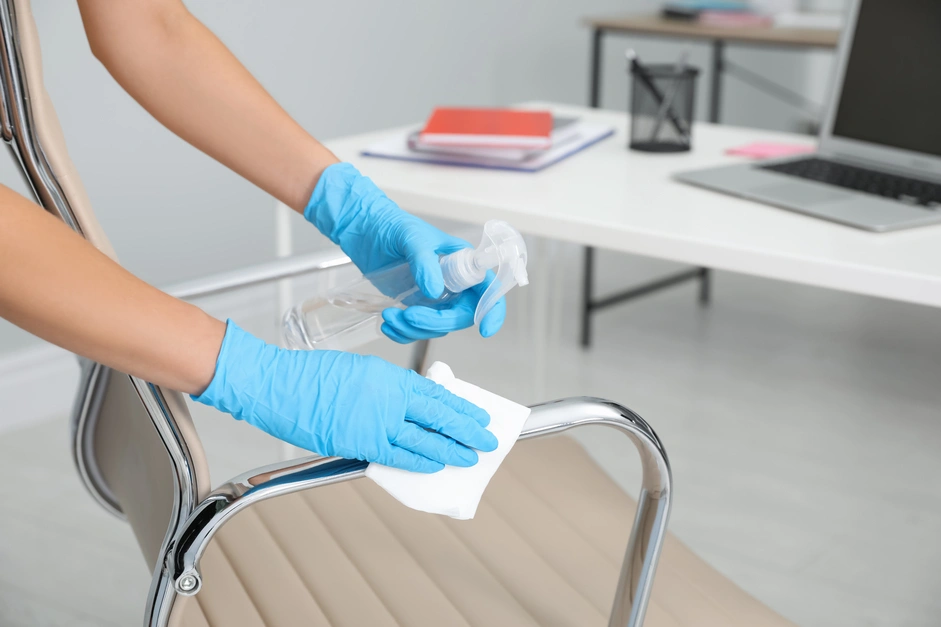
Some surfaces require more frequent attention than others. High-touch areas are the most likely to carry germs and should be sanitized multiple times a day.
These include keyboards, phones, light switches, shared printers, and door handles.
Focusing on these areas significantly reduces the risk of infection spread within the workplace.
Industry-Specific Requirements
Different industries have different sanitization needs. For example, healthcare offices and laboratories require stricter and more frequent sanitization compared to standard corporate offices.
Retail offices or customer-facing businesses also require higher sanitization frequency due to public interaction.
Seasonal Adjustments
Sanitization frequency should increase during flu seasons or periods of higher illness spread. During such times, additional cleaning cycles help reduce workplace infections.
Businesses often adjust their cleaning schedules during winter and early spring when viruses spread more easily.
Impact of Office Size and Layout
Larger offices or multi-floor buildings require more structured sanitization schedules. The more employees and shared spaces there are, the higher the frequency needed.
Open-plan offices may also require more frequent cleaning due to increased surface sharing.
Employee Density and Usage Patterns
Offices with higher employee density naturally require more frequent sanitization. Shared desks, meeting rooms, and common areas increase the risk of contamination.
Monitoring usage patterns helps determine where and how often sanitization should be increased.
Importance of Consistency
Consistency is more important than occasional deep cleaning. Regular sanitization prevents the buildup of harmful microorganisms and ensures ongoing protection.
Irregular cleaning schedules reduce effectiveness and increase health risks over time.
Role of Professional Cleaning Services
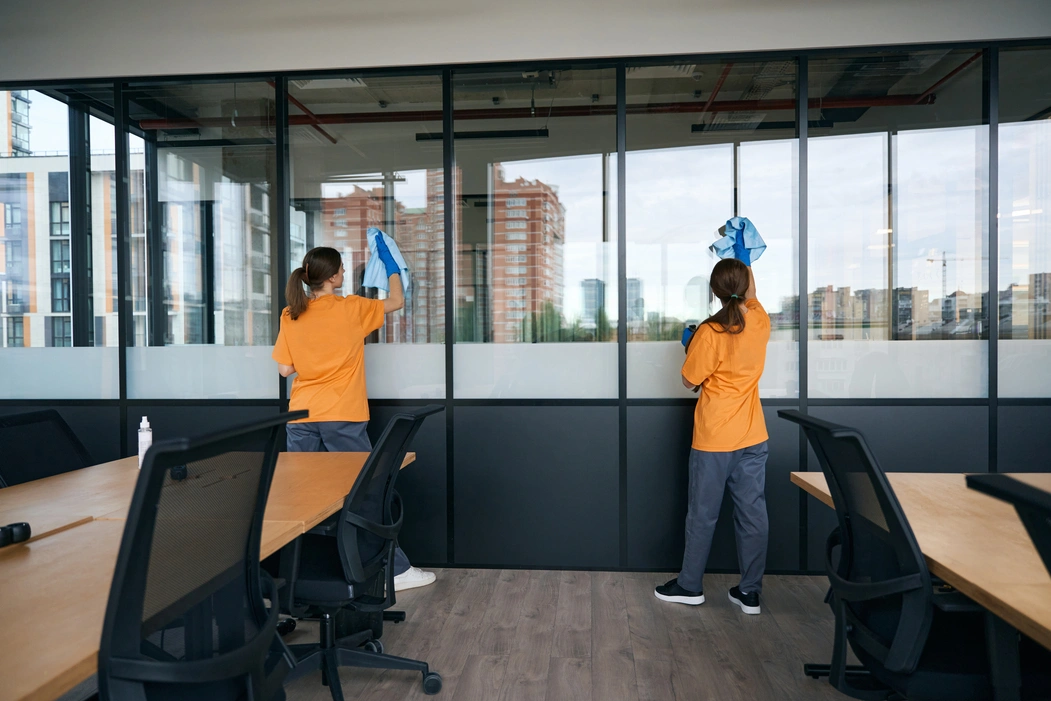
Professional cleaning companies help maintain proper sanitization frequency using structured schedules and specialized equipment.
They ensure that high-risk areas are consistently cleaned and that industry standards are followed properly.
Balancing Cost and Hygiene
While frequent sanitization is important, businesses also need to balance cost and efficiency. A well-planned schedule ensures that resources are focused on high-priority areas without unnecessary over-cleaning.
This helps maintain hygiene standards while controlling operational costs.
Conclusion
The frequency of office sanitization depends on usage, industry type, and workspace layout. However, daily cleaning of high-touch surfaces combined with weekly and monthly deep sanitization provides a strong foundation for most workplaces.
A consistent sanitization routine helps reduce illness, improve employee comfort, and maintain a safe and professional working environment.