



Reducing chemical use in commercial cleaning is becoming a practical priority for modern businesses, not just an environmental choice. Offices, retail spaces, and industrial facilities are now shifting toward safer cleaning methods that maintain hygiene standards without over-reliance on harsh chemicals.
In busy commercial environments like those in Chicago, where cleaning is frequent and shared spaces are common, minimizing chemical exposure improves indoor air quality, protects employee health, and creates a more comfortable working environment.
Why Reducing Chemicals Matters
Traditional cleaning products often contain strong chemicals that can leave behind residues and fumes. Over time, these substances may affect air quality and cause irritation for employees and visitors.
Reducing chemical usage helps create safer indoor environments while still maintaining strong cleaning performance. It also supports long-term sustainability goals for businesses.
Improving Indoor Air Quality
One of the biggest benefits of using fewer chemicals is improved indoor air quality. Strong cleaning agents can release volatile compounds that linger in enclosed office spaces.
By reducing chemical usage, businesses can minimize unpleasant odors and create a fresher, healthier atmosphere for employees. This often leads to better focus and productivity.
Using Microfiber Cleaning Systems
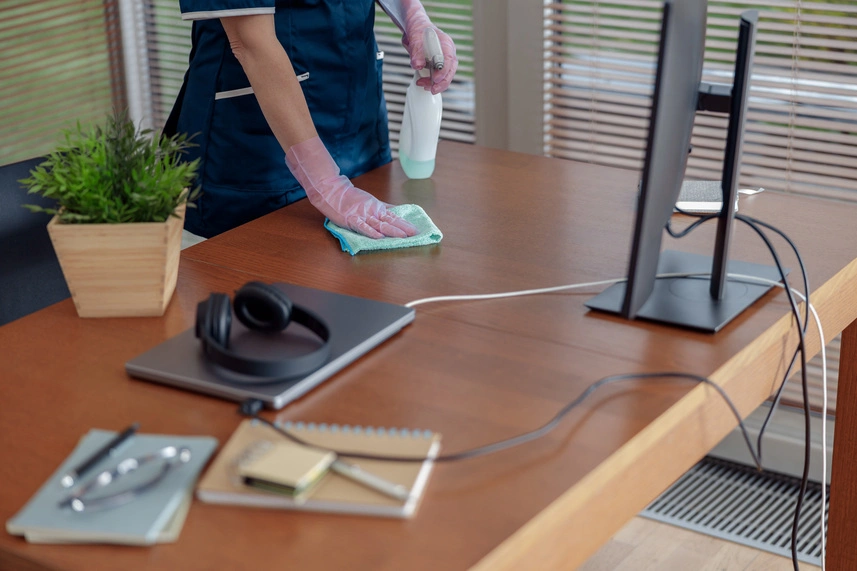
Microfiber cloths and mop systems are highly effective alternatives to chemical-heavy cleaning methods. These materials are designed to trap dust, dirt, and bacteria without requiring strong cleaning agents.
With proper use, microfiber tools can significantly reduce the need for chemical sprays while still delivering excellent cleaning results on surfaces, glass, and floors.
Switching to Eco-Friendly Cleaning Products
Eco-friendly cleaning products are designed with biodegradable and non-toxic ingredients. These solutions clean effectively while reducing harm to both people and the environment.
Many modern green cleaners use plant-based formulas that are safer for daily use in offices, hospitals, and retail spaces.
Using Steam Cleaning Technology
Steam cleaning is an effective method that uses high-temperature steam to remove dirt, grease, and bacteria without chemicals.
This technique is especially useful for floors, upholstery, and restrooms where deep cleaning is required. It provides strong sanitization while eliminating the need for harsh disinfectants.
Proper Dilution of Cleaning Products
When chemicals are necessary, proper dilution is key to reducing their impact. Many cleaning agents are more concentrated than needed for routine tasks.
Using correct dilution ratios ensures effective cleaning while minimizing chemical exposure and waste.
Targeted Cleaning Instead of Full-Surface Chemical Use
Instead of applying chemicals to entire surfaces, targeted cleaning focuses only on areas that require attention. This reduces unnecessary chemical use while still maintaining hygiene.
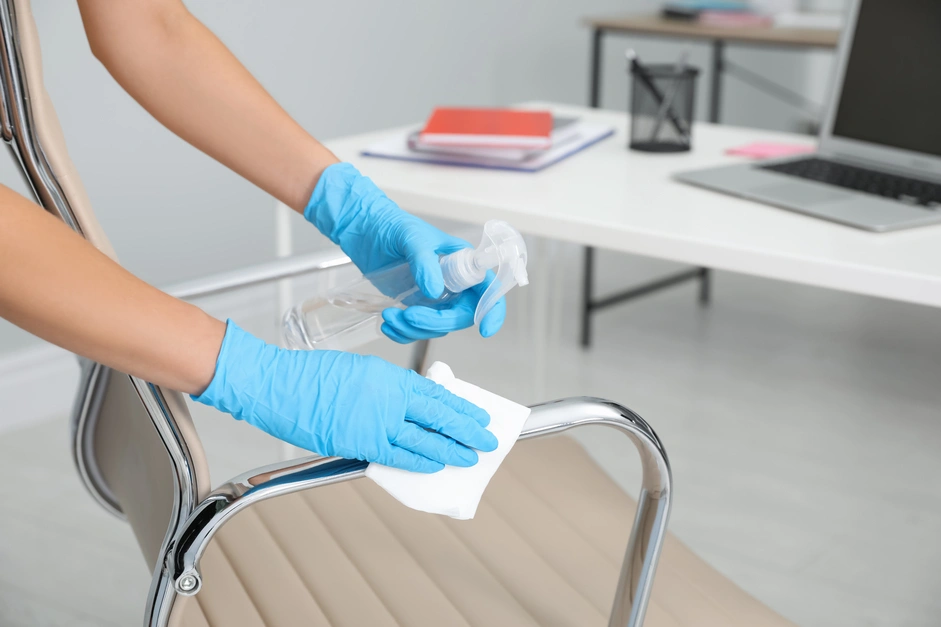
For example, high-touch points like door handles and shared equipment can be disinfected specifically rather than treating entire rooms.
Improving Cleaning Frequency
Regular cleaning reduces the need for heavy chemical use. When dirt and stains are addressed early, there is less need for strong cleaning agents later.
A consistent cleaning schedule helps maintain cleanliness naturally and reduces buildup that requires intensive chemical treatment.
Using Natural Cleaning Alternatives
Simple natural ingredients like vinegar, baking soda, and lemon-based solutions can be effective for many cleaning tasks.
These alternatives are commonly used for light cleaning, deodorizing, and stain removal in commercial environments where chemical reduction is a priority.
Training Cleaning Staff Properly
Proper training plays a major role in reducing chemical usage. Cleaning staff should understand when chemicals are necessary and when alternative methods can be used.
Training also helps avoid overuse, which is one of the most common reasons for unnecessary chemical exposure in workplaces.
Benefits for Employee Health
Reducing chemical exposure leads to fewer respiratory issues, skin irritation, and allergic reactions among employees and cleaning staff.
A healthier environment contributes to improved comfort and reduced sick days, which benefits overall workplace productivity.
Environmental Impact
Lower chemical usage reduces harmful runoff into water systems and decreases environmental pollution. Many traditional cleaning agents can negatively impact ecosystems when disposed of improperly.
Eco-conscious cleaning practices help businesses align with sustainability goals and corporate responsibility standards.
Cost Efficiency Over Time
Reducing chemical use can also lower long-term costs. Eco-friendly methods often require fewer consumables and reduce the need for frequent chemical purchases.
Additionally, improved equipment and cleaning efficiency can reduce labor and maintenance costs over time.
Role of Professional Cleaning Services
Professional cleaning companies are increasingly adopting low-chemical or chemical-free cleaning systems. They use advanced tools, eco-certified products, and optimized cleaning techniques.
This ensures high cleaning standards while minimizing health and environmental risks for businesses.
Conclusion
Reducing chemical use in cleaning is a practical and forward-thinking approach for modern businesses. It improves indoor air quality, supports employee health, and reduces environmental impact without compromising cleanliness.
With the right tools, training, and cleaning strategies, businesses can maintain safe, hygienic, and efficient workspaces while moving toward more sustainable operations.