


A clean office is not something that happens once a week or only when it looks messy—it is built through small, consistent daily actions. A simple daily cleaning routine keeps the workspace organized, reduces health risks, and improves overall productivity. In busy office environments like those in Chicago, where employees share spaces and high traffic is constant, daily cleaning becomes essential for maintaining a professional setting.
The goal is not to overcomplicate cleaning tasks, but to create a structured routine that staff can follow easily without disrupting workflow. When done consistently, it prevents dirt buildup, reduces deep cleaning costs, and creates a healthier work environment.
Start of the Day: Reset the Workspace
The first step in a daily office cleaning routine begins before work officially starts. Desks, meeting rooms, and shared spaces should be reset to a clean and organized condition.
This includes wiping down desks, aligning chairs, and removing any leftover items from the previous day. A clean start sets the tone for a productive day and helps employees focus better.
Emptying Trash Bins Regularly
Trash accumulation is one of the fastest ways an office can start looking unclean. Emptying bins daily prevents odor buildup and keeps the environment fresh.
Waste should be properly segregated where possible, separating recyclables from general waste. This small habit helps maintain hygiene and supports sustainability practices within the office.
Surface Cleaning and Disinfection
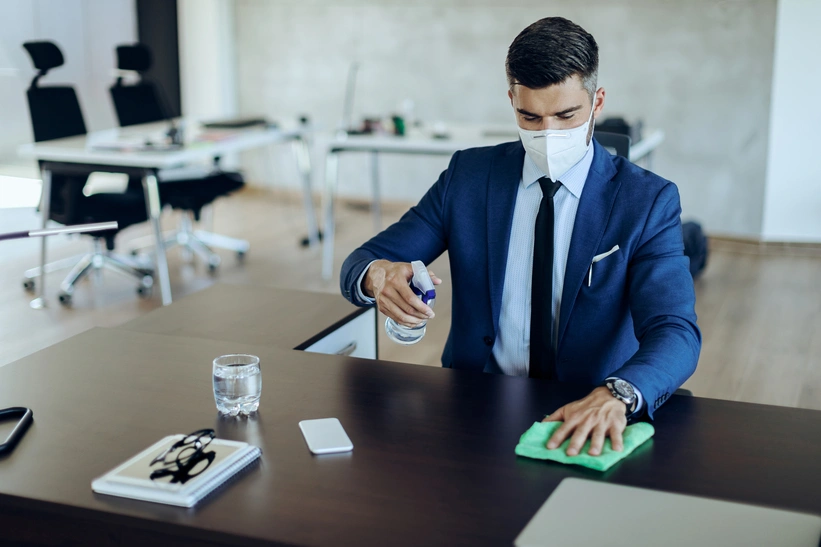
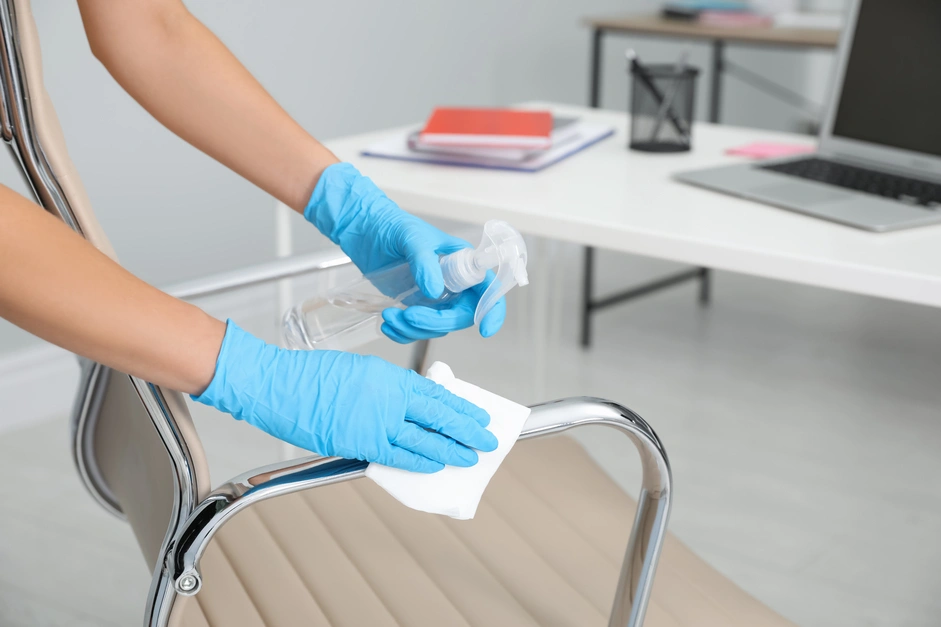
High-touch surfaces such as desks, keyboards, phones, door handles, and shared equipment should be cleaned daily. These areas collect germs quickly due to frequent contact.
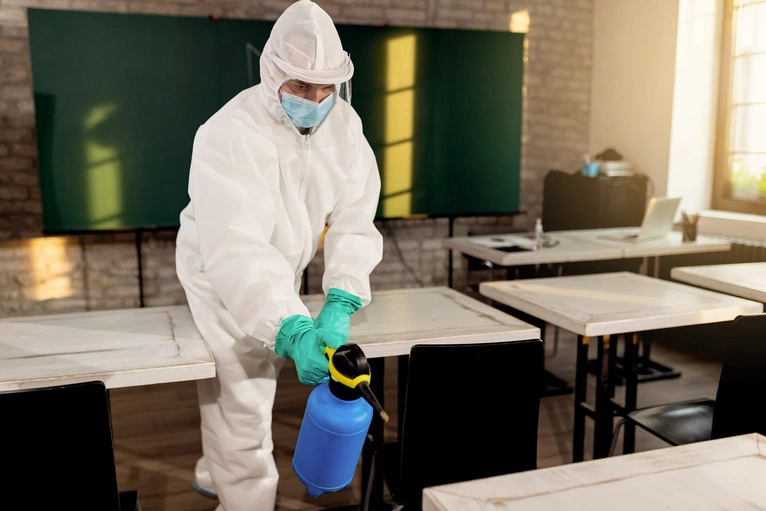
Using disinfectant wipes or mild cleaning solutions helps reduce the spread of bacteria and viruses. Regular surface cleaning improves workplace health and reduces employee sick days.
Floor Maintenance and Spot Cleaning
Office floors should be checked daily for dust, dirt, and spills. While deep cleaning may not be required every day, light maintenance is essential.
Sweeping or vacuuming high-traffic areas helps prevent dirt from spreading throughout the office. Any spills should be cleaned immediately to avoid stains and slip hazards.
Kitchen and Break Area Cleaning
Shared kitchen and break areas are some of the most commonly used spaces in any office. They require daily attention to maintain hygiene and prevent contamination.
Tasks include wiping countertops, cleaning sinks, emptying food waste, and sanitizing shared appliances like microwaves and refrigerators. A clean break area encourages healthier habits among employees.
Restroom Hygiene Maintenance
Restrooms require strict daily cleaning due to high usage and hygiene sensitivity. Cleaning should include sanitizing toilets, sinks, mirrors, and floors.
Supplies such as soap, tissue paper, and hand sanitizers should be checked and refilled daily. Maintaining restroom cleanliness is critical for employee comfort and workplace reputation.
Organizing Common Areas
Reception areas, meeting rooms, and lounges should be organized at the end of each day. This includes straightening furniture, removing clutter, and ensuring magazines or materials are neatly arranged.
A well-organized common area creates a positive impression for visitors and maintains a professional office image.
Air Quality and Ventilation Check
Good air quality is often overlooked in daily cleaning routines. Offices should ensure proper ventilation by opening windows where possible or checking air systems regularly.
Dust accumulation in vents and poor airflow can affect employee comfort and productivity. A clean airflow system contributes to a healthier workspace.
End-of-Day Desk Reset
Before leaving the office, employees should reset their desks. This includes organizing paperwork, clearing unnecessary items, and wiping surfaces.
A clean desk at the end of the day ensures a fresh start the next morning and reduces clutter buildup over time.
High-Touch Area Recheck
Before closing the office, high-touch areas should be checked again. Door handles, switches, shared devices, and entry points often require repeated cleaning throughout the day.
This final check helps maintain hygiene standards and ensures that the office remains clean overnight.
Role of Staff Responsibility
A simple daily cleaning routine works best when responsibilities are shared among employees. Each team member can take responsibility for their workspace and common areas.
This creates accountability and ensures that cleaning is consistent without relying entirely on external support.
Benefits of a Daily Cleaning Routine
Maintaining a daily cleaning routine offers multiple benefits. It reduces the need for intensive deep cleaning, improves employee health, and enhances overall workplace appearance.
It also creates a more organized and stress-free environment, allowing employees to focus better on their tasks.
Role of Professional Cleaning Services
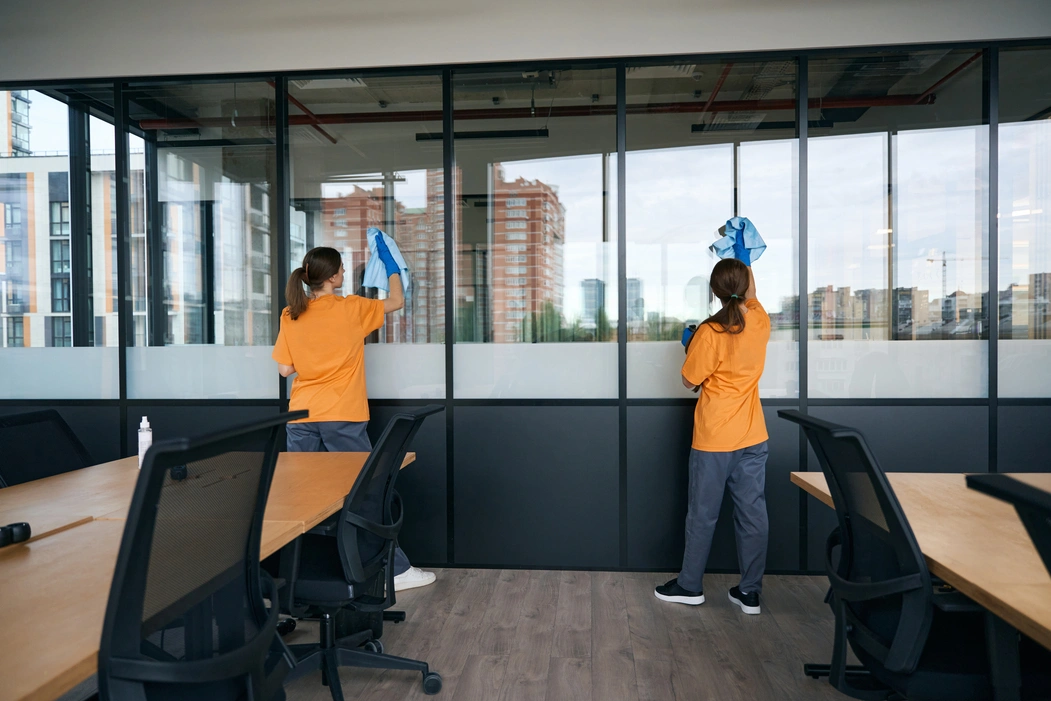
While daily routines handle basic maintenance, professional cleaning services are important for deeper cleaning tasks. These include carpet cleaning, window washing, and periodic sanitization.
Combining daily in-house cleaning with professional services ensures a consistently high standard of hygiene and workplace maintenance.
Conclusion
A simple daily office cleaning routine is one of the most effective ways to maintain a clean, organized, and productive workspace. It focuses on small but consistent actions that prevent dirt buildup and improve overall hygiene.
When implemented properly, it enhances employee well-being, strengthens business image, and reduces long-term maintenance costs.