




Emergency cleaning services are designed for situations that cannot wait for a regular cleaning schedule. Unlike routine janitorial work, these services are activated when unexpected incidents threaten hygiene, safety, or business operations. In commercial environments such as offices, retail spaces, healthcare facilities, and industrial sites, knowing when to call emergency cleaning support can prevent damage, downtime, and health risks.
These services are not just about cleaning faster—they are about responding quickly, containing risks, and restoring a safe working environment as efficiently as possible.
Unexpected Spills and Hazardous Contamination
One of the most common reasons to use emergency cleaning services is the occurrence of large or hazardous spills. This may include chemical leaks, food contamination in commercial kitchens, or bodily fluid incidents in healthcare or office environments.
These situations require immediate attention because they can create slip hazards, health risks, and potential regulatory violations if not handled correctly.
Water Damage and Flooding
Flooding or water leaks from plumbing failures, burst pipes, or severe weather events can quickly disrupt business operations. Water can damage flooring, furniture, electronics, and structural components if not addressed promptly.
Emergency cleaning teams use extraction equipment, drying systems, and moisture control techniques to minimize damage and prevent mold growth.
Post-Construction or Renovation Surprises
Sometimes after renovation or construction work, unexpected dust, debris, or leftover materials remain on-site. If a business needs to reopen quickly, emergency cleaning ensures the space is safe and usable.
This includes removing fine dust particles, cleaning surfaces, and preparing the area for immediate occupancy.
Health and Infection Control Risks
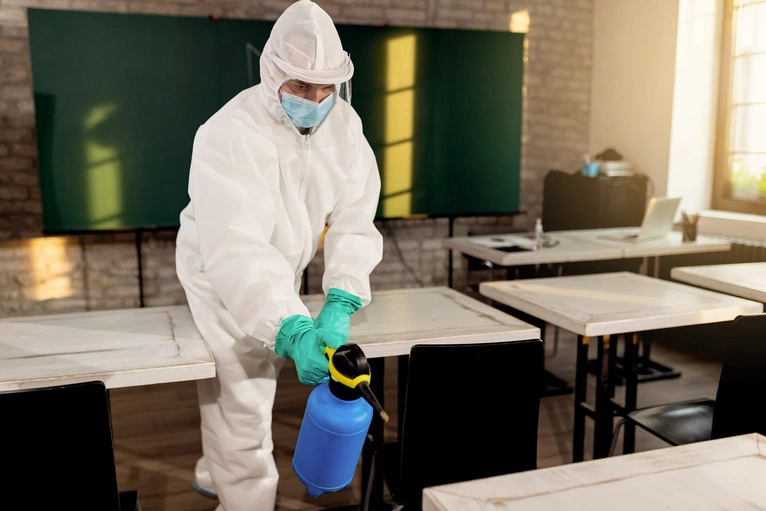
In workplaces where illness outbreaks occur, rapid disinfection becomes critical. Emergency cleaning services help control the spread of viruses and bacteria in shared office environments.
This is especially important in high-density workplaces where employees share desks, equipment, and meeting spaces.
Accidents in High-Traffic Areas
Spills, broken glass, or accidents in lobbies, hallways, or retail floors require immediate attention to prevent injuries and maintain safe movement.
Emergency cleaning teams are trained to quickly secure the area, remove hazards, and restore cleanliness without disrupting ongoing operations more than necessary.
Fire or Smoke Damage Cleanup
After minor fire incidents or smoke exposure, emergency cleaning is required to remove soot, odor, and residue from affected surfaces.
Smoke particles can spread quickly and affect air quality, making rapid intervention essential for both safety and recovery.
Event Cleanup Requirements
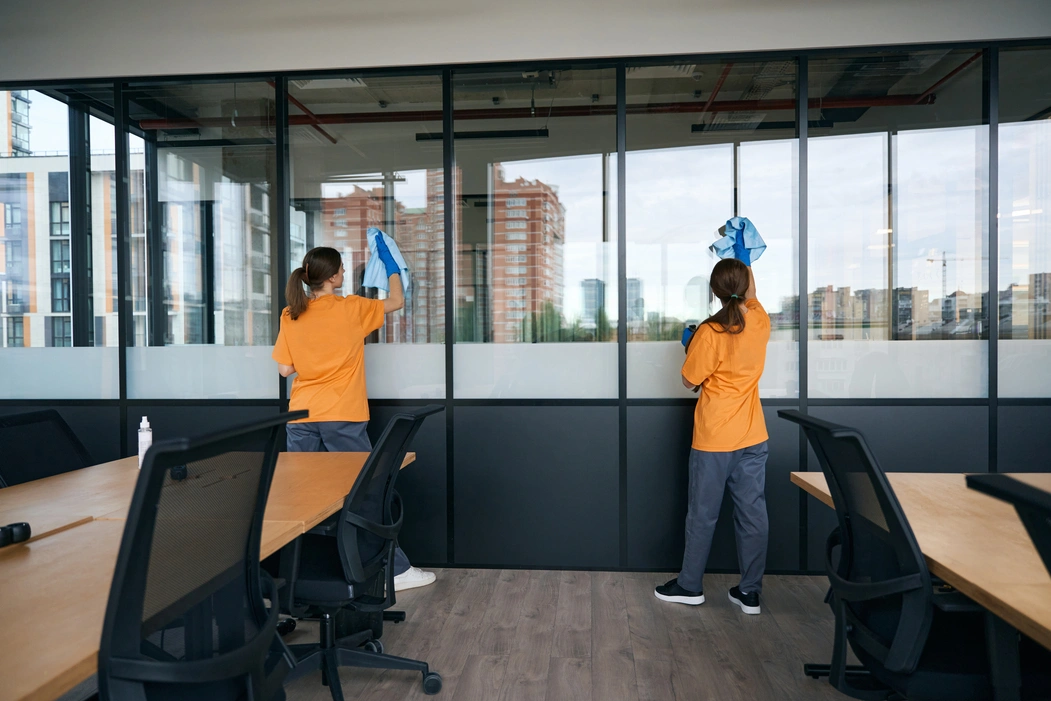
Large corporate events, conferences, or public gatherings often require immediate post-event cleaning. When standard cleaning schedules are not enough, emergency teams are brought in to restore the space quickly.
This includes waste removal, surface cleaning, floor care, and restroom sanitation.
Unplanned Biohazard Situations
Some environments may face unexpected biohazard situations that require specialized handling. These include contamination incidents that must be cleaned using strict safety protocols and protective equipment.
Only trained emergency cleaning professionals should handle such cases to ensure compliance with safety standards.
Business Continuity and Downtime Prevention
One of the biggest advantages of emergency cleaning services is minimizing downtime. Businesses cannot always pause operations for extended cleaning, especially in customer-facing industries.
Fast response cleaning helps restore safe working conditions so operations can continue with minimal disruption.
Rapid Response Time Advantage
Emergency cleaning teams are structured for speed. Unlike scheduled cleaning services, they operate with on-call availability and quick deployment systems.
This allows them to respond within short timeframes, assess the situation, and begin remediation immediately.
Specialized Equipment for Urgent Situations
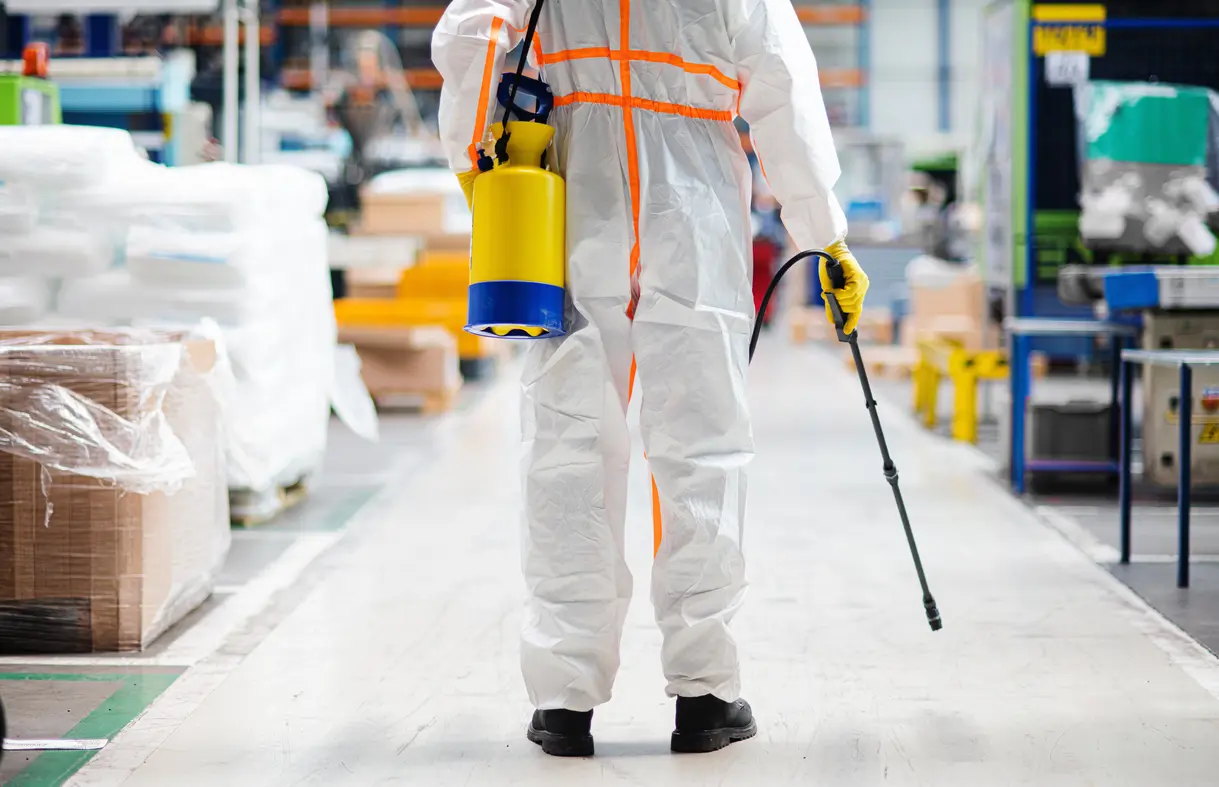
Emergency cleaning requires advanced tools such as industrial wet vacuums, air movers, disinfectant sprayers, and protective containment systems.
These tools help address contamination quickly and reduce long-term damage or health risks.
Safety Protocols and Compliance
Emergency cleaning is governed by strict safety procedures. Teams must follow occupational health standards, wear protective gear, and ensure proper disposal of hazardous materials.
This ensures both worker safety and regulatory compliance during high-risk situations.
When Not to Use Emergency Cleaning Services
Emergency cleaning should not be used for routine maintenance tasks. Regular dusting, floor cleaning, or scheduled janitorial work should be handled through standard service plans.
Using emergency services unnecessarily can increase costs without providing added benefit.
Cost Considerations
Emergency cleaning services are typically more expensive than scheduled cleaning due to urgency, labor intensity, and specialized equipment use.
However, the cost is often justified by preventing larger damages, operational downtime, and potential health risks.
Importance of Preparedness
Businesses should have an emergency cleaning plan in place before incidents occur. This includes identifying service providers, understanding response times, and knowing escalation procedures.
Preparedness reduces panic and ensures faster recovery during unexpected situations.
Conclusion
Emergency cleaning services are essential for handling unexpected incidents that require immediate attention. From spills and flooding to health risks and accident cleanup, these services help restore safety and functionality quickly.
Understanding when to use emergency cleaning ensures businesses can respond effectively, minimize damage, and maintain safe working environments even during unforeseen events.