



Industrial environments operate under completely different conditions compared to standard office or retail spaces. Factories, warehouses, production units, and manufacturing plants deal with heavy machinery, chemical exposure, dust accumulation, and continuous operational activity. Because of these factors, industrial cleaning is not just about appearance—it is a critical part of workplace safety, efficiency, and regulatory compliance.
In cities like Chicago, where industrial operations are widespread, maintaining proper cleaning standards is essential to ensure smooth production workflows and reduce workplace hazards. Industrial cleaning safety standards are designed to protect workers, equipment, and the overall facility from risks associated with contamination, spills, and hazardous materials.
Importance of Industrial Cleaning Safety
Industrial cleaning involves high-risk environments where improper handling of waste, chemicals, or machinery can lead to serious accidents. Safety standards ensure that cleaning activities are performed in a controlled and structured manner, minimizing risks to workers and equipment.
These standards also help businesses comply with occupational safety regulations. Failure to follow proper procedures can result in workplace injuries, legal penalties, and operational shutdowns. Therefore, safety is not optional—it is a fundamental requirement in industrial cleaning operations.
Use of Personal Protective Equipment (PPE)
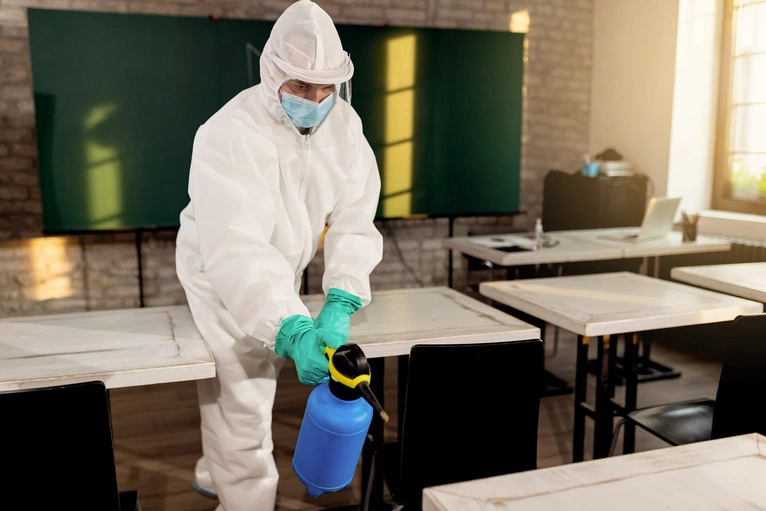
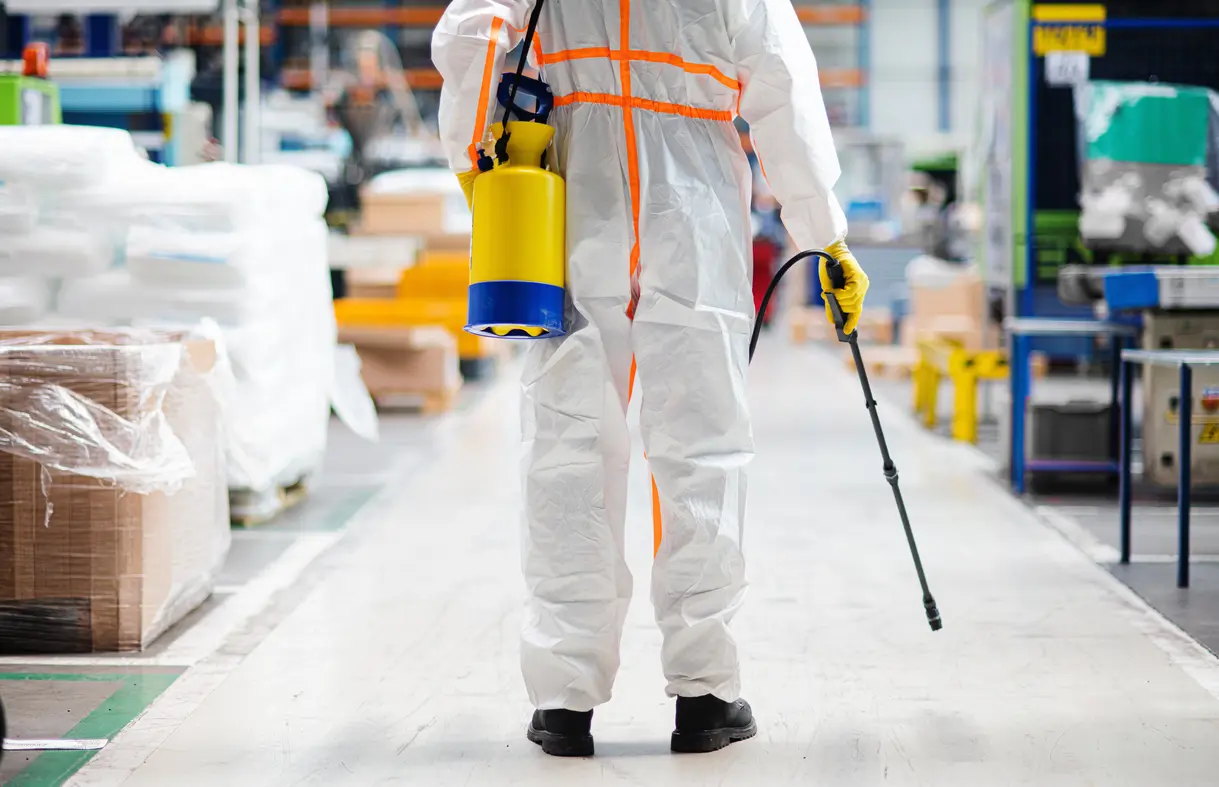
One of the most critical aspects of industrial cleaning safety is the use of Personal Protective Equipment (PPE). Workers are required to wear appropriate gear depending on the cleaning task and environment. This may include gloves, helmets, safety goggles, masks, protective suits, and steel-toe boots.
PPE acts as the first line of defense against exposure to harmful chemicals, sharp objects, dust particles, and high-temperature surfaces. Proper training must be provided to ensure that workers understand how to use and maintain their protective equipment effectively.
Chemical Handling and Storage Safety
Industrial cleaning often involves the use of strong chemicals and cleaning agents that can be hazardous if not handled properly. Safety standards require strict guidelines for labeling, storage, and usage of all cleaning chemicals.
Chemicals must be stored in clearly marked containers in well-ventilated areas away from heat sources. Workers must be trained to read safety data sheets (SDS) to understand the risks associated with each substance. Mixing incompatible chemicals is strictly prohibited, as it can lead to toxic reactions or dangerous fumes.
Machine and Equipment Safety Protocols
Industrial cleaning frequently involves heavy-duty machines such as pressure washers, floor scrubbers, vacuum systems, and conveyor cleaning equipment. Improper use of these machines can cause injuries or equipment damage.
Safety standards require that all equipment be inspected before use to ensure proper functioning. Operators must be trained and certified where necessary. Machines should also be turned off and properly locked out during maintenance or servicing to prevent accidental activation.
Slip, Trip, and Fall Prevention
One of the most common hazards in industrial environments is slip, trip, and fall accidents. Wet floors, uneven surfaces, spilled liquids, and cluttered walkways significantly increase risk levels.
Safety protocols require clear signage during cleaning operations, such as “Wet Floor” warnings, to alert employees and visitors. Walkways must be kept clear at all times, and spills should be cleaned immediately using appropriate materials to prevent accidents.
Ventilation and Air Quality Control
Industrial cleaning processes can release dust, fumes, and chemical vapors into the air. Proper ventilation is essential to maintain safe working conditions and protect respiratory health.
Facilities must be equipped with adequate ventilation systems such as exhaust fans, air filters, and dust extraction units. In enclosed spaces, respiratory protective equipment may also be required to prevent exposure to harmful airborne particles.
Training and Workforce Awareness
Safety standards are only effective when workers are properly trained. Regular training programs must be conducted to educate employees on cleaning procedures, hazard identification, emergency response, and proper equipment usage.
Awareness programs help workers understand potential risks and encourage them to follow safety protocols consistently. Refresher training sessions are also important to ensure that safety knowledge remains up to date.
Emergency Response Procedures
Despite all preventive measures, accidents can still occur in industrial environments. Therefore, clear emergency response procedures must be in place. This includes fire evacuation plans, first aid readiness, spill containment procedures, and emergency contact systems.
Employees should be trained on how to respond quickly and effectively during emergencies. Regular drills help ensure preparedness and reduce panic during real incidents.
Waste Management and Disposal Safety
Industrial cleaning generates various types of waste, including chemical residues, contaminated materials, and general industrial debris. Proper disposal methods must be followed to prevent environmental contamination and health risks.
Hazardous waste must be separated from regular waste and disposed of according to environmental regulations. Recycling and waste reduction practices should also be implemented wherever possible to improve sustainability.
Compliance with Regulatory Standards
Industrial cleaning operations must comply with local, state, and federal safety regulations. These standards are designed to ensure safe working environments and prevent industrial accidents.
Regular inspections and audits may be conducted to verify compliance. Businesses that fail to meet safety requirements may face penalties, operational restrictions, or legal consequences.
Role of Professional Cleaning Services
Many industrial facilities rely on professional cleaning companies that specialize in high-risk environments. These companies are trained to follow strict safety protocols and use advanced equipment designed for industrial applications.
Hiring professional services ensures that cleaning is performed efficiently while maintaining full compliance with safety standards. It also reduces the burden on in-house staff and minimizes operational risks.
Conclusion
Industrial cleaning safety standards are essential for maintaining safe, efficient, and compliant work environments. From PPE usage and chemical handling to equipment safety and emergency preparedness, every aspect plays a critical role in preventing accidents and ensuring smooth operations.
When properly implemented, these standards not only protect workers but also improve productivity, reduce downtime, and enhance the overall efficiency of industrial facilities. Safety in industrial cleaning is not just a requirement—it is a foundation for sustainable and responsible operations.