



Factories operate in high-intensity environments where dust, grease, production waste, and machinery byproducts accumulate quickly. In cities like Chicago, where manufacturing and industrial activity is significant, maintaining a clean factory is not just about appearance—it directly impacts productivity, safety, and equipment lifespan.
Best practices for factory cleaning are built around one core principle: consistency with safety. Unlike office cleaning, factory environments require structured systems that align with production schedules, machinery operations, and compliance requirements. Poor cleaning practices can lead to accidents, machine breakdowns, and even regulatory violations.
Understanding Factory Cleaning Requirements
Every factory has different cleaning needs depending on its industry. Food processing units require strict hygiene standards, while mechanical factories deal more with oil, metal shavings, and heavy dust. Understanding the nature of operations is the first step in designing an effective cleaning strategy.
A proper cleaning plan must consider production cycles, equipment sensitivity, and hazard levels. Cleaning cannot disrupt operations, so timing and coordination are critical. In most cases, cleaning is divided into shift-based, daily, weekly, and deep cleaning schedules.
Creating a Structured Cleaning Schedule
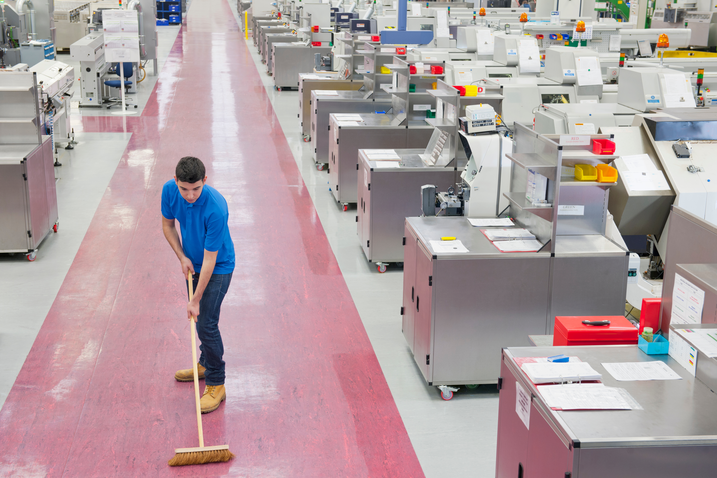
A well-structured cleaning schedule ensures that no area is neglected. Daily cleaning focuses on visible dirt, waste removal, and basic sanitation of high-traffic areas. Weekly cleaning includes deeper tasks such as machine surface cleaning, floor degreasing, and inspection of hard-to-reach areas.
Monthly or quarterly deep cleaning targets areas that accumulate long-term buildup, such as ventilation systems, storage zones, and behind heavy machinery. A structured approach ensures efficiency and prevents operational disruption.
Machine Cleaning and Maintenance Care
Industrial machines are the backbone of factory operations, and their cleanliness directly affects performance. Dust, grease, and residue buildup can lead to overheating, reduced efficiency, and mechanical failures.
Best practices include cleaning machine exteriors regularly, removing debris around moving parts, and ensuring that lubrication areas remain free from contamination. However, internal cleaning or maintenance should only be performed by trained technicians to avoid damage or safety risks.
Floor Cleaning and Spill Management
Factory floors are constantly exposed to oil spills, dust, heavy foot traffic, and equipment movement. Without proper maintenance, floors can become hazardous and slippery, increasing the risk of workplace accidents.
Immediate spill response is essential. Any oil, chemical, or liquid spill should be cleaned as soon as it occurs using appropriate absorbent materials. Floors should also be cleaned using industrial-grade degreasers and scrubbers designed for heavy-duty environments.
Dust and Air Quality Control
Dust accumulation is a major challenge in factories, especially those dealing with raw materials, cutting, or grinding processes. Excess dust not only affects visibility but also impacts respiratory health and machine efficiency.
Air quality control measures include using industrial vacuum systems, installing air filtration units, and ensuring proper ventilation. Regular cleaning of air ducts and vents is also necessary to prevent dust circulation throughout the facility.
Waste Segregation and Disposal
Factories generate different types of waste, including recyclable materials, hazardous waste, and general industrial debris. Proper segregation is essential for safety and environmental compliance.
Hazardous materials such as chemicals, oils, and contaminated waste must be stored in labeled containers and disposed of according to regulations. Recycling programs should be implemented wherever possible to reduce environmental impact and operational costs.
Safety Measures During Cleaning
Safety is a critical aspect of factory cleaning. Cleaning activities often take place near heavy machinery, moving equipment, and electrical systems, making proper precautions essential.
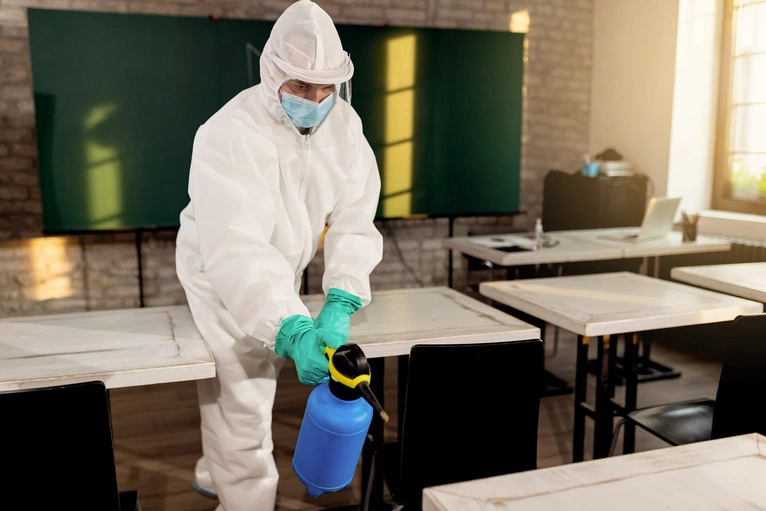
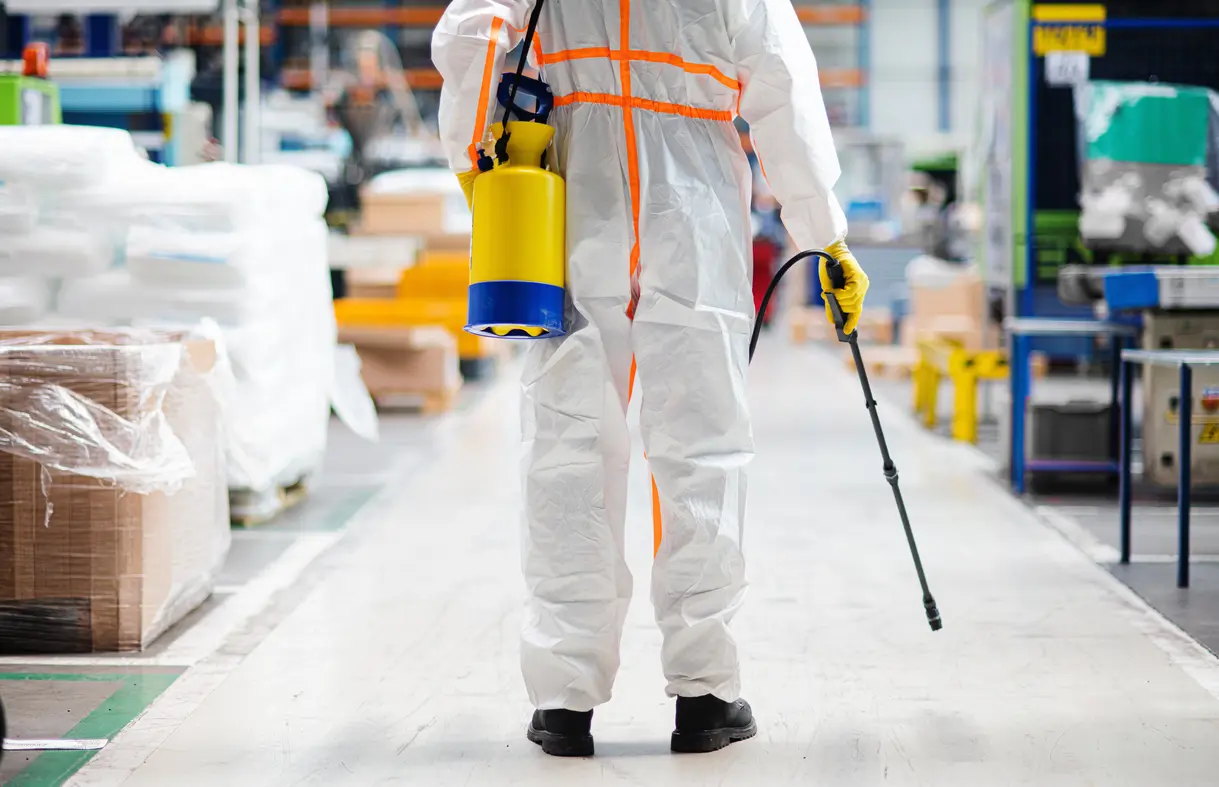
Workers must use appropriate personal protective equipment such as gloves, helmets, masks, and safety boots. Machines should be turned off or locked out before cleaning near operational zones. Clear signage must be used to warn employees about ongoing cleaning activities.
Use of Industrial Cleaning Equipment
Factories require specialized cleaning equipment that can handle large-scale and heavy-duty cleaning tasks. This includes industrial vacuum cleaners, high-pressure washers, floor scrubbers, and steam cleaning machines.
Using the right equipment improves efficiency and reduces manual labor. It also ensures consistent cleaning results across large factory spaces. Equipment must be maintained regularly to ensure optimal performance and safety.
Training and Workforce Coordination
Cleaning in factory environments requires trained personnel who understand both cleaning procedures and safety protocols. Workers must be educated on how to handle industrial equipment, chemicals, and emergency situations.
Coordination between production and cleaning teams is also important. Cleaning schedules should align with production downtime to avoid disruptions. Proper communication ensures smooth workflow and reduces operational conflicts.
Ventilation and Environmental Control
Factories often deal with fumes, dust, and heat generated from machines and production processes. Proper ventilation is necessary to maintain a safe and comfortable working environment.
Air circulation systems, exhaust fans, and dust extraction units should be regularly inspected and cleaned. Maintaining good airflow reduces health risks and improves overall productivity in the workplace.
Compliance with Industry Standards
Factories must comply with occupational safety and environmental regulations. Regular inspections ensure that cleaning practices meet required standards and that hazardous conditions are properly managed.
Non-compliance can lead to fines, shutdowns, or legal issues. Following best cleaning practices helps factories stay compliant while maintaining operational efficiency.
Role of Professional Cleaning Services
Many factories rely on professional industrial cleaning services due to the complexity and risk involved. These services bring expertise, specialized equipment, and trained personnel to handle large-scale cleaning tasks safely and efficiently.
Outsourcing cleaning also allows factory staff to focus on core production activities while ensuring that cleaning is performed to industry standards.
Conclusion
Effective factory cleaning is a combination of structure, safety, and consistency. By implementing best practices such as scheduled cleaning, proper waste management, machine care, and safety protocols, factories can maintain a safe and productive environment.
In competitive industrial sectors, clean operations are not optional—they are essential for efficiency, compliance, and long-term sustainability. A well-maintained factory ultimately leads to better performance, reduced risks, and improved operational success.