


Retail environments operate on a completely different principle compared to offices or industrial spaces. In retail, cleanliness is not just maintenance—it is part of sales strategy. A clean store directly influences how customers perceive products, brands, and overall shopping experience. In competitive markets like Chicago, where customer expectations are high, retail cleanliness can significantly impact foot traffic and conversion rates.
Retail spaces deal with constant customer movement, product handling, and seasonal rushes, all of which contribute to dirt buildup, clutter, and surface contamination. Maintaining a structured cleaning system ensures that the store remains visually appealing, hygienic, and welcoming at all times.
First Impressions and Customer Behavior
Customers often form an opinion about a store within seconds of entering. Floors, lighting, product arrangement, and cleanliness all contribute to this first impression. A clean and organized store creates a sense of trust and professionalism, while a dirty or cluttered environment can immediately push customers away.
Studies in retail psychology show that customers are more likely to spend time—and money—in stores that feel well-maintained. Clean floors, dust-free shelves, and organized displays subtly encourage browsing and increase the likelihood of purchase decisions.
Daily Cleaning Routine in Retail Stores
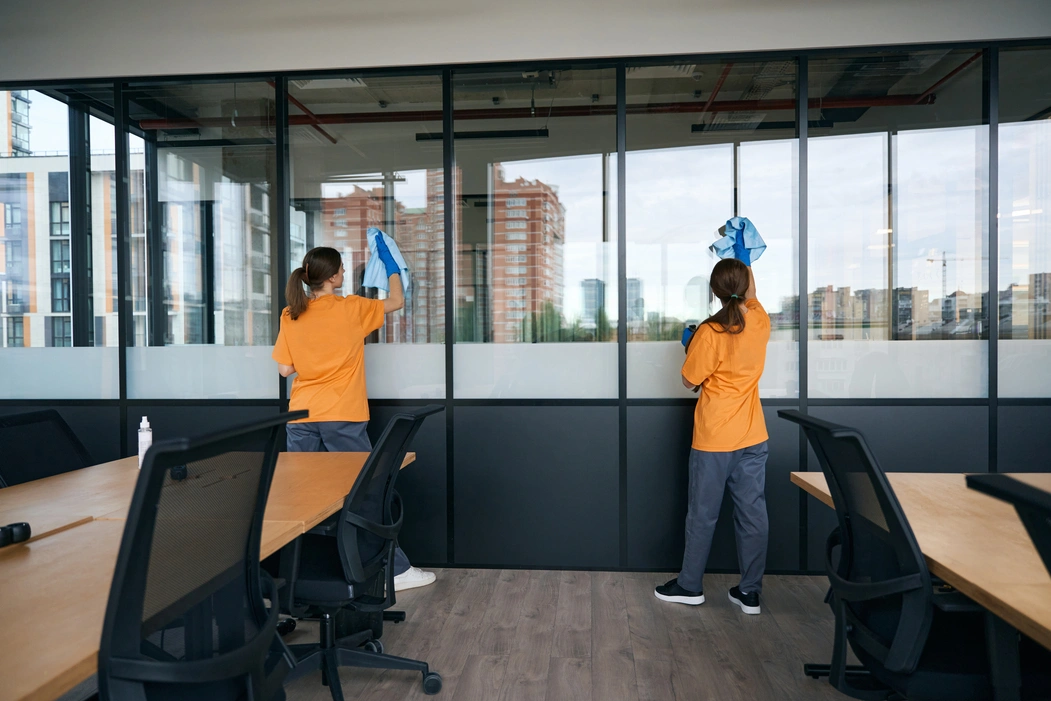
A daily cleaning routine is essential for maintaining baseline hygiene in retail environments. This includes sweeping or vacuuming floors, wiping down counters, cleaning glass surfaces, and removing trash throughout the day.
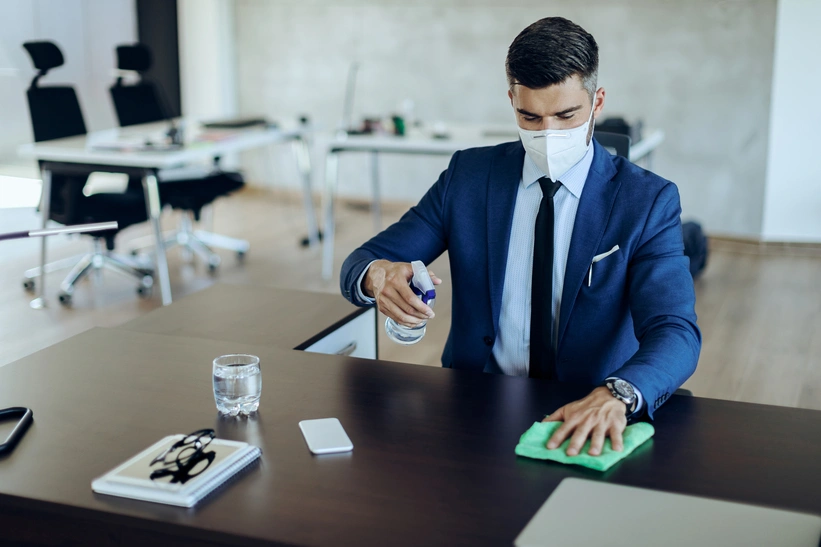
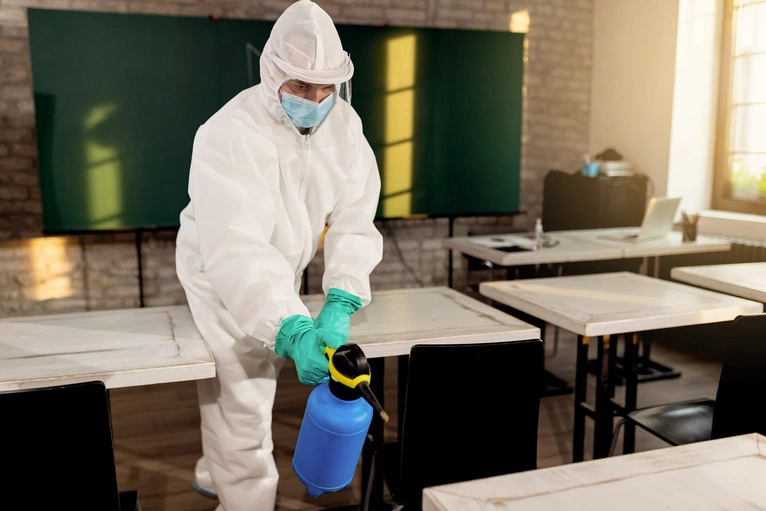
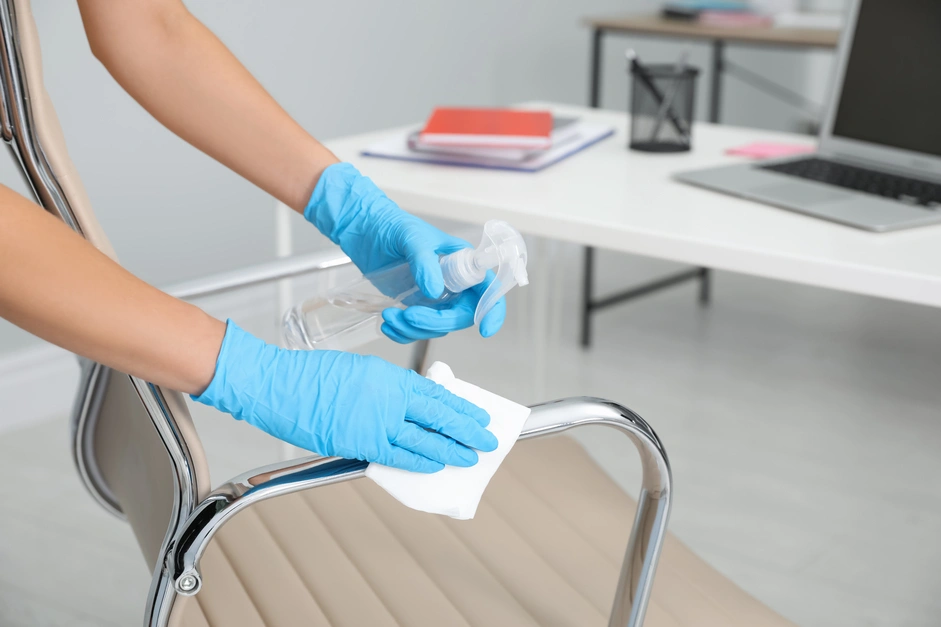
High-touch areas such as door handles, checkout counters, payment terminals, and shopping carts require frequent disinfection. These areas accumulate germs quickly due to constant customer interaction and must be cleaned multiple times during business hours.
Floor Maintenance and Safety
Retail floors experience heavy foot traffic, which leads to dust, dirt, and occasional spills. A clean floor is not only important for appearance but also for customer safety. Slippery or dirty floors can lead to accidents and negatively impact brand reputation.
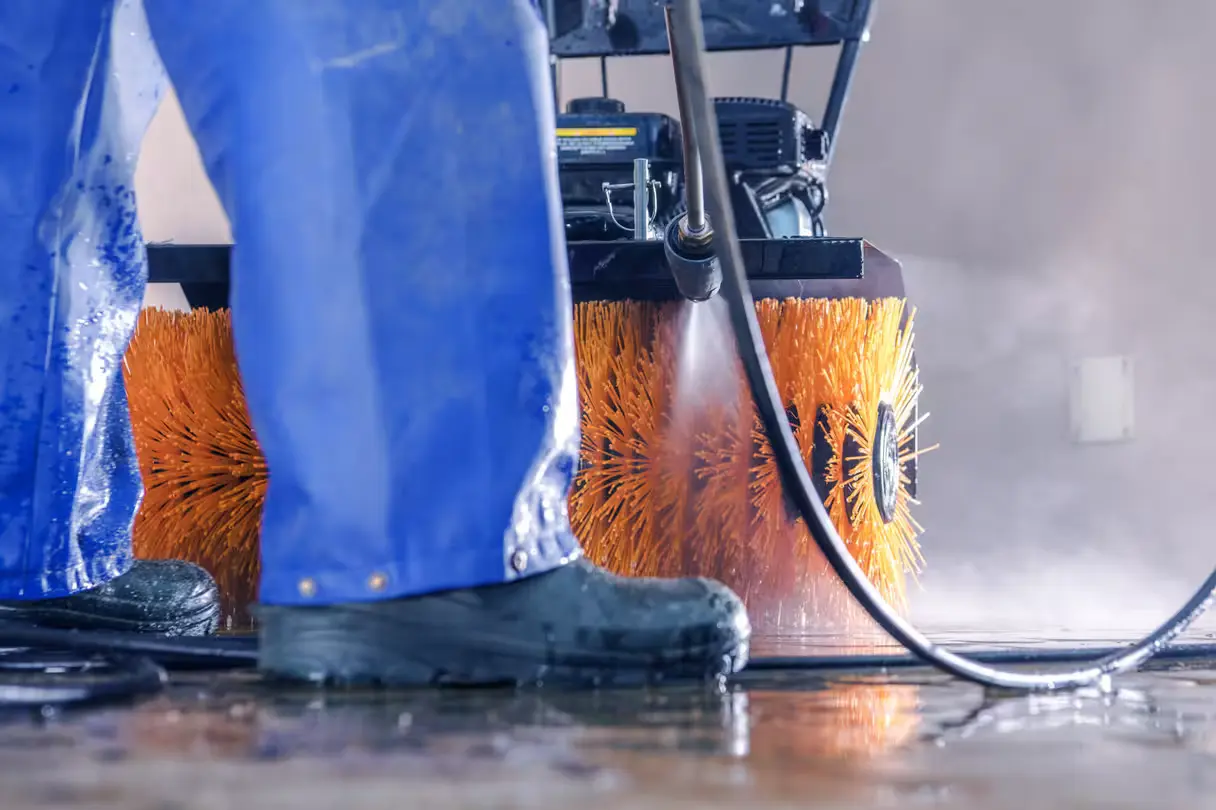
Regular mopping, immediate spill cleanup, and periodic deep cleaning help maintain floor quality. Different flooring materials such as tile, vinyl, or polished concrete require specific cleaning methods to avoid damage and maintain shine.
Product Display and Shelf Cleanliness
Product presentation is a major factor in retail success. Dusty shelves or poorly maintained displays can reduce product appeal and lower perceived value. Clean shelves make products look newer, more attractive, and more desirable.
Retail staff should regularly dust shelves, reorganize products, and ensure that items are properly aligned. This not only improves aesthetics but also helps customers navigate the store more easily.
Restroom Hygiene in Retail Stores
Restrooms in retail environments are often overlooked, yet they play a critical role in customer satisfaction. A clean restroom reflects directly on the overall hygiene standards of the store.
Restrooms should be cleaned multiple times a day depending on customer traffic. This includes disinfecting toilets, sinks, mirrors, and door handles, as well as ensuring soap and tissue supplies are always available.
Fitting Rooms and Customer Areas
Fitting rooms are high-traffic zones that require constant attention. Customers frequently try on clothing, leading to clutter, discarded items, and surface contamination.
Staff should regularly clean fitting rooms, remove unused items, sanitize surfaces, and ensure proper lighting and organization. Clean fitting rooms improve customer comfort and increase the likelihood of purchase decisions.
Checkout Area Cleanliness
The checkout counter is one of the most critical points in a retail store. It is the final interaction point between the customer and the business, making cleanliness here extremely important.
Cash counters, payment machines, and surrounding surfaces should be disinfected frequently. A clean checkout area enhances trust and leaves a lasting positive impression on customers.
Waste Management and Clutter Control
Retail stores generate continuous waste such as packaging materials, receipts, and product packaging. Without proper waste management, clutter can quickly build up and negatively affect store appearance.
Trash bins should be emptied regularly, and clutter should be removed from aisles and storage areas. A clean and organized environment improves navigation and enhances overall shopping experience.
Seasonal and Peak Hour Cleaning Strategy
Retail stores experience seasonal rushes during holidays, sales events, and weekends. During these peak times, cleaning frequency must increase to handle higher customer traffic.
Additional staff or cleaning shifts may be required to ensure that floors, shelves, and restrooms remain clean throughout the day. Proper planning helps maintain consistency even during busy periods.
Impact on Sales Performance
Cleanliness has a direct impact on sales performance. Customers are more likely to spend time in a store that feels fresh, organized, and well-maintained. Clean environments encourage browsing, which increases product exposure and sales opportunities.
On the other hand, unclean stores can reduce customer retention and drive potential buyers to competitors. Maintaining high cleanliness standards is therefore a direct investment in revenue growth.
Staff Responsibility and Training
Retail cleaning is not only the responsibility of cleaning staff but also store employees. Basic cleanliness practices such as keeping shelves organized, cleaning spills immediately, and maintaining personal work areas contribute to overall store hygiene.
Training staff to follow cleaning protocols ensures consistency and reduces the burden on dedicated cleaning teams. Clear responsibility distribution improves efficiency and accountability.
Professional Cleaning Support
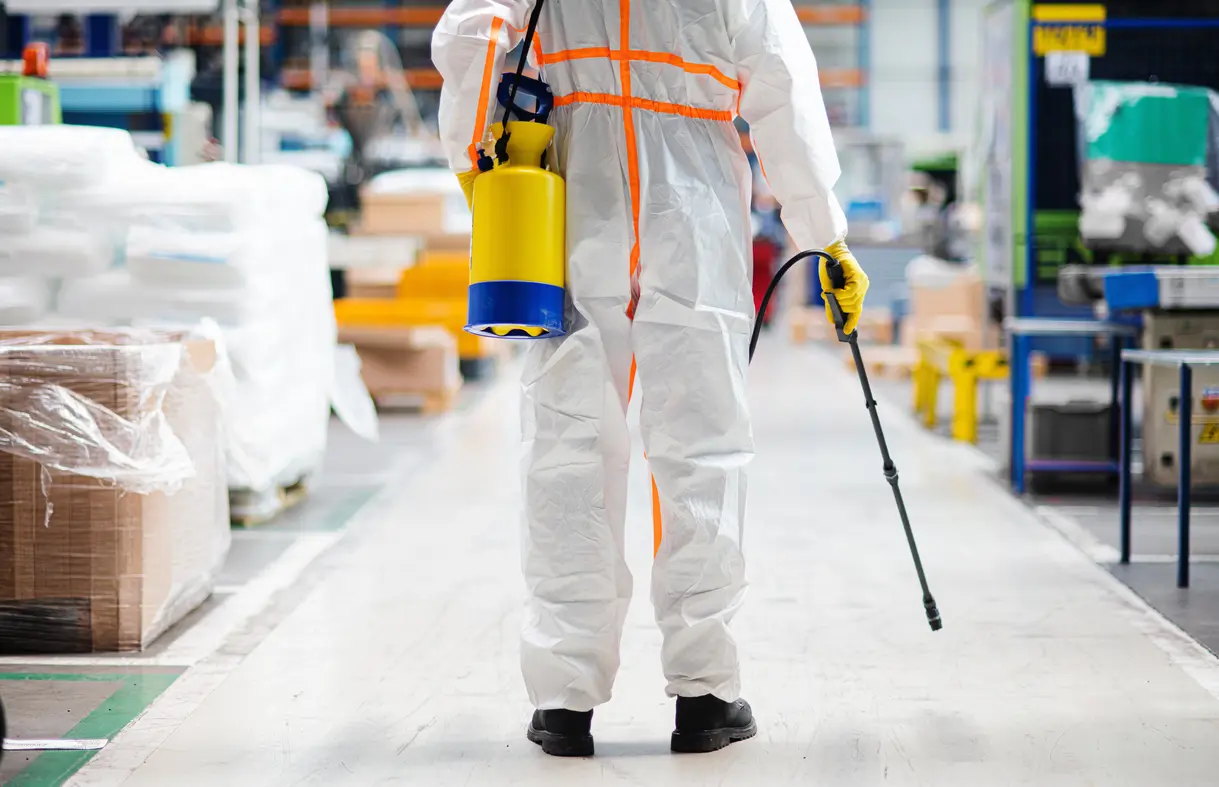
Many retail businesses hire professional cleaning services to maintain higher hygiene standards. These services provide deep cleaning, floor treatment, window cleaning, and sanitation that go beyond daily maintenance.
Professional support ensures that stores remain consistently clean, especially during high-traffic periods or promotional events. This helps maintain brand image and customer satisfaction.
Conclusion
Retail store cleaning is a critical component of business success. It directly influences customer behavior, sales performance, and brand perception. A clean, organized, and well-maintained store creates a positive shopping experience that encourages repeat visits and higher spending.
By implementing structured cleaning routines, maintaining high hygiene standards, and ensuring consistent upkeep of all store areas, retail businesses can significantly improve both customer satisfaction and overall profitability.