



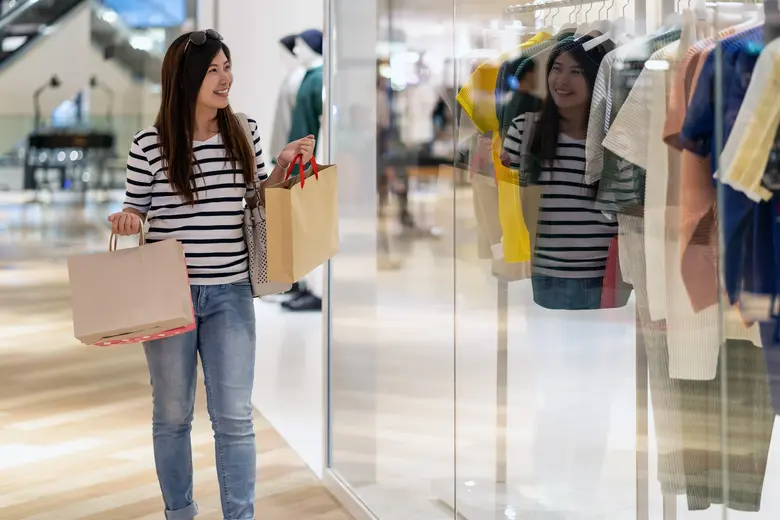
Cleanliness in retail spaces is often underestimated, yet it plays one of the most powerful roles in influencing customer behavior. When a customer walks into a store, they are not just evaluating products—they are evaluating the entire environment. A clean, organized, and well-maintained retail space creates an immediate sense of trust, comfort, and professionalism that directly impacts buying decisions.
In competitive retail markets like Chicago, customers have endless options. This means even small details, such as dust on shelves or dirty floors, can push them toward competitors. Clean stores don’t just look better—they perform better in terms of customer retention, time spent inside the store, and overall sales conversion.
First Impressions Shape Buying Decisions
The first few seconds after entering a store determine whether a customer feels comfortable or not. A clean entrance, polished floors, and well-arranged displays instantly signal that the business is professional and trustworthy. On the other hand, cluttered aisles or visible dirt can create doubt about product quality.
Customers often associate cleanliness with quality. If a store is clean, they assume the products are also well-maintained. This psychological connection plays a major role in influencing purchase decisions, especially in fashion, electronics, and lifestyle retail.
Clean Environment Increases Dwell Time
The longer a customer stays inside a store, the higher the chances of purchase. Clean retail environments naturally encourage customers to spend more time browsing. When the space feels fresh, organized, and comfortable, customers are more likely to explore different sections without feeling rushed or distracted.
Dirty or cluttered stores have the opposite effect. Customers tend to leave quickly, even if they initially intended to shop. Cleanliness directly influences how long people are willing to stay inside a store, which ultimately affects revenue.
Improved Product Visibility and Appeal
Products displayed in a clean environment automatically look more attractive. Dust-free shelves, organized racks, and polished display units enhance the visual appeal of merchandise. Cleanliness ensures that products stand out rather than being overshadowed by a messy environment.
Even high-quality products can lose their appeal if presented in a poorly maintained space. Clean retail stores enhance product perception, making items appear newer, more valuable, and more desirable to customers.
Stronger Brand Perception
A retail store is a direct reflection of its brand. Cleanliness communicates professionalism, discipline, and attention to detail. Customers subconsciously associate these qualities with the brand itself.
Brands that maintain clean stores are often perceived as more reliable and premium. This perception builds long-term trust, which is essential for customer loyalty and repeat business. A clean store is essentially a silent marketing tool that reinforces brand identity.
Health and Safety Influence Customer Confidence
Modern customers are highly aware of hygiene standards, especially in shared public spaces. Clean retail stores reassure customers that their health and safety are being prioritized. This is especially important in food retail, clothing stores, and high-traffic shopping centers.
Regular cleaning of high-touch surfaces such as checkout counters, door handles, and payment terminals reduces the spread of germs and increases customer confidence. A visibly clean environment encourages customers to interact more freely with products and staff.
Reduced Customer Complaints and Returns
Cleanliness can also impact operational outcomes such as customer complaints and product returns. In messy environments, products are more likely to get damaged, misplaced, or contaminated, leading to dissatisfaction.
Well-maintained stores reduce these risks by ensuring that products remain in proper condition. Organized spaces also make it easier for customers to find what they need, reducing frustration and improving overall shopping experience.
Positive Emotional Experience
Shopping is not just a transactional activity—it is also an emotional experience. Clean and well-organized environments create a sense of calm and comfort. Customers feel more relaxed, which encourages better decision-making.
On the other hand, dirty or cluttered spaces can create subconscious stress, making customers less likely to engage with products or staff. A clean store environment contributes to a positive emotional journey, which directly supports sales performance.
Impact on Repeat Customers
Repeat customers are the backbone of any retail business. Cleanliness plays a major role in whether customers choose to return or not. A consistently clean store builds trust and reliability over time.
Customers are more likely to revisit stores where they feel comfortable and valued. Clean environments reinforce this feeling, turning occasional buyers into loyal customers.
Employee Performance and Morale
Clean stores not only benefit customers but also employees. Staff working in clean environments tend to be more motivated, efficient, and customer-focused. A well-maintained workplace reduces stress and improves productivity.
Employees also take more pride in their work when the store environment is clean and organized. This positive attitude reflects in customer interactions, further improving the shopping experience.
Competitive Advantage in Retail Markets
In highly competitive retail industries, small differences can make a big impact. Cleanliness can be a deciding factor between two similar stores. Customers are naturally drawn to environments that feel more organized and welcoming.
Retailers who invest in regular cleaning gain a strong competitive advantage. They create a shopping environment that stands out, even if product pricing or selection is similar to competitors.
Role of Professional Cleaning Services
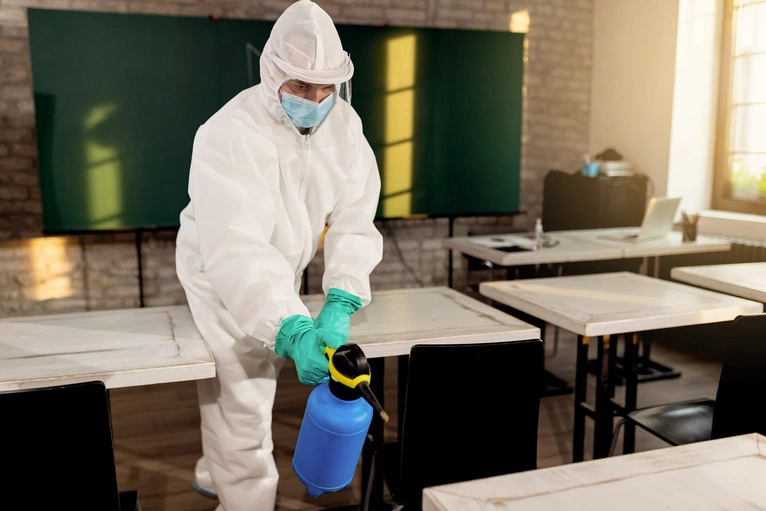
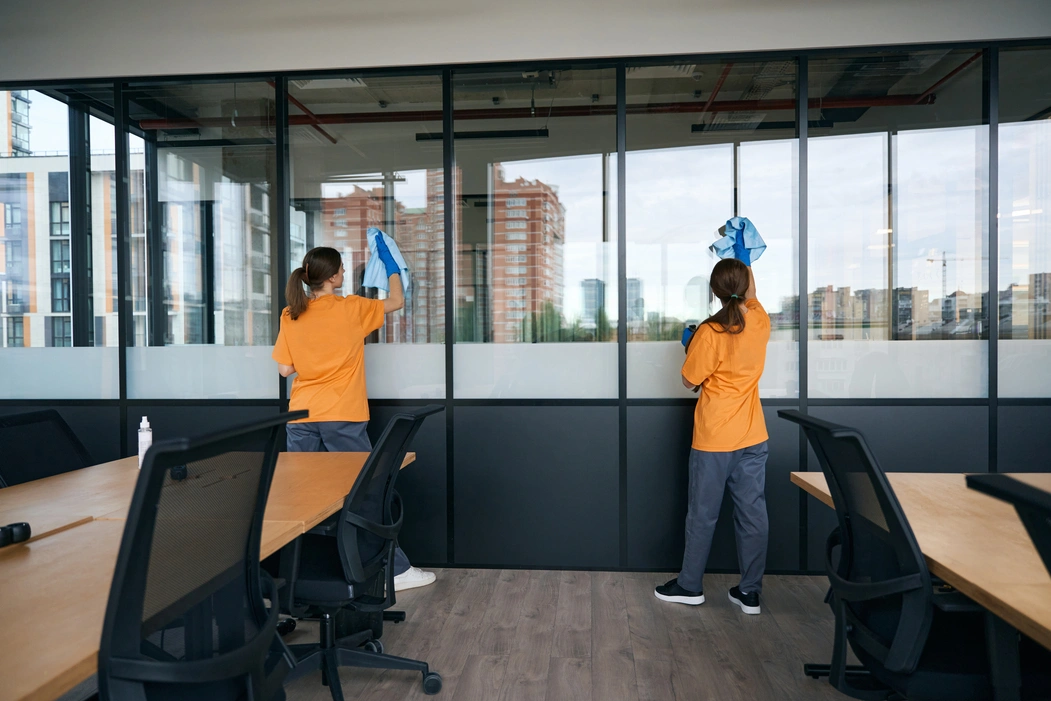
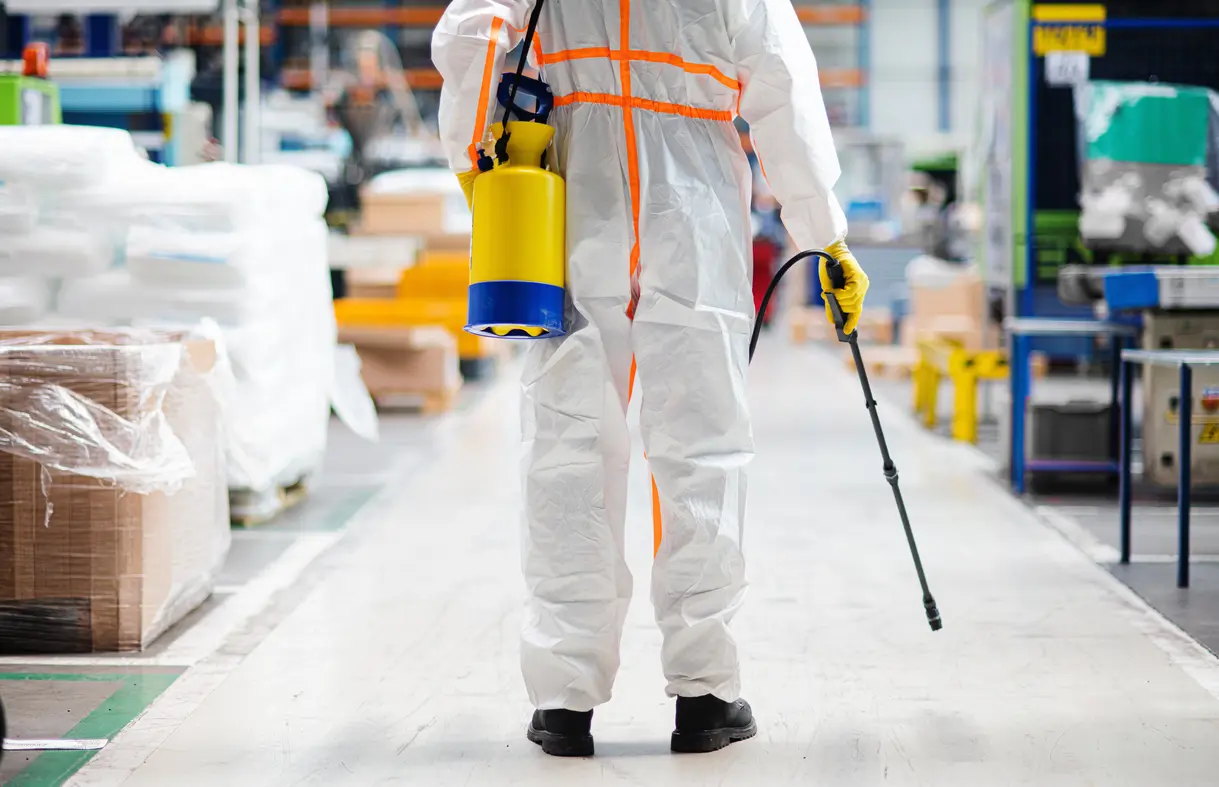
While daily in-house cleaning is important, professional cleaning services ensure deeper hygiene standards. These services handle tasks such as floor polishing, deep sanitization, glass cleaning, and high-level maintenance that regular staff may not manage effectively.
Professional cleaning ensures consistency and helps retail stores maintain a high standard of presentation at all times. This is especially important for stores with high foot traffic or premium branding.
Conclusion
Clean retail stores attract more customers because they create trust, comfort, and a positive shopping experience. From first impressions to long-term brand loyalty, cleanliness influences every stage of the customer journey.
In competitive markets, maintaining a clean environment is not optional—it is a strategic business decision that directly impacts sales, reputation, and customer retention. A clean store is not just a better-looking store; it is a better-performing store.