

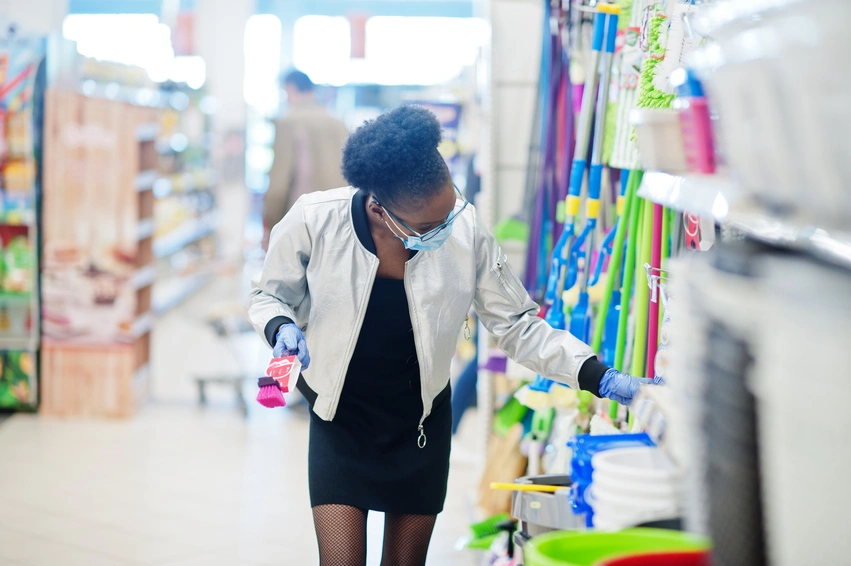
Running a retail store successfully is not just about products, pricing, or marketing—it heavily depends on how well the physical space is maintained on a daily basis. A structured daily cleaning checklist ensures that the store remains presentable, hygienic, and ready for customers at all times. In fast-paced retail environments like those in Chicago, where customer traffic fluctuates throughout the day, consistency in cleanliness becomes a direct factor in sales performance and customer satisfaction.
A daily cleaning routine is not a luxury; it is a necessity for maintaining brand image and operational efficiency. Without a proper system, important tasks get missed, leading to clutter, dirt buildup, and a poor shopping experience. A well-designed checklist helps store owners and staff stay organized and ensures no area is overlooked.
Opening Routine Cleaning Tasks
The cleaning process should begin before the store opens to customers. This sets the foundation for a clean and welcoming environment. Floors should be swept or vacuumed to remove dust and debris that may have accumulated overnight. Entrance areas must be cleaned thoroughly as they are the first point of contact for customers.
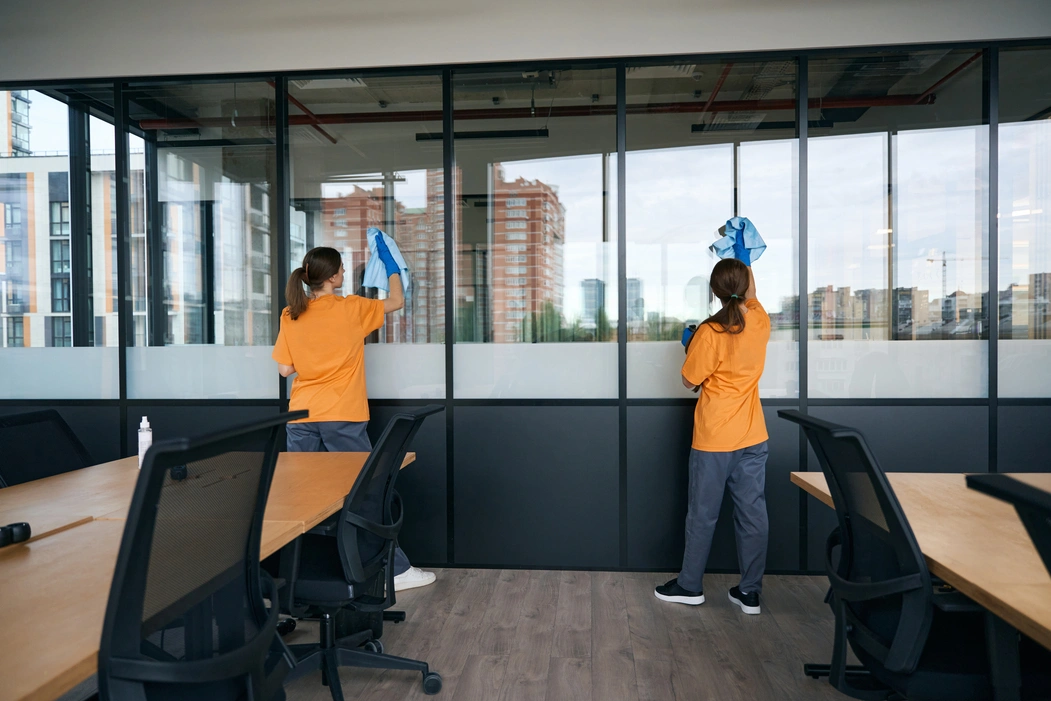
Glass doors and windows should be wiped down to remove fingerprints and smudges. Display shelves must be checked for dust and reorganized if necessary. This ensures that products are presented in the best possible way from the moment the store opens.
Floor Cleaning and Maintenance
Floors in retail stores experience constant foot traffic, making them one of the most important areas to maintain. A daily checklist should include sweeping, mopping, and spot cleaning throughout the day.
Spills must be addressed immediately to avoid slip hazards and stains. Depending on the flooring type, appropriate cleaning solutions should be used to maintain shine and durability. Clean floors not only improve safety but also enhance the overall appearance of the store.
Checkout Counter Hygiene
The checkout counter is one of the most frequently touched areas in any retail store. Customers interact with payment systems, counters, and staff in this space, making it a high-risk zone for germs and clutter.
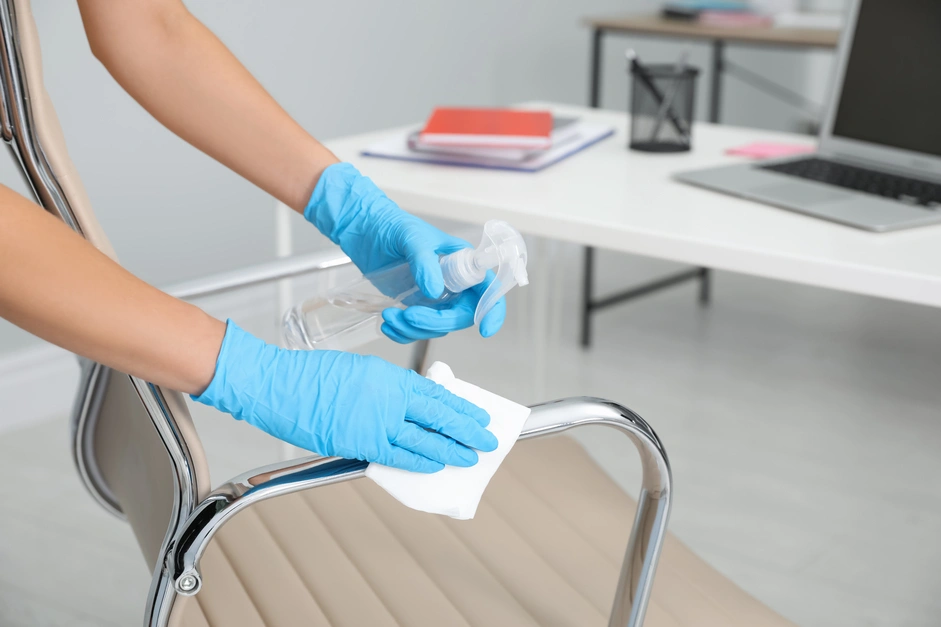
Daily cleaning should include disinfecting the counter surface, payment terminals, and surrounding areas multiple times throughout the day. Keeping this area clean ensures a professional checkout experience and builds customer trust.
Shelf and Product Area Organization
Product shelves should be inspected daily to ensure items are properly arranged and free from dust. Disorganized shelves can negatively impact product visibility and reduce sales potential.
Staff should straighten products, remove damaged packaging, and ensure pricing labels are accurate. Clean and organized shelves make it easier for customers to find what they need and improve the overall shopping experience.
Fitting Room Cleaning
Fitting rooms require special attention in retail environments, especially in clothing stores. These areas often accumulate discarded clothing, dust, and general clutter throughout the day.
A daily cleaning checklist should include regular inspection, removal of unused items, and surface disinfection. Mirrors should be cleaned to maintain clarity, and floors should be kept free from debris. Clean fitting rooms improve customer comfort and encourage more purchases.
Restroom Maintenance
Restrooms are a critical part of retail cleanliness standards. Customers often judge a business based on restroom hygiene, making it essential to maintain high standards throughout the day.
Daily tasks include cleaning toilets, sinks, mirrors, and floors, as well as restocking supplies such as soap, tissue, and hand sanitizers. Regular checks ensure that restrooms remain clean and functional during operating hours.
High-Touch Surface Disinfection
Retail environments contain multiple high-touch points that require frequent cleaning. These include door handles, shopping carts, elevator buttons, and product testers.
Disinfecting these surfaces multiple times a day reduces the spread of germs and improves customer safety. Using effective cleaning solutions ensures that bacteria and viruses are eliminated efficiently.
Trash Management and Waste Disposal
Proper waste management is essential for maintaining a clean retail environment. Trash bins should be emptied regularly to prevent overflow and unpleasant odors.
Waste should be properly segregated and disposed of according to store policies. Clean and empty bins contribute to a more organized and hygienic shopping environment.
Midday Cleaning Checks
Retail stores experience peak hours during the day, making midday cleaning essential. This includes quick floor checks, restroom inspections, and restocking cleaning supplies if needed.
High-traffic areas should be monitored closely to ensure cleanliness is maintained throughout business hours. Small but consistent efforts during the day help maintain overall store standards.
Closing Routine Cleaning Tasks
At the end of the business day, a final cleaning routine ensures the store is ready for the next day. This includes a thorough sweep or vacuum, mopping floors, cleaning counters, and organizing merchandise.
Trash bins should be emptied, and all surfaces should be wiped down. A clean closing routine ensures that the store starts fresh every morning without accumulated dirt or clutter.
Staff Responsibility and Coordination
Daily cleaning is most effective when responsibilities are clearly assigned to staff members. Each employee should understand their role in maintaining cleanliness throughout the day.
Coordination ensures that cleaning tasks are completed efficiently without disrupting customer service. A shared responsibility approach helps maintain consistent cleanliness standards.
Role of Professional Cleaning Support
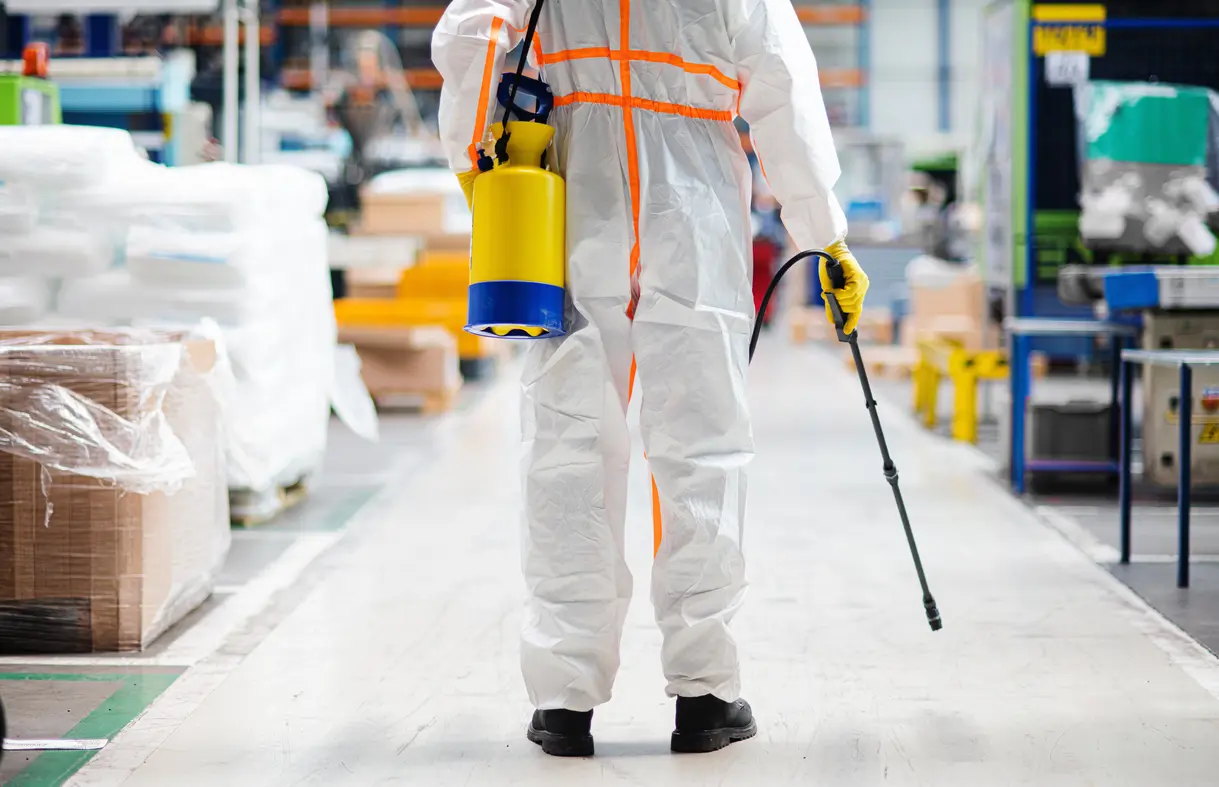
While daily internal cleaning is essential, professional cleaning services provide deeper maintenance on a scheduled basis. These services handle tasks such as deep floor cleaning, window washing, and sanitization that go beyond daily routines.
Combining daily checklists with professional cleaning ensures a consistently high standard of hygiene and presentation.
Conclusion
A daily retail cleaning checklist is a fundamental tool for maintaining store cleanliness, organization, and customer satisfaction. It ensures that every part of the store is consistently maintained, from opening to closing.
When implemented properly, it improves customer experience, enhances product presentation, and supports overall business success. Cleanliness in retail is not just maintenance—it is a direct driver of sales and brand reputation.