



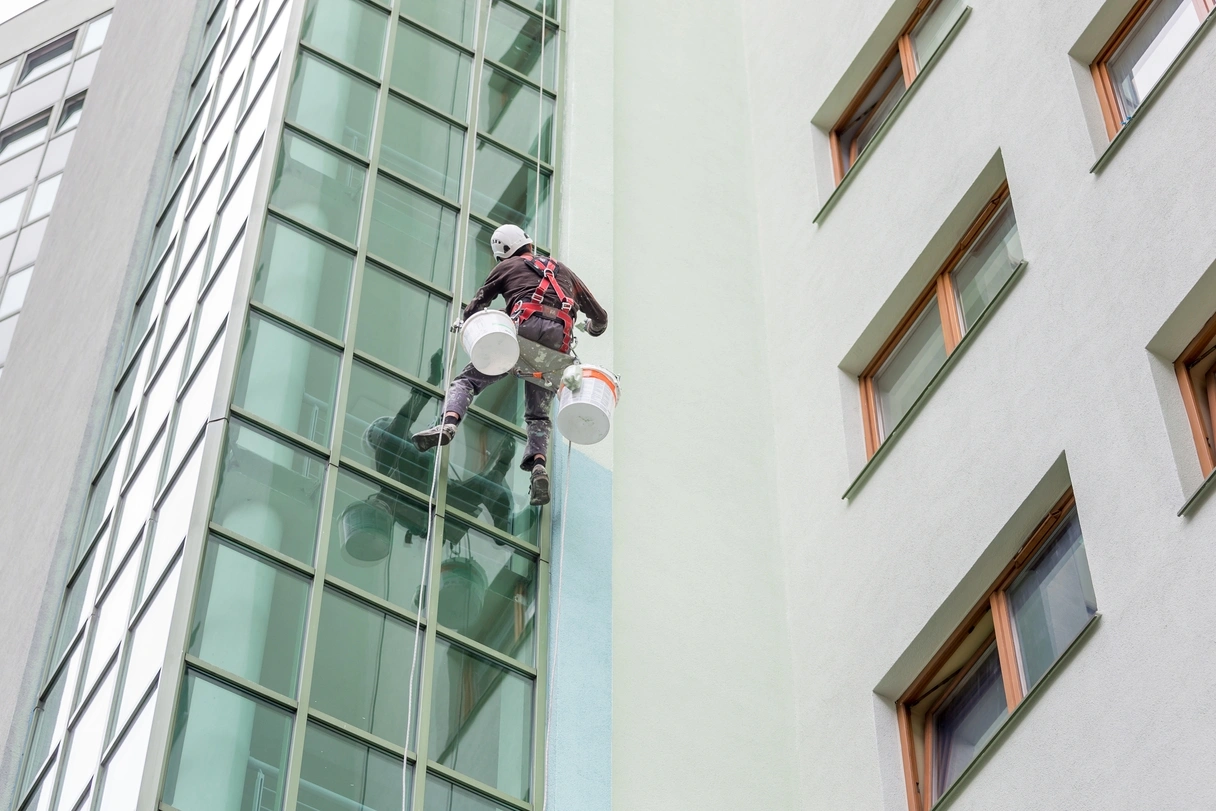
High-rise cleaning is one of the most technically demanding and high-risk tasks in commercial maintenance. It involves cleaning windows and exterior surfaces of tall buildings where workers are exposed to height, weather conditions, and complex equipment. In cities with dense skylines like Chicago, high-rise cleaning is essential for maintaining building appearance, but it must always be done with strict safety protocols.
Unlike standard cleaning tasks, high-rise work requires specialized training, certified equipment, and strict compliance with safety regulations. A single mistake at height can lead to severe consequences, which is why safety is always the top priority.
Proper Use of Safety Harness Systems
A full-body safety harness is the most critical piece of equipment in high-rise cleaning. It must be worn correctly at all times and securely attached to approved anchor points.
Harness systems are designed to prevent falls and reduce impact in case of sudden movement or slip. Regular inspection of straps, buckles, and connectors is essential before every use to ensure reliability.
Anchor Point Inspection and Strength
Anchor points are the fixed structures that support cleaning equipment and worker safety lines. These must be professionally installed and tested for load-bearing capacity.
Before starting any high-rise cleaning task, anchor points should be inspected for corrosion, cracks, or structural weaknesses. Using uncertified anchor points significantly increases risk and is strictly avoided in professional cleaning operations.
Use of Proper Rope Access Techniques
Rope access systems are commonly used in high-rise cleaning for controlled descent and movement along building surfaces. These systems require specialized training and certification.
Technicians must understand rope tension, descent control, and emergency procedures. Dual-rope systems are often used for added safety—one working rope and one backup safety line.
Weather Condition Monitoring
Weather plays a major role in high-rise cleaning safety. Strong winds, rain, lightning, or icy conditions can make exterior cleaning extremely dangerous.
Work should only be carried out in stable weather conditions. Wind speed limits are strictly followed, and operations are paused immediately if conditions become unsafe.
Use of Certified Safety Equipment
All equipment used in high-rise cleaning must meet industry safety standards. This includes helmets, harnesses, ropes, carabiners, and safety lanyards.
Equipment should be inspected regularly for wear and tear. Damaged or expired safety gear must be replaced immediately to prevent accidents.
Training and Certification of Workers
High-rise cleaning should only be performed by trained and certified professionals. Workers must be educated in rope access systems, fall protection, and emergency response procedures.
Ongoing training ensures that staff stay updated with the latest safety techniques and equipment usage standards.
Communication Systems During Operation
Clear communication is essential when working at heights. Workers often rely on radios or hand signals to coordinate movements and report issues.
Ground support teams play a critical role in monitoring operations and providing immediate assistance if needed. Strong communication reduces risk and improves coordination.
Use of Weather-Resistant Clothing
Appropriate clothing is important for comfort and safety during high-rise cleaning. Workers must wear non-slip footwear, weather-resistant gear, and protective gloves.
Clothing should not interfere with harness systems or rope access equipment. Proper gear helps maintain grip, balance, and protection from environmental conditions.
Fall Protection Systems
Fall protection is the foundation of high-rise safety. In addition to harnesses, secondary systems such as safety nets and lifelines are often used.
These systems are designed to minimize injury risk in case of equipment failure or human error. Multiple layers of protection are standard practice in professional cleaning operations.
Emergency Response Planning
Every high-rise cleaning operation must include a clear emergency response plan. This includes rescue procedures, first aid readiness, and evacuation strategies.
Ground teams are trained to respond quickly in case of accidents or equipment failure. Regular drills help ensure preparedness for unexpected situations.
Equipment Load Management
Carrying excessive weight while suspended at height can increase risk and reduce mobility. Tools and cleaning supplies must be carefully managed and secured.
Lightweight, efficient equipment is preferred to reduce strain and improve control during cleaning operations.
Surface and Glass Inspection Before Cleaning
Before starting work, building surfaces and glass panels should be inspected for cracks, loose fittings, or structural damage.
Cleaning damaged surfaces can be dangerous and may worsen existing issues. Proper inspection ensures safe working conditions and prevents accidents.
Role of Professional Cleaning Companies
High-rise cleaning should always be handled by professional companies with experience in vertical access systems. These companies follow strict safety protocols and use certified equipment.
Professional teams reduce risk, ensure compliance with regulations, and deliver consistent cleaning results without compromising safety.
Conclusion
High-rise cleaning is a specialized task that requires strict safety measures, proper training, and certified equipment. From harness systems to weather monitoring, every step plays a role in protecting workers at height.
When safety protocols are followed correctly, high-rise cleaning becomes a controlled and efficient process that maintains building appearance without compromising human safety.