




Cleaning an office or workspace doesn’t always have to take a lot of time. Most of the delay comes from inefficient habits, not the cleaning itself. With the right approach, businesses can keep spaces clean while reducing the time spent on maintenance. In fast-paced work environments like those in Chicago, time-saving cleaning strategies are essential for productivity and workflow efficiency.
The key is to clean smarter, not harder—using simple systems, tools, and habits that prevent mess and speed up routine tasks.
Use Microfiber Cloths Instead of Traditional Materials
Microfiber cloths are one of the fastest ways to clean surfaces. Unlike regular cloths, they trap dust and dirt instead of spreading it around.
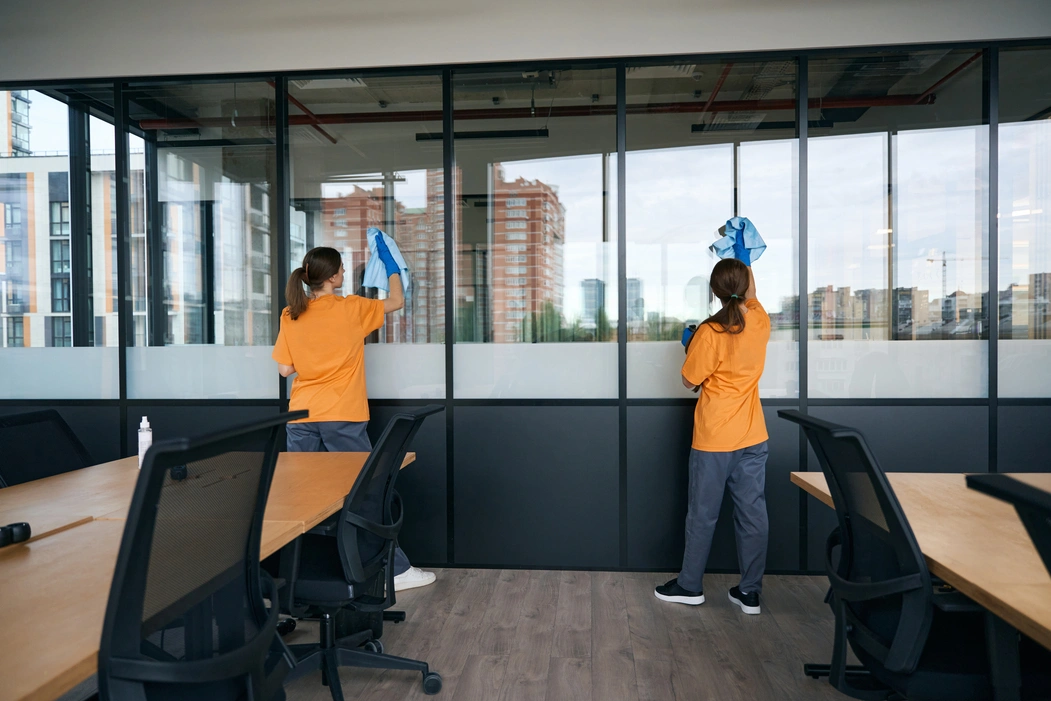
This reduces the need for repeated wiping and saves time during daily cleaning tasks. They are especially useful for desks, screens, and glass surfaces.
Adopt a “Clean as You Go” Method
One of the most effective time-saving habits is cleaning while working instead of waiting for mess to build up.
Small actions like wiping spills immediately, throwing away trash on the spot, or organizing items after use prevent larger cleaning tasks later. This reduces deep cleaning time significantly.
Keep Cleaning Supplies in Every Area
Time is often wasted walking back and forth to fetch cleaning tools. Placing basic supplies like wipes, sprays, and cloths in multiple locations speeds up the process.
When cleaning tools are easily accessible, tasks are completed immediately instead of being delayed.
Use Multi-Purpose Cleaning Products
Switching to multi-surface cleaning products reduces the need to switch between different cleaners for different areas.
These products can be used on desks, glass, and general surfaces, saving both time and effort during cleaning routines.
Implement a 10-Minute Daily Reset
A short daily cleaning routine is more effective than long, infrequent cleaning sessions. A 10-minute reset at the end of the day keeps the workspace consistently clean.
This includes organizing desks, wiping surfaces, and clearing unnecessary items. It prevents clutter from building up over time.
Use Cordless Cleaning Tools
Cordless vacuums and handheld cleaning devices save time by removing the hassle of plugging, unplugging, and managing cables.
They allow quick movement between areas, making cleaning faster and more flexible in office environments.
Organize Workspaces to Reduce Cleaning Time
A well-organized workspace naturally takes less time to clean. When items have a fixed place, there is less clutter to manage.
Using storage drawers, shelves, and labeled organizers reduces surface mess and speeds up daily cleaning tasks.
Clean High-Traffic Areas First
Focusing on high-traffic areas like entrances, hallways, and shared spaces first ensures the most visible areas are cleaned quickly and effectively.
This prioritization helps maintain a clean appearance even when time is limited.
Use Spray-and-Wipe Techniques
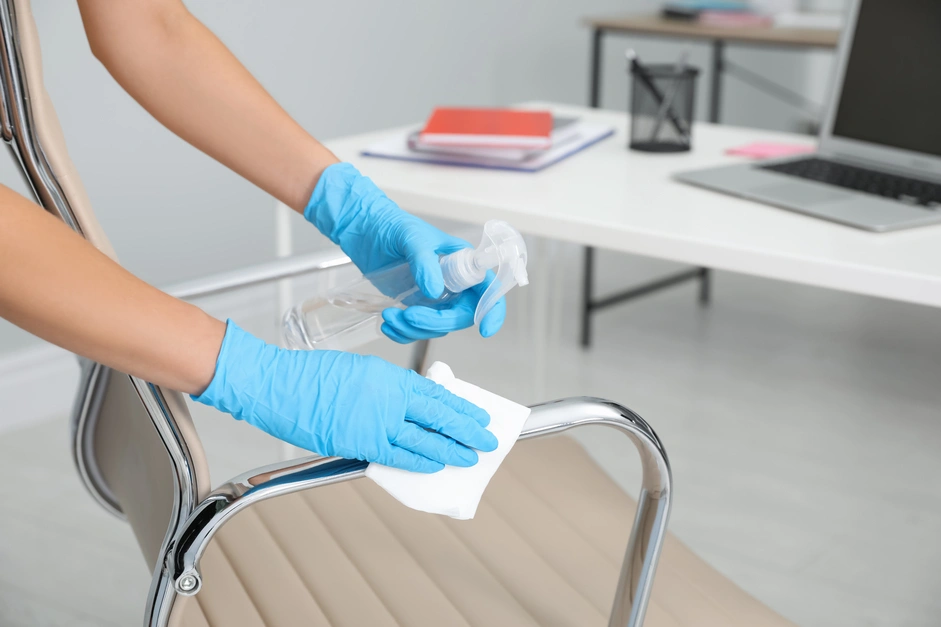
Instead of multiple cleaning steps, spray-and-wipe methods simplify the process. Apply cleaner directly and wipe immediately using microfiber cloths.
This reduces cleaning time and eliminates unnecessary steps like soaking or repeated scrubbing for light dirt.
Set a Cleaning Schedule Instead of Cleaning Randomly
Without structure, cleaning becomes inefficient and time-consuming. A fixed schedule ensures tasks are done systematically.
When cleaning is predictable, it becomes faster because routines are repeated and improved over time.
Reduce Paper Clutter with Digital Systems
Paper clutter is one of the biggest time-wasters during cleaning. Sorting, organizing, and filing physical documents takes extra effort.
Using digital storage and cloud systems reduces physical mess and speeds up workspace maintenance.
Delegate Small Cleaning Tasks
Cleaning becomes faster when responsibilities are shared. Assigning small tasks to employees prevents buildup and reduces workload on a single person.
Even simple habits like cleaning personal desks or organizing shared areas save significant time overall.
Use Trash Bins Strategically
Placing trash bins in convenient locations prevents unnecessary walking and reduces mess buildup on desks.
This encourages immediate disposal of waste, keeping the workspace cleaner with minimal effort.
Batch Similar Cleaning Tasks Together
Grouping similar tasks reduces time wasted switching between different activities. For example, cleaning all desks at once instead of individually throughout the day is more efficient.
This method improves focus and reduces repeated setup time.
Keep Surfaces Minimal and Easy to Clean
The fewer items on a surface, the faster it can be cleaned. Minimal setups reduce dust accumulation and make wiping more efficient.
This is especially useful in office desks and meeting rooms where time efficiency matters.
Conclusion
Time-saving cleaning is not about doing less—it’s about doing things smarter. Small changes in habits, tools, and organization can significantly reduce cleaning time while maintaining a high standard of cleanliness.
When applied consistently, these hacks improve workplace efficiency, reduce maintenance effort, and keep office environments clean with minimal disruption.