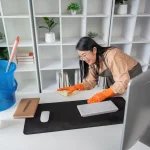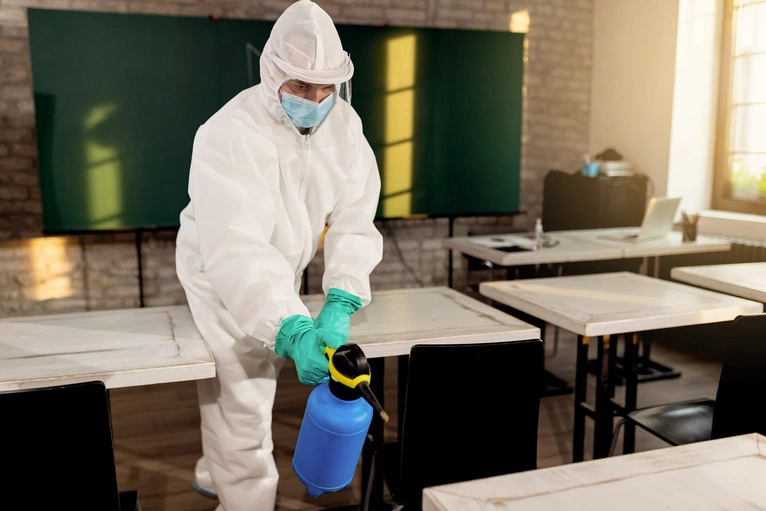


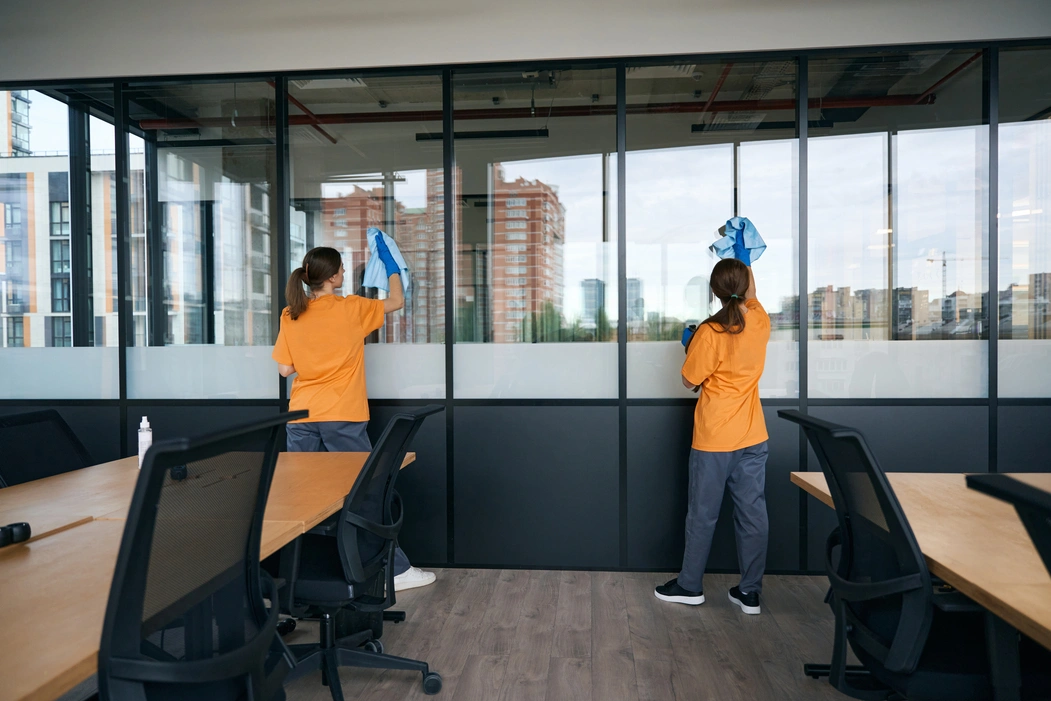
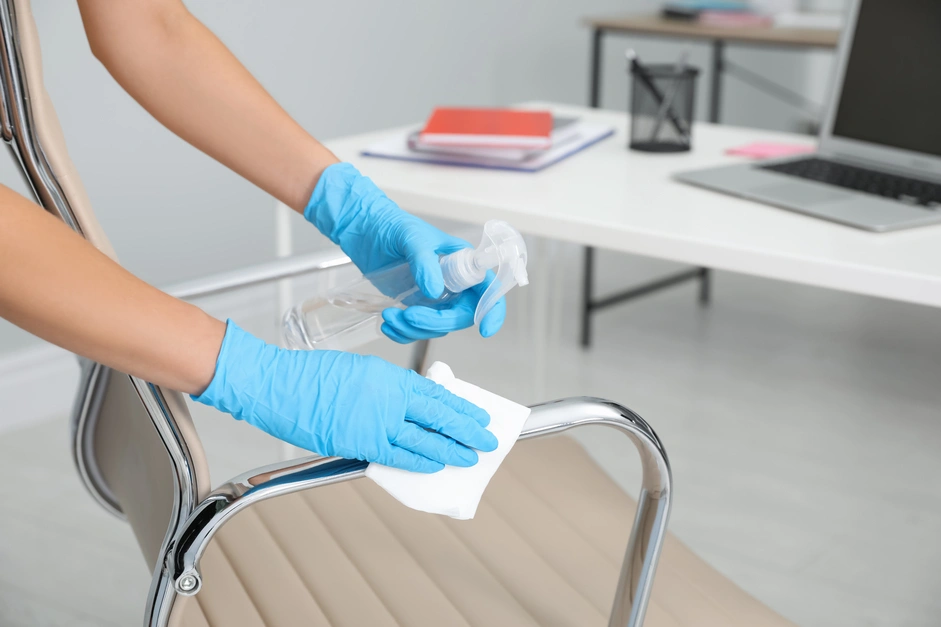


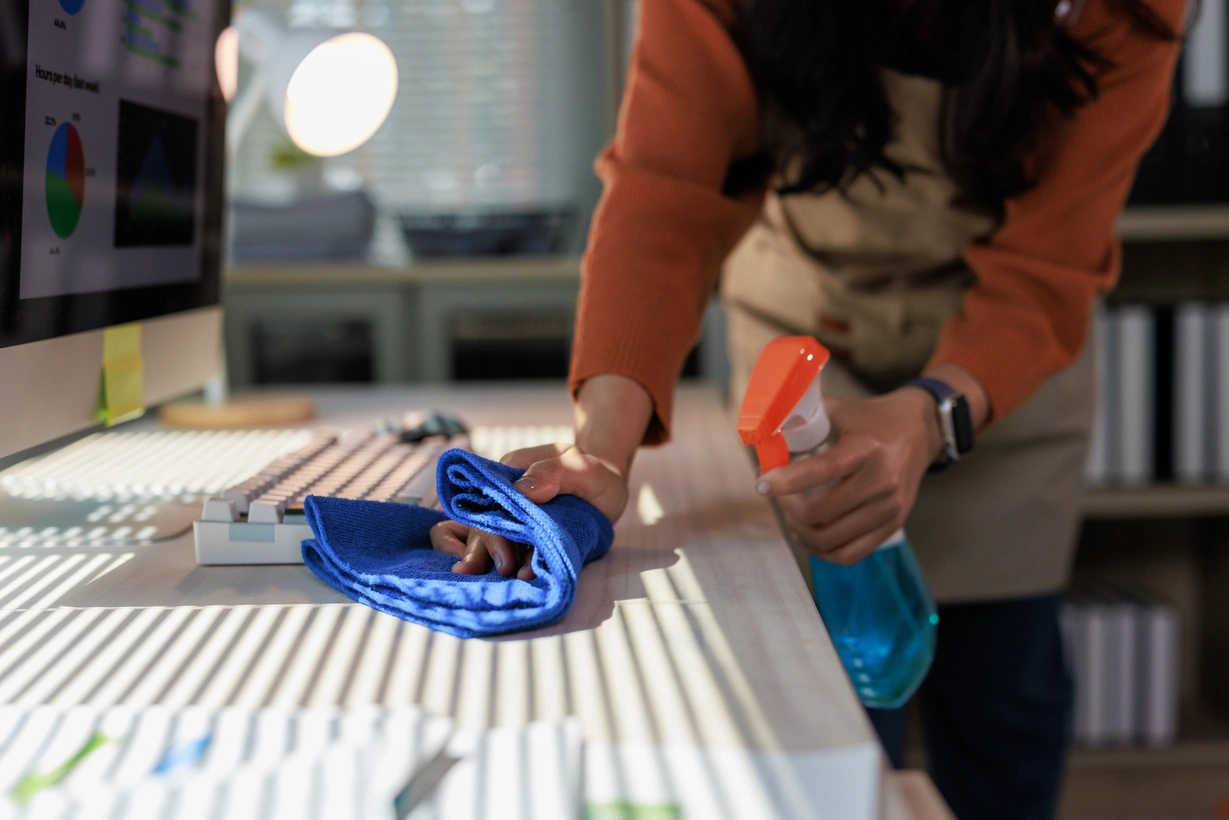
Keeping a workspace clean doesn’t have to feel like a constant struggle or a time-consuming task. The reality is, most office mess builds up from small habits repeated daily—cluttered desks, ignored spills, and delayed tidying. When these small issues are controlled early, maintaining a clean workspace becomes simple and almost automatic.
In busy office environments like those in Chicago, where multiple employees share space and time is limited, the key is not “deep cleaning every day” but building easy, consistent habits that prevent mess in the first place.
Start with a Minimal Desk Setup
A clean workspace begins with how the desk is set up. The more items placed on a desk, the more surfaces there are to collect dust and create clutter. Keeping only essential items on the desk reduces visual mess and makes daily cleaning easier.
Storage solutions like drawers, organizers, and cable management tools help keep unnecessary items out of sight. A minimal setup naturally stays cleaner for longer periods without extra effort.
Adopt the “End-of-Day Reset” Habit
One of the simplest ways to maintain cleanliness is resetting the workspace at the end of each day. This means clearing unnecessary papers, organizing tools, and wiping the desk surface before leaving.
This habit ensures that employees return to a clean workspace every morning, which improves focus and reduces the feeling of disorder. It also prevents clutter from accumulating over time.
Clean as You Go Instead of Delaying Tasks
One of the biggest reasons workspaces become messy is delayed cleaning. Small spills, scattered documents, or used items are often ignored and left for later.
Cleaning as you go prevents buildup. For example, wiping a spill immediately or putting away items after use takes only seconds but saves time and effort later. This approach keeps the workspace consistently manageable.
Use Simple Desk Organization Systems
Organization plays a major role in maintaining cleanliness. A well-organized desk reduces the chances of clutter forming in the first place.
Using labeled folders, drawer dividers, and desk trays helps separate different types of items. When everything has a designated place, maintaining order becomes effortless.
Reduce Paper Clutter with Digital Tools
Paper is one of the most common sources of workspace mess. Documents, notes, and printed materials can quickly pile up if not managed properly.
Switching to digital tools for note-taking, file storage, and communication reduces physical clutter significantly. Cloud storage systems help keep important documents organized without occupying desk space.
Keep Cleaning Supplies Within Reach
Small cleaning tools should always be accessible in the workspace. Items like disinfectant wipes, microfiber cloths, and small trash bins make it easy to clean instantly when needed.
When cleaning supplies are nearby, employees are more likely to maintain cleanliness instead of postponing it. Convenience plays a major role in building consistent habits.
Implement a “One-Minute Rule”
The one-minute rule is simple: if a cleaning task takes less than one minute, it should be done immediately. This includes throwing away trash, organizing papers, or wiping small spots.
This rule prevents small tasks from piling up into larger cleaning jobs. Over time, it significantly reduces overall workspace mess.
Maintain a Clean Shared Environment
In shared offices, cleanliness is a collective responsibility. Common areas like meeting rooms, kitchens, and reception spaces should be used responsibly.
Employees should clean up after themselves, return items to their place, and avoid leaving personal clutter in shared zones. This keeps the entire office environment organized and professional.
Control Cable and Device Clutter
Modern workspaces often include multiple devices, chargers, and cables that can create visual mess. Poor cable management makes even a clean desk look disorganized.
Using cable organizers, clips, and wireless devices where possible helps reduce clutter. A clean setup improves both appearance and functionality.
Schedule Light Daily Maintenance
Instead of waiting for weekly deep cleaning, small daily maintenance tasks keep the workspace consistently clean. This includes wiping surfaces, emptying bins, and organizing items.
These tasks take only a few minutes but prevent long-term buildup of dirt and clutter.
Encourage Personal Responsibility
Clean workspaces are easier to maintain when individuals take responsibility for their own areas. Each employee should manage their desk and surrounding space.
This reduces dependency on cleaning staff and creates a culture of accountability and respect for shared environments.
Use Simple Storage Solutions
Storage is one of the most effective ways to maintain cleanliness. Without proper storage, even small items can create clutter quickly.
Using shelves, cabinets, and organizers ensures that everything has a place, making it easier to keep surfaces clear and organized.
Keep Visual Simplicity in Mind
A visually simple workspace is easier to maintain and feels more comfortable. Too many objects, decorations, or supplies can create unnecessary distraction and mess.
Keeping the workspace visually clean helps improve focus and makes cleaning routines more effective.
Role of Professional Cleaning Services
While daily habits maintain surface cleanliness, professional cleaning services handle deeper tasks such as carpet cleaning, window washing, and sanitization.
This combination ensures that the workspace remains clean at both surface and deep levels, supporting a healthier and more professional environment.
Conclusion
Maintaining a clean workspace doesn’t require complicated systems—it requires simple, consistent habits. Small daily actions, combined with smart organization and personal responsibility, make cleanliness easy to maintain.
When these practices are followed consistently, the workspace stays organized, productive, and visually professional with minimal effort.