


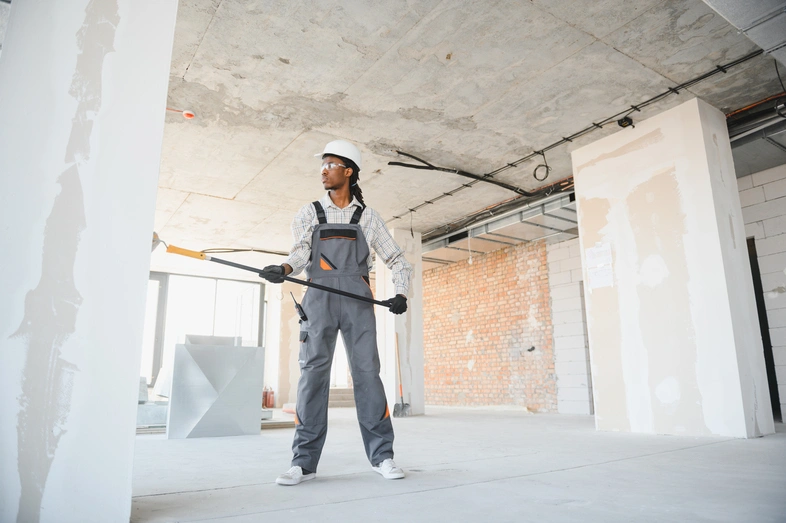
Post-construction cleaning is the specialized process of removing dust, debris, and leftover materials after a building project is completed. It is the final step before a space is considered safe, presentable, and ready for occupancy. Whether it’s a newly built office, renovated retail store, or industrial facility, this type of cleaning ensures the property transitions from a construction site to a usable environment.
Unlike regular cleaning, post-construction cleaning deals with heavy dust buildup, adhesive residues, paint splatters, and construction waste that require professional tools and techniques.
Purpose of Post-Construction Cleaning
The main purpose of post-construction cleaning is to prepare a newly built or renovated space for safe use. Construction activities leave behind fine dust, sharp debris, and potentially hazardous materials that must be properly removed.
This cleaning process ensures the environment is hygienic, visually clean, and safe for employees, customers, or residents.
Initial Rough Cleaning Phase
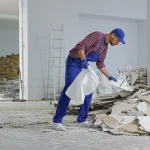
The first stage is rough cleaning, where large debris and construction waste are removed. This includes leftover materials such as wood pieces, drywall scraps, packaging, nails, and other construction remnants.
This step clears the space so detailed cleaning can begin safely and efficiently.
Dust Removal and Surface Cleaning
Construction dust is one of the most persistent challenges in post-construction cleaning. Fine particles settle on floors, walls, ceilings, vents, and fixtures.
Professional cleaners use industrial vacuums, microfiber cloths, and HEPA-filter equipment to remove dust without spreading it further into the air.
Deep Cleaning of Floors
Floors require intensive cleaning depending on the material. Hard surfaces may need scrubbing and polishing, while carpets require vacuuming and extraction cleaning.
This ensures all embedded dust and construction residue are fully removed.
Window and Glass Cleaning
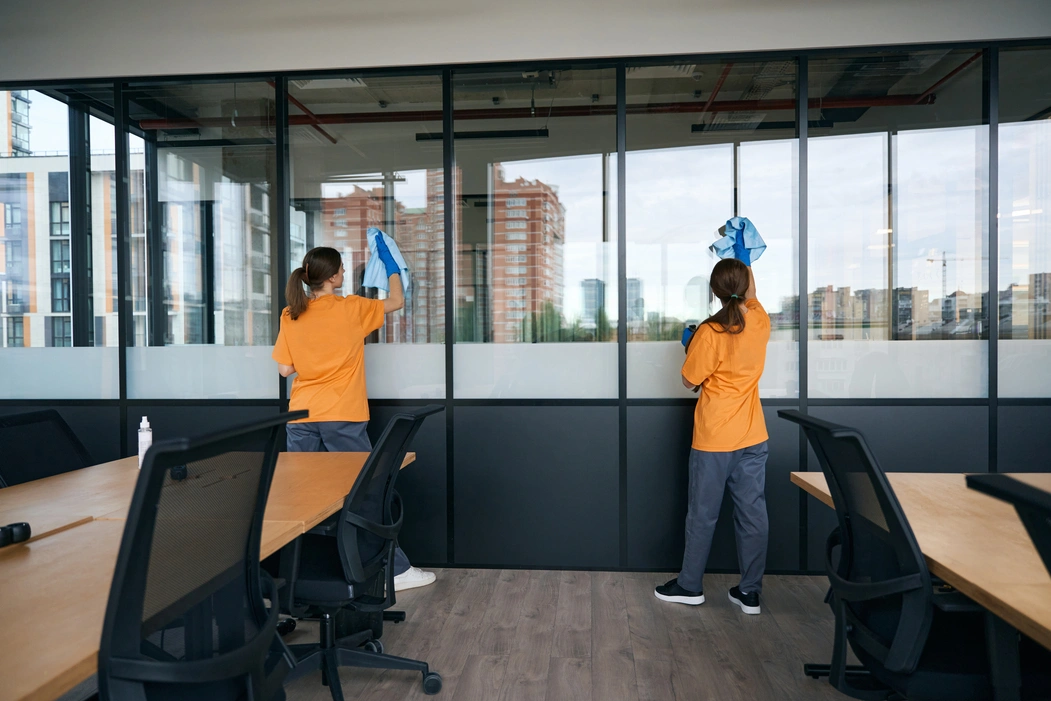
Windows often accumulate paint splashes, adhesive marks, and dust during construction. Specialized glass cleaning techniques are used to restore clarity and remove stubborn residue without scratching surfaces.
This step improves both appearance and natural lighting inside the space.
Paint and Adhesive Removal
Construction projects frequently leave behind paint drops, glue, and stickers on surfaces. These require careful removal using safe solvents and scraping tools.
The goal is to clean without damaging newly installed materials or finishes.
Sanitization of Surfaces
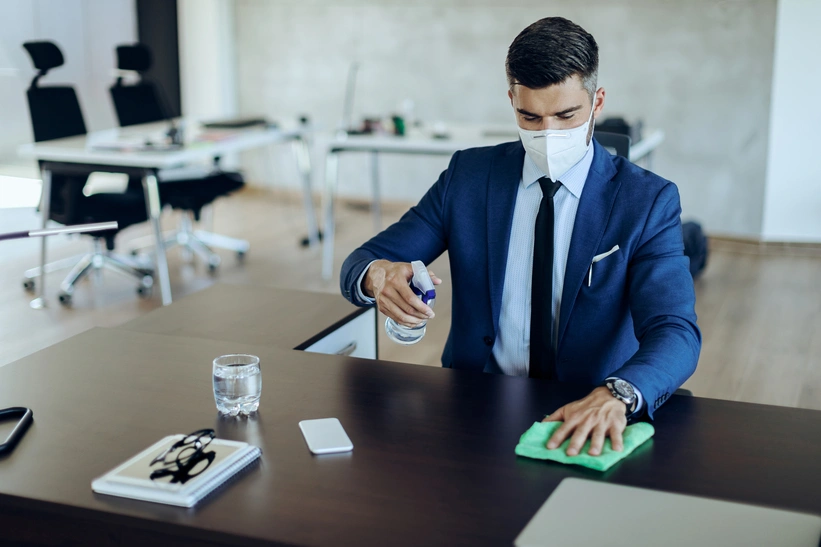
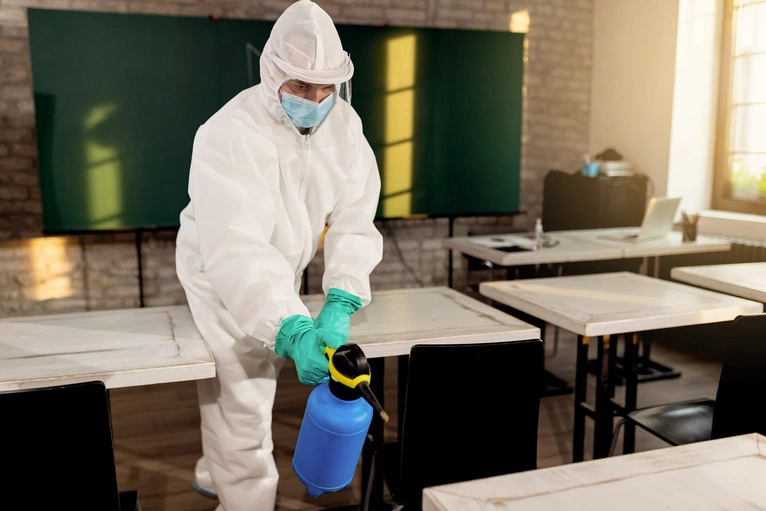
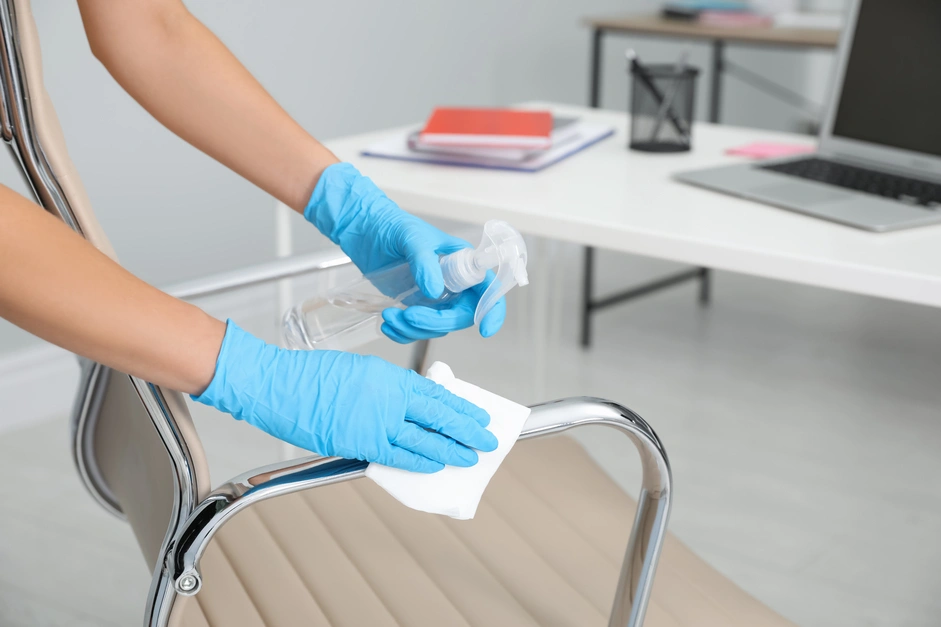
After physical cleaning, surfaces are sanitized to remove any remaining bacteria or contaminants. This is especially important in commercial spaces like offices, healthcare facilities, and retail stores.
Sanitization ensures the environment is not only clean but also safe for occupancy.
Final Detailing Work
Detailing is the finishing stage of post-construction cleaning. It focuses on small areas such as corners, fixtures, vents, baseboards, and light switches.
This step ensures no visible dust or residue is left behind, giving the space a polished, professional appearance.
Air Quality Improvement
Construction dust can remain suspended in the air long after visible cleaning is complete. Air filtration and ventilation cleaning help improve indoor air quality.
This is important for preventing respiratory irritation and ensuring a healthy indoor environment.
Safety Considerations
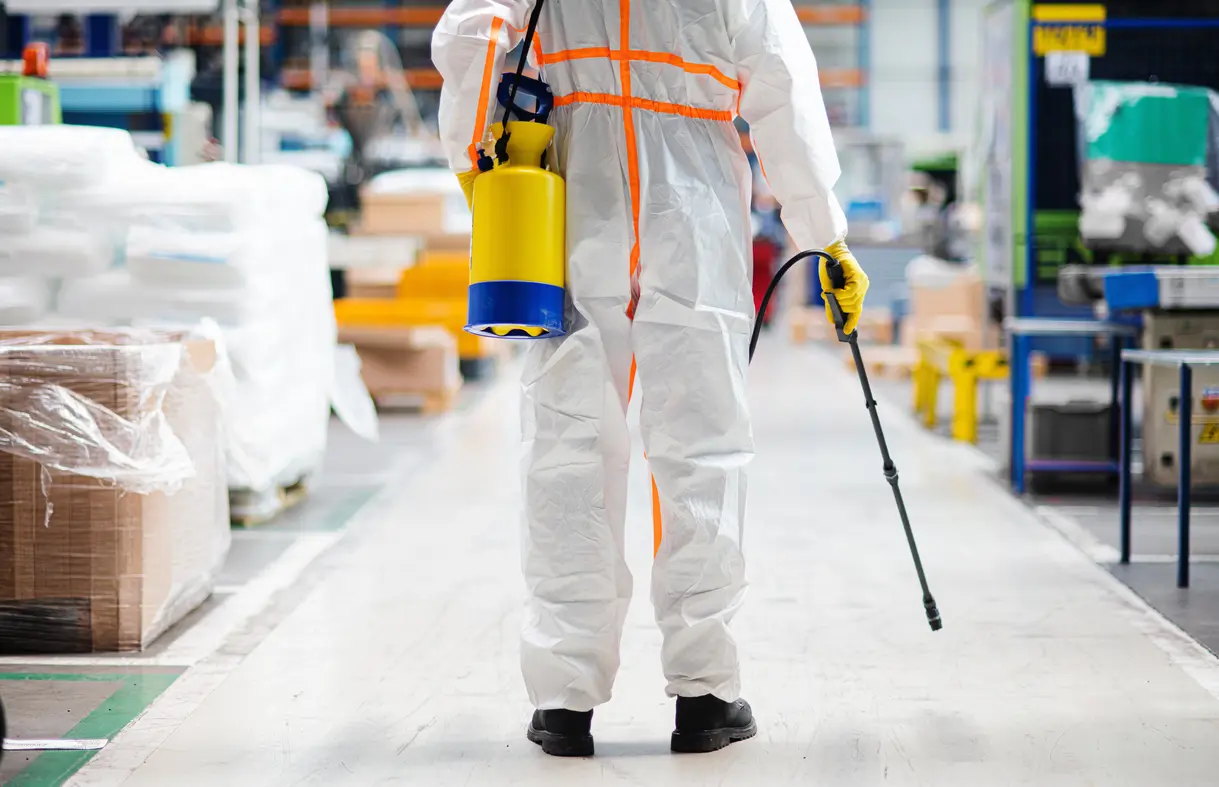
Post-construction sites may contain sharp objects, exposed materials, or chemical residues. Cleaning professionals must follow strict safety protocols while handling these hazards.
Protective gear and proper waste disposal methods are essential to avoid injuries or contamination.
Importance of Professional Equipment
Industrial-grade equipment is often required for effective post-construction cleaning. This includes heavy-duty vacuums, floor scrubbers, pressure washers, and high-reach cleaning tools.
These tools allow cleaners to handle large spaces efficiently while ensuring thorough results.
Time Required for Cleaning
The duration of post-construction cleaning depends on the size of the project and the level of construction work involved. Small office renovations may take a few hours, while large commercial buildings can require multiple days.
Proper planning ensures the cleaning process is completed without delaying occupancy timelines.
Common Challenges
One of the biggest challenges is fine dust that continues to settle even after initial cleaning. Another challenge is removing stubborn construction residues without damaging surfaces.
Access to high or hard-to-reach areas can also complicate the cleaning process in large buildings.
Final Inspection
Before a space is handed over, a final inspection is conducted to ensure all areas are properly cleaned. This includes checking floors, windows, fixtures, and hidden corners.
This step ensures the space meets professional cleanliness standards and is ready for use.
Conclusion
Post-construction cleaning is a critical step in transforming a construction site into a functional and safe environment. It involves detailed cleaning, dust removal, sanitization, and final finishing work to ensure the space is fully ready for occupancy.
Professional cleaning services play an important role in completing this process efficiently, safely, and to a high standard of quality.