

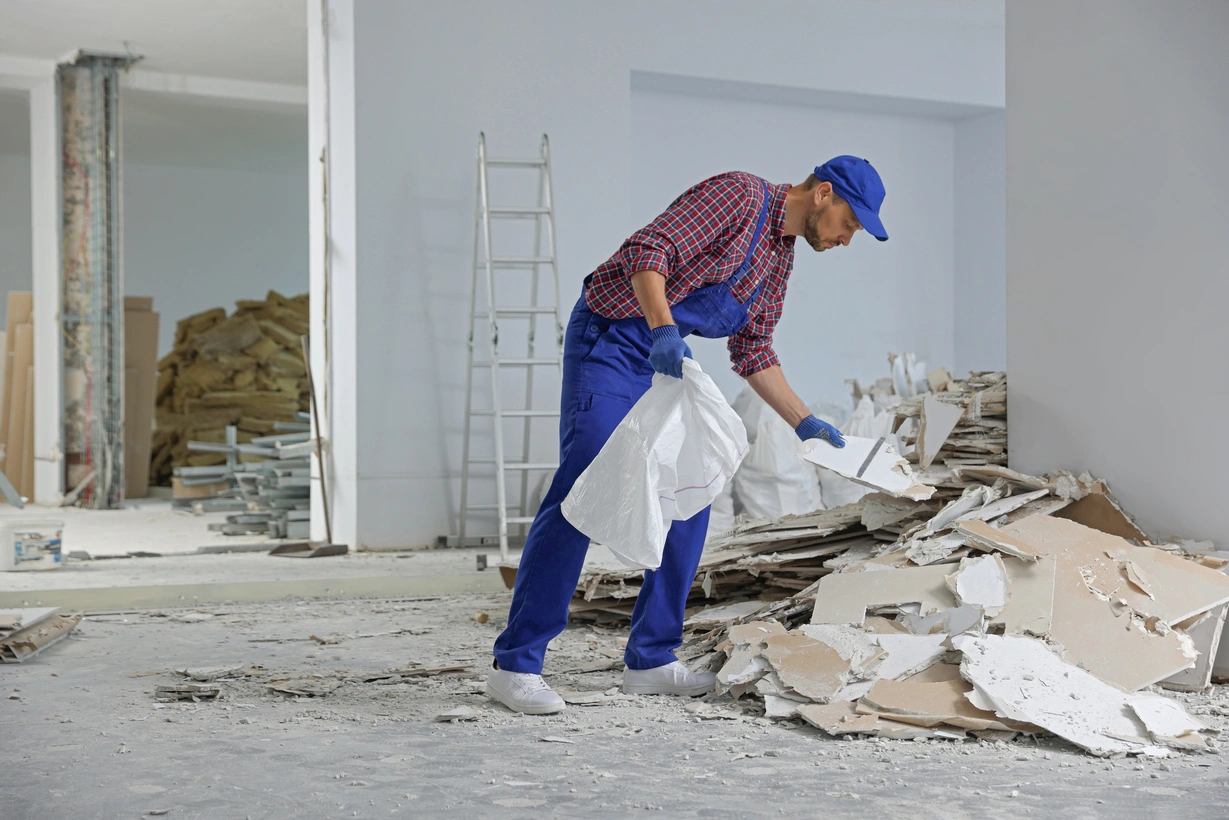
Building cleanup is a structured process used to prepare, maintain, or restore commercial and residential properties to a safe and usable condition. Whether it’s a newly constructed building, a renovated office, or a facility requiring deep maintenance, proper cleanup ensures safety, hygiene, and long-term durability of the space.
The process is not random—it follows a clear sequence of steps designed to remove debris, eliminate dust, sanitize surfaces, and make the building fully operational.
Step 1: Site Inspection and Planning
The first step in building cleanup is a detailed inspection of the site. Cleaning professionals assess the condition of the building, identify problem areas, and determine the level of cleaning required.
This helps in creating a structured plan that defines tasks, equipment needs, and time requirements for efficient execution.
Step 2: Removal of Large Debris
The next step involves clearing out large debris such as construction waste, packaging materials, broken fixtures, and leftover tools.
This step ensures the workspace is safe to move around and prepares the area for more detailed cleaning work.
Step 3: Dust and Dry Cleaning
Once large debris is removed, dry cleaning begins. This includes sweeping, vacuuming, and dusting all surfaces including floors, walls, ceilings, and fixtures.
Construction dust and fine particles are a major concern, so industrial vacuums and microfiber tools are often used for effective removal.
Step 4: Detailed Surface Cleaning
At this stage, all surfaces are cleaned more thoroughly. This includes wiping down walls, countertops, doors, windows, and built-in fixtures.
Any remaining dust, stains, or construction residue is carefully removed to restore a clean appearance.
Step 5: Floor Cleaning and Treatment
Floors require special attention depending on their material. Hard floors may be scrubbed and polished, while carpets may need deep vacuuming or extraction cleaning.
This step ensures that all dirt and embedded particles are fully removed from the flooring system.
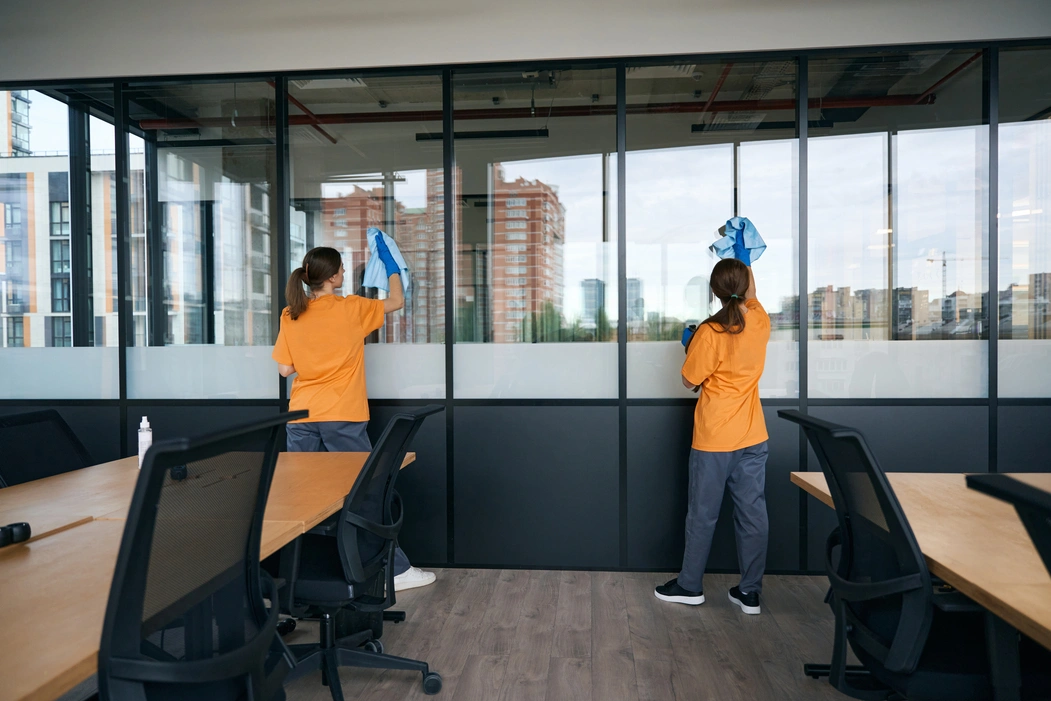
Step 6: Window and Glass Cleaning
Windows and glass surfaces are cleaned to remove dust, smudges, paint spots, and adhesive marks left during construction or renovation.
Professional techniques are used to ensure streak-free clarity and damage-free cleaning of glass surfaces.
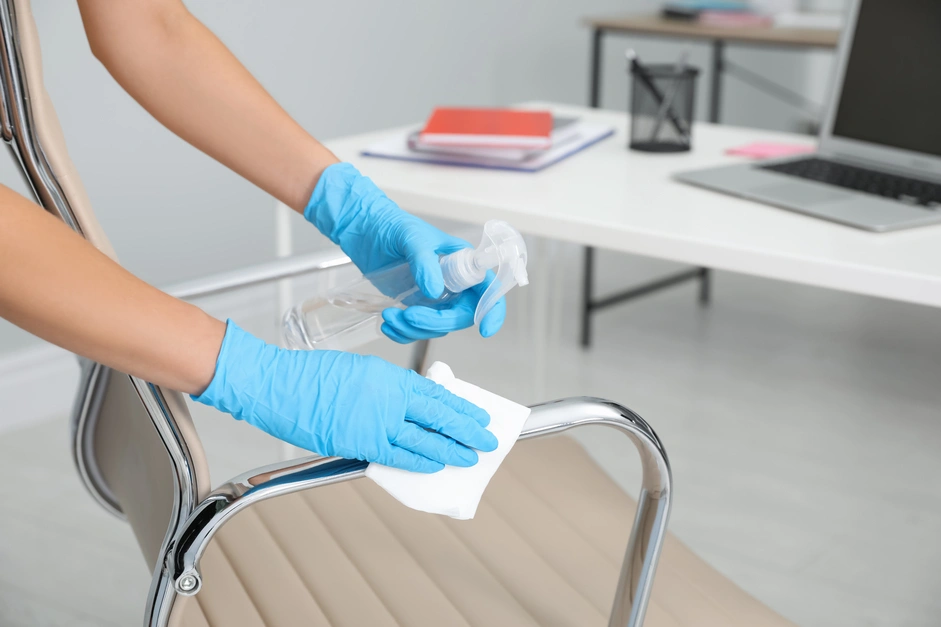
Step 7: Sanitization of High-Touch Areas
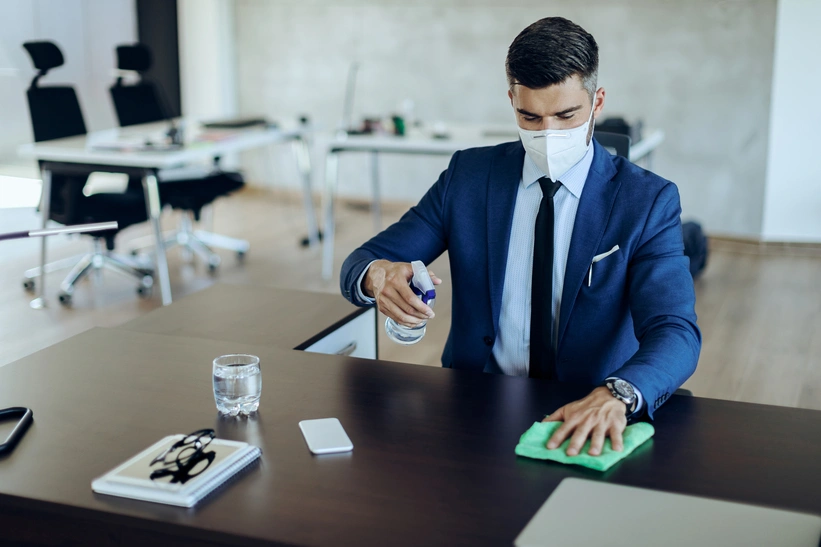
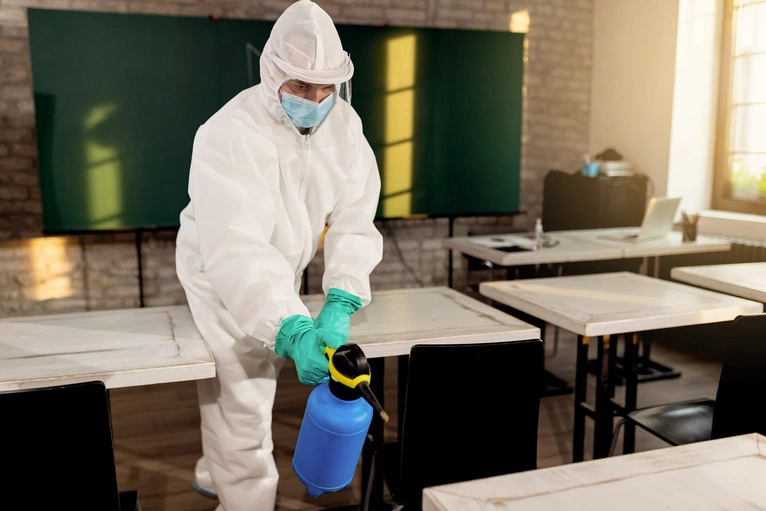
High-touch surfaces such as door handles, switches, railings, and shared equipment are disinfected to eliminate germs and bacteria.
This step is especially important in commercial buildings where multiple people interact with shared spaces.
Step 8: Ventilation and Air Cleaning
Dust and particles often remain in the air and ventilation systems after construction or heavy cleaning. Air ducts, vents, and filters are cleaned to improve indoor air quality.
Proper ventilation also helps remove odors and airborne contaminants.
Step 9: Restroom and Kitchen Cleaning
Restrooms and kitchen areas require deep cleaning and sanitization. These spaces are prone to bacteria buildup and must be thoroughly disinfected.
Sinks, toilets, countertops, and appliances are cleaned to ensure hygiene standards are met.
Step 10: Final Detailing Work
Detailing is the finishing step that focuses on small and often missed areas. This includes corners, edges, baseboards, light fixtures, and hidden spaces.
The goal is to ensure no dust or residue is left behind, creating a fully polished result.
Step 11: Waste Collection and Disposal
All collected waste and cleaning materials are properly disposed of according to safety and environmental regulations.
Proper disposal prevents contamination and ensures compliance with local waste management guidelines.
Step 12: Final Inspection
A final inspection is conducted to ensure all cleaning tasks have been completed to standard. Supervisors check every area for cleanliness, safety, and overall presentation.
This step confirms that the building is ready for occupancy or operational use.
Importance of Following a Structured Process
Following a step-by-step cleanup process ensures efficiency, safety, and consistent results. Skipping steps can lead to missed dirt, safety hazards, or poor indoor air quality.
A structured approach also helps cleaning teams manage time and resources more effectively, especially in large commercial buildings.
Conclusion
Building cleanup is a systematic process that transforms a construction or renovation site into a clean, safe, and functional environment. Each step plays an important role in ensuring thorough cleaning, from debris removal to final inspection.
Professional cleaning teams rely on this structured approach to deliver consistent, high-quality results that meet safety and hygiene standards.