

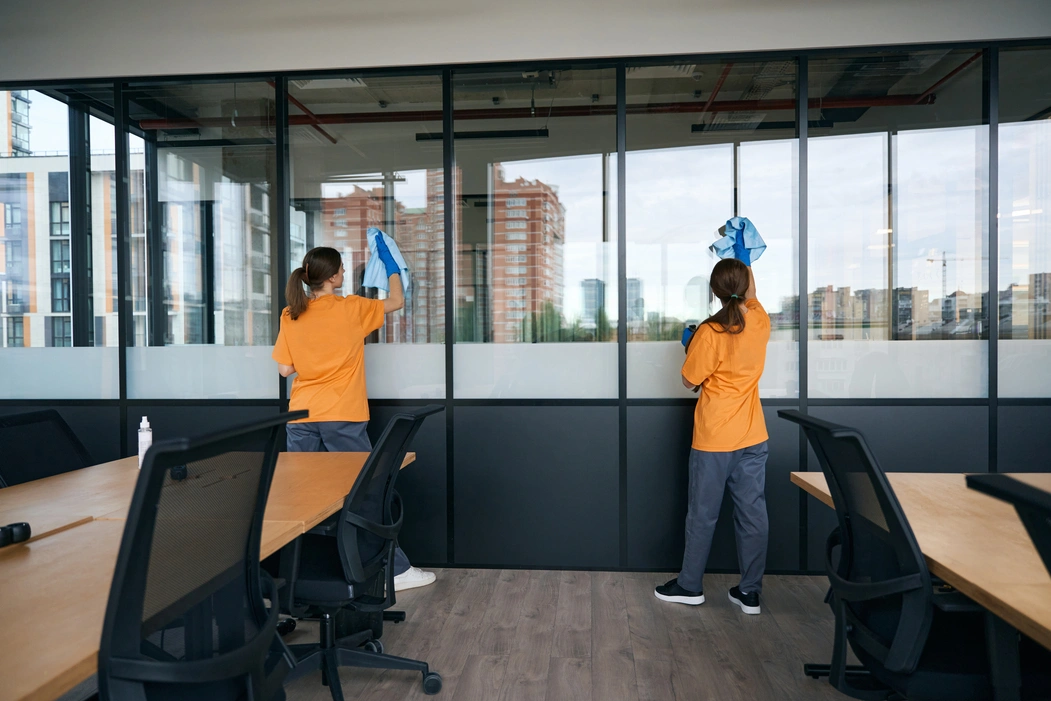

Safety measures during cleanup are essential in any commercial or residential environment, especially in post-construction sites, industrial facilities, and high-traffic buildings. Cleaning may look simple on the surface, but it often involves exposure to sharp objects, chemicals, dust, and unstable surfaces. Without proper precautions, even routine cleanup tasks can become risky.
A structured safety approach protects cleaning staff, building occupants, and the property itself while ensuring work is completed efficiently and without incidents.
Site Assessment Before Starting Work
Every cleanup process should begin with a full site assessment. This helps identify potential hazards such as exposed wiring, broken glass, wet surfaces, or unstable structures.
Understanding the environment in advance allows teams to plan safely and avoid unexpected risks during cleaning operations.
Use of Personal Protective Equipment (PPE)
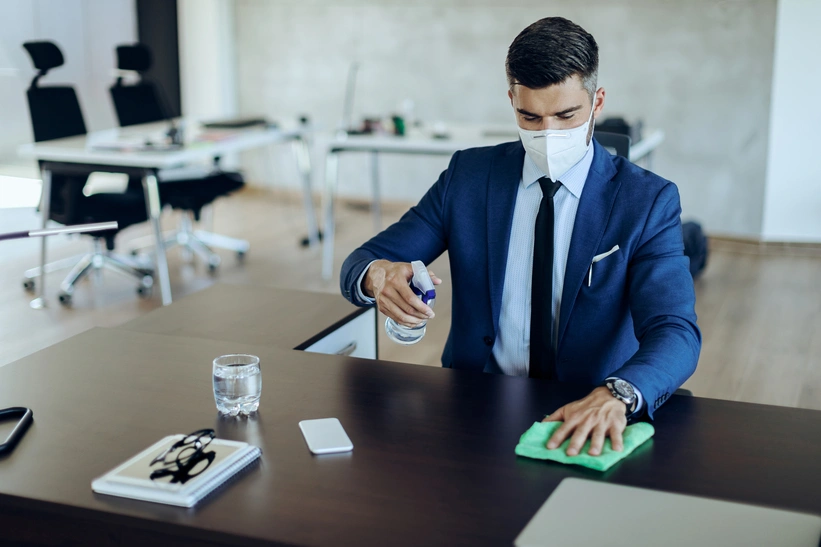
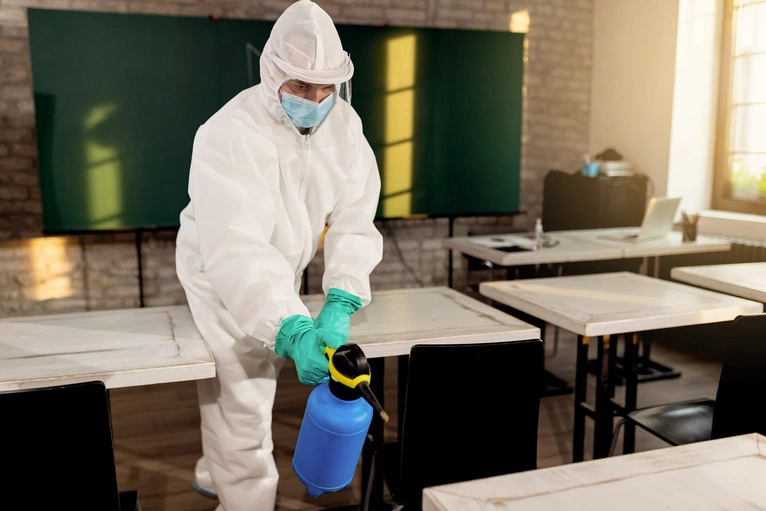
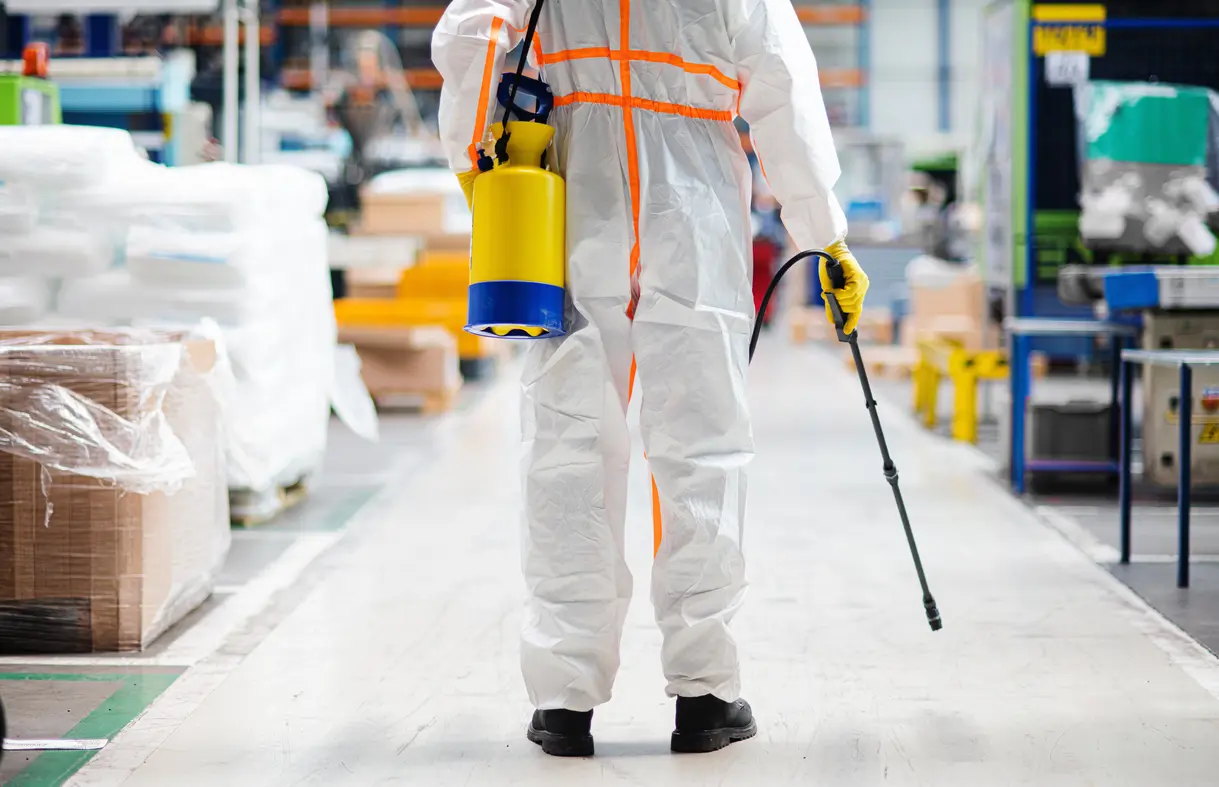
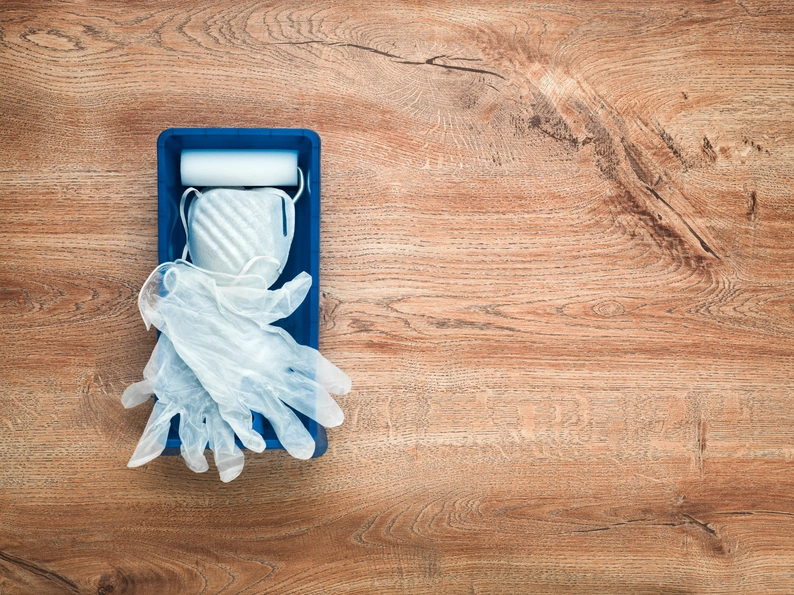
Personal protective equipment is one of the most important safety requirements during cleanup work. Depending on the environment, PPE may include gloves, masks, goggles, helmets, and protective footwear.
These items help reduce exposure to dust, chemicals, sharp materials, and biological contaminants.
Proper Handling of Cleaning Chemicals
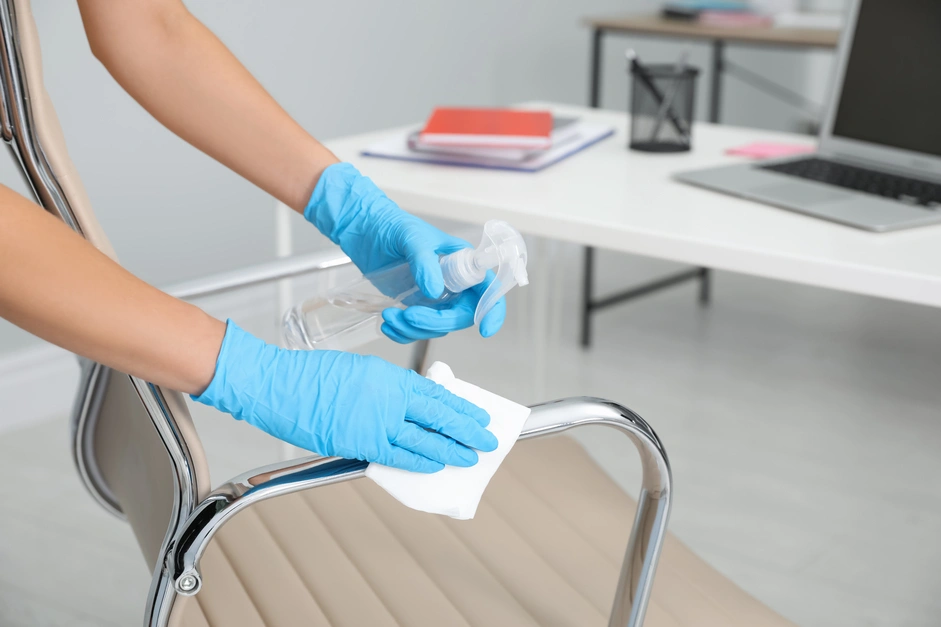
Cleaning chemicals must always be handled with care. Improper use can lead to skin irritation, respiratory issues, or dangerous reactions.
Staff should follow label instructions, avoid mixing chemicals, and use correct dilution ratios to maintain both safety and effectiveness.
Ventilation and Air Safety
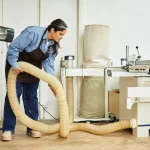
Good ventilation is critical during cleanup, especially when using disinfectants or working in dusty environments.
Proper airflow helps reduce inhalation risks and improves indoor air quality, making the workspace safer for both cleaners and occupants.
Safe Waste Removal Practices
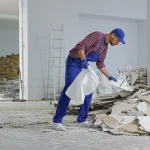
Waste generated during cleanup can include sharp objects, contaminated materials, and hazardous debris. Proper disposal methods must be followed to prevent injuries and contamination.
All waste should be collected in designated containers and disposed of according to local safety regulations.
Slip and Fall Prevention
Wet floors, loose debris, and cluttered areas are common causes of accidents during cleanup operations.
Warning signs, proper footwear, and immediate spill management help reduce slip and fall risks significantly.
Electrical Safety Awareness
In many cleanup environments, electrical hazards may be present due to exposed wiring or damaged equipment.
Cleaning staff should avoid contact with electrical sources and ensure power is safely disconnected before cleaning near electrical installations.
Training and Skill Development
Proper training is essential for maintaining safety standards during cleanup work. Staff should be trained in hazard recognition, equipment use, emergency response, and chemical handling.
Well-trained teams are less likely to make mistakes that lead to accidents or unsafe conditions.
Equipment Inspection and Maintenance
Cleaning equipment such as vacuums, scrubbers, and pressure washers must be inspected regularly before use.
Faulty or poorly maintained equipment can increase the risk of accidents or reduce cleaning efficiency.
Clear Communication on Site
Effective communication between team members helps prevent accidents and ensures smooth workflow during cleanup operations.
Clear instructions, safety briefings, and coordinated task distribution reduce confusion and improve overall safety.
Managing High-Risk Areas
Some areas require extra caution, such as construction zones, industrial spaces, or areas with hazardous materials.
These zones should be clearly marked and handled by trained professionals using appropriate safety procedures.
Emergency Preparedness
Accidents can still happen even with precautions in place. Having an emergency response plan is essential for quick action.
This includes access to first aid kits, emergency contacts, and clear evacuation procedures if needed.
Proper Lighting and Visibility
Good lighting is important for identifying hazards and performing tasks safely. Poor visibility can increase the risk of accidents and missed cleaning areas.
Temporary lighting may be used in low-light environments to improve safety conditions.
Ergonomic Practices
Improper lifting techniques and repetitive movements can lead to physical strain or injury during cleanup work.
Using ergonomic methods and equipment helps reduce fatigue and prevents long-term health issues for cleaning staff.
Regular Safety Monitoring
Supervisors should continuously monitor cleanup operations to ensure safety procedures are being followed correctly.
Ongoing supervision helps identify risks early and maintain consistent safety standards across the site.
Conclusion
Safety measures during cleanup are essential for protecting workers, maintaining efficiency, and preventing accidents in all types of environments. From proper PPE use to chemical handling and site assessment, every step plays a role in ensuring a safe working process.
By following structured safety protocols, cleaning teams can complete tasks effectively while minimizing risks and maintaining a secure environment for everyone involved.