

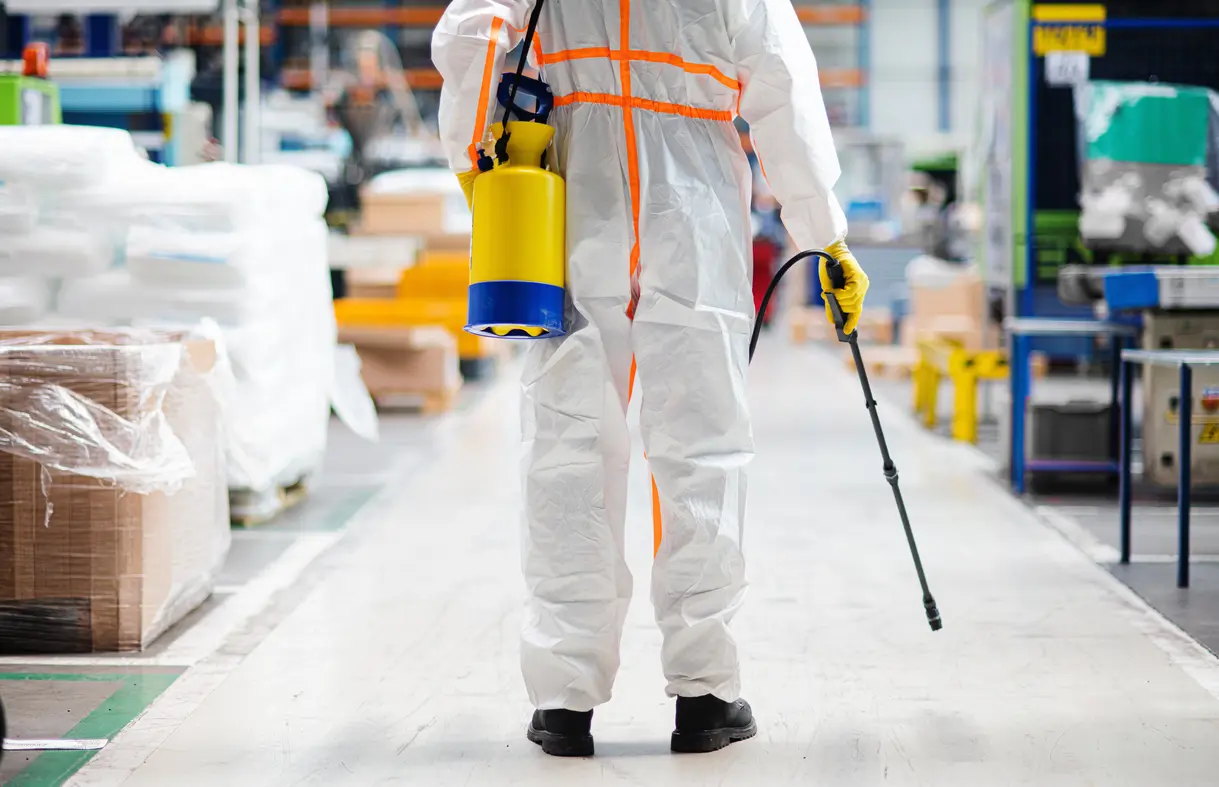

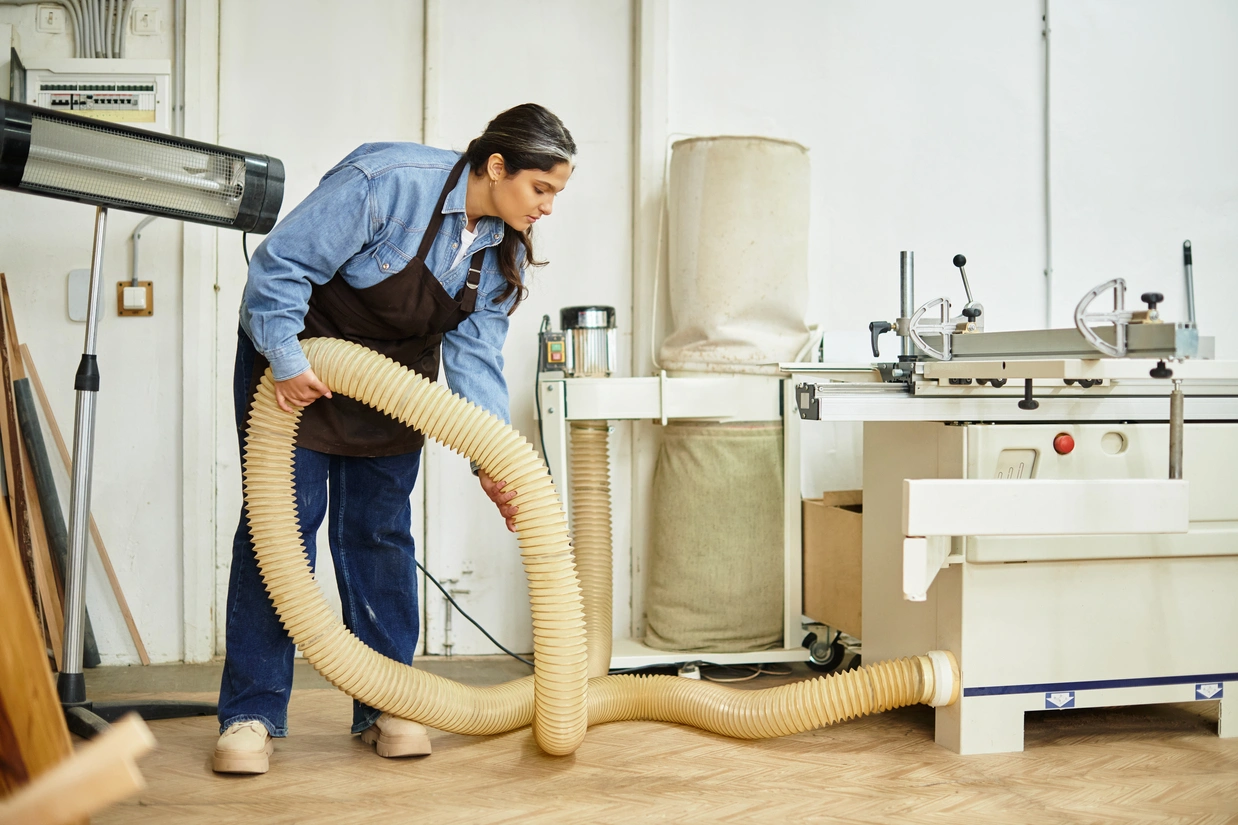
Construction dust is one of the most persistent and frustrating issues after any building or renovation project. It is extremely fine, spreads quickly, and settles in hidden areas such as vents, corners, furniture, and flooring. Removing it properly is essential before a space can be safely used for work or occupancy.
Unlike regular household dust, construction dust often contains materials like drywall particles, cement residue, wood fibers, and silica, which require more advanced cleaning methods and equipment.
Why Construction Dust Is a Serious Issue
Construction dust is not just a visual problem—it can affect indoor air quality and respiratory health. Fine particles remain airborne for long periods and can be inhaled easily.
If not properly removed, it can also settle into HVAC systems, carpets, and electronics, causing long-term contamination and performance issues.
Step 1: Initial Ventilation
The first step in dust removal is improving airflow. Open windows and doors where possible to allow fresh air circulation.
Proper ventilation helps reduce airborne particles and prevents dust from becoming trapped inside enclosed spaces during cleaning.
Step 2: Dry Dust Removal
Dry cleaning is the foundation of construction dust removal. This includes sweeping and vacuuming all visible surfaces before using any wet cleaning methods.
Industrial vacuums with HEPA filters are highly effective because they trap fine particles instead of releasing them back into the air.
Step 3: HEPA Vacuum Cleaning
Standard vacuums are often not strong enough to handle construction dust. HEPA-filter vacuums are specifically designed to capture microscopic particles safely.
These vacuums should be used on floors, walls, furniture, and hard-to-reach areas for maximum dust removal efficiency.
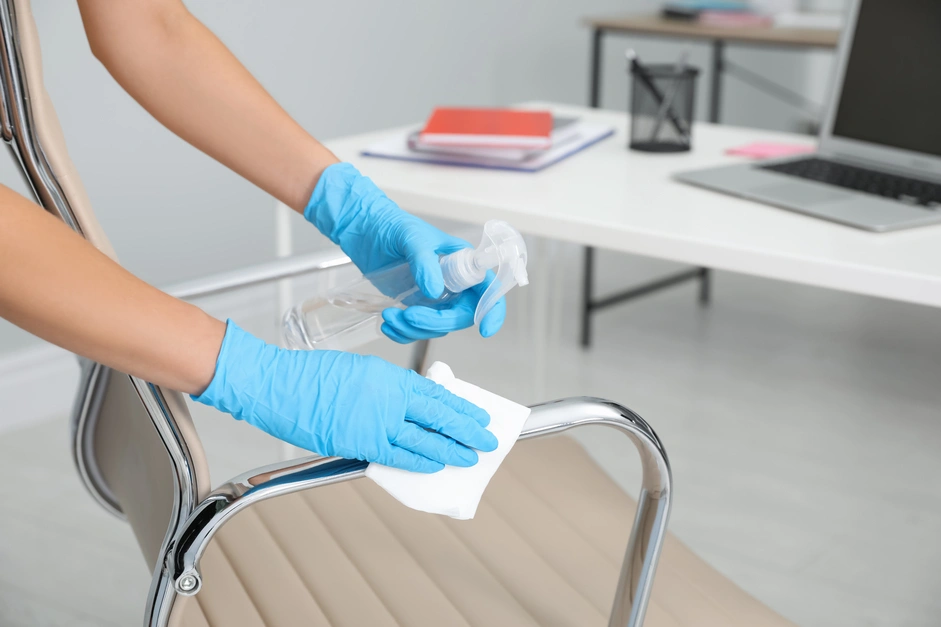
Step 4: Surface Wiping with Microfiber Cloths
Microfiber cloths are essential for removing dust from surfaces without spreading it. They trap particles instead of pushing them around.
All surfaces including desks, shelves, windowsills, and fixtures should be wiped thoroughly from top to bottom.
Step 5: Top-to-Bottom Cleaning Method
Cleaning should always start from higher surfaces and move downward. Dust naturally falls, so starting at the top prevents re-contamination of already cleaned areas.
This method ensures a more efficient and systematic cleaning process.
Step 6: Cleaning Air Vents and HVAC Systems
Construction dust often enters ventilation systems and spreads throughout the building if not cleaned properly.
Air vents, filters, and HVAC components should be inspected and cleaned to prevent ongoing circulation of dust particles.
Step 7: Deep Floor Cleaning
Floors collect the highest concentration of construction dust. Depending on the surface type, different methods are used.
Hard floors may require scrubbing and damp mopping, while carpets may need deep extraction cleaning to remove embedded particles.
Step 8: Wet Wiping for Fine Residue
After dry dust removal, wet wiping helps eliminate fine residue that remains on surfaces.
Using slightly damp microfiber cloths ensures dust is captured without damaging surfaces or spreading particles further.
Step 9: Cleaning Furniture and Fixtures
Furniture, cabinets, and fixtures often hold hidden dust in corners and joints. These areas require careful detailing.
All surfaces should be cleaned inside and outside to ensure complete dust removal.
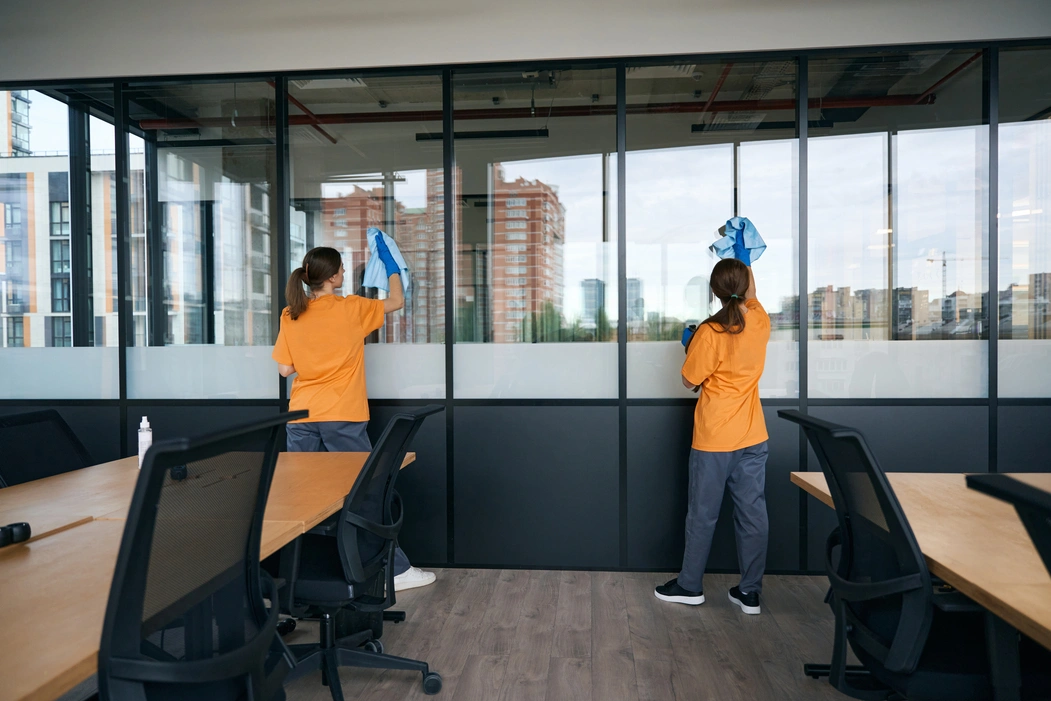
Step 10: Window and Glass Cleaning
Windows and glass surfaces easily collect construction dust and smudges during renovation work.
Special cleaning solutions and tools are used to restore clarity without leaving streaks or scratches.
Step 11: Air Purification and Final Ventilation
Even after visible cleaning, fine dust particles may remain in the air. Air purifiers and continued ventilation help improve indoor air quality.
This step ensures the environment is safe and comfortable for occupancy.
Common Mistakes to Avoid
One common mistake is using dry sweeping alone, which can spread dust into the air instead of removing it. Another is skipping ventilation, which traps particles indoors.
Using improper vacuum equipment can also reduce effectiveness and leave behind fine dust residue.
Importance of Professional Cleaning
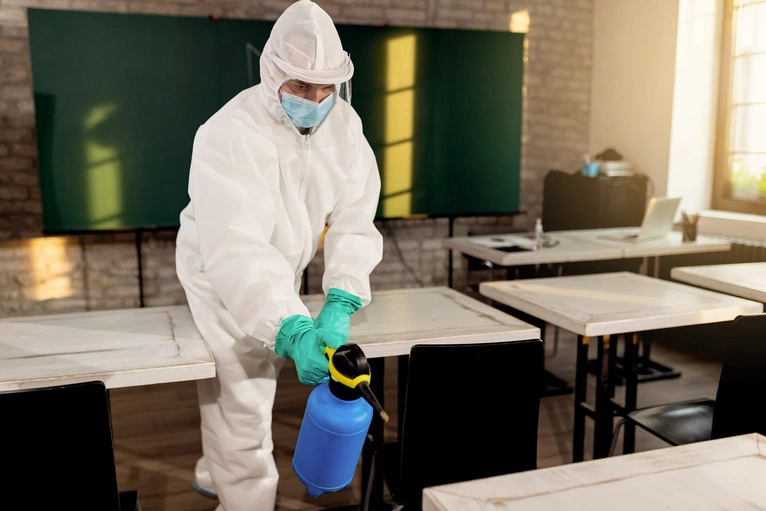
Construction dust removal can be time-consuming and requires specialized tools. Professional cleaning teams use industrial-grade equipment and structured methods to ensure complete removal.
This is especially important for commercial spaces that need to be operational quickly and safely.
Conclusion
Removing construction dust requires a systematic approach that includes ventilation, HEPA vacuuming, surface cleaning, and air purification. Because of its fine nature and health risks, it cannot be handled with basic cleaning methods alone.
Proper dust removal ensures a safe, clean, and fully usable environment after construction or renovation work is completed.