



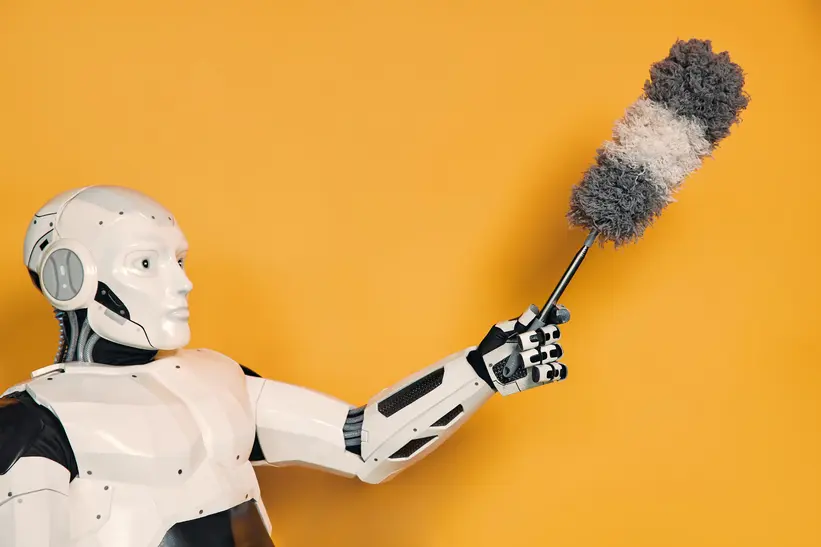
The cleaning industry is going through a major shift driven by automation and smart technology. What used to rely entirely on manual labor is now increasingly supported by robotics, sensors, and data-driven systems. In modern commercial environments like offices, malls, and industrial facilities in cities such as Chicago, automation is changing how cleaning is planned, executed, and monitored.
This shift is not about replacing human cleaners completely—it’s about improving efficiency, consistency, and precision while reducing repetitive manual work.
Rise of Smart Cleaning Equipment
One of the most visible changes in the industry is the adoption of smart cleaning machines. These include robotic vacuum cleaners, automated floor scrubbers, and sensor-based cleaning devices.
These machines can operate with minimal supervision, follow pre-mapped routes, and clean large areas consistently without fatigue or variation in quality.
Robotic Cleaning Systems
Robotic cleaners are now widely used in large commercial spaces such as airports, shopping centers, and warehouses. They are designed to handle repetitive tasks like vacuuming and floor scrubbing.
These systems use navigation technology such as LiDAR and sensors to move around obstacles and clean efficiently without human intervention.
This reduces labor pressure and allows cleaning staff to focus on more detailed or specialized tasks.
AI-Powered Cleaning Optimization
Artificial intelligence is being used to improve cleaning efficiency by analyzing usage patterns and identifying high-traffic areas.
AI systems can suggest optimized cleaning schedules based on real-time data, ensuring that resources are used where they are most needed.
This reduces unnecessary cleaning cycles and improves overall productivity.
Sensor-Based Monitoring Systems
Smart sensors are being installed in commercial buildings to monitor cleanliness levels, restroom usage, and waste bin capacity.
These sensors send alerts when cleaning is required, allowing teams to respond only when necessary instead of following rigid schedules.
This approach improves efficiency and reduces wasted effort.
Automated Floor Cleaning Machines
Automated floor scrubbers are becoming a standard in large facilities. These machines can clean, scrub, and dry floors in a single pass.
They are especially useful in high-traffic environments where manual cleaning would take significantly more time and labor.
These machines also provide consistent results, reducing human error.
Digital Cleaning Management Systems
Automation is not limited to physical machines. Digital platforms now manage cleaning schedules, staff assignments, and task tracking.
These systems allow supervisors to monitor performance in real time, assign tasks remotely, and ensure accountability across teams.
This improves coordination and reduces communication gaps.
Predictive Maintenance in Cleaning
Predictive maintenance uses data to anticipate when cleaning will be needed before problems occur.
For example, restroom sensors can predict peak usage times, or floor traffic data can indicate when deeper cleaning is required.
This helps prevent issues like overflow, dirt buildup, or hygiene risks.
Reduced Labor Strain
Automation reduces the physical workload on cleaning staff by handling repetitive and time-consuming tasks.
This allows workers to focus on detail-oriented cleaning such as sanitization, inspection, and quality control.
It also improves job satisfaction by reducing physically demanding routines.
Improved Consistency and Quality
Unlike manual cleaning, automated systems perform tasks with consistent accuracy every time.
Robots do not experience fatigue or variation in performance, which ensures uniform cleaning results across large areas.
This consistency is especially valuable in commercial environments where presentation matters.
Cost Efficiency Over Time
While automation systems require initial investment, they often lead to long-term cost savings.
Reduced labor hours, optimized cleaning schedules, and lower resource waste contribute to improved operational efficiency.
Businesses benefit from predictable maintenance costs and reduced dependency on large cleaning teams.
Integration with Smart Buildings
Modern buildings are increasingly designed with smart infrastructure that integrates directly with cleaning systems.
Lighting, HVAC, occupancy sensors, and cleaning systems can all communicate to improve efficiency and timing.
This creates a fully connected facility management ecosystem.
Data-Driven Decision Making
Automation provides valuable data insights that help businesses make better cleaning decisions.
Managers can analyze cleaning frequency, high-use zones, and resource consumption to improve planning.
This shifts cleaning from a reactive process to a proactive, data-driven system.
Limitations of Automation
Despite its benefits, automation cannot fully replace human judgment. Complex cleaning tasks, detailed sanitization, and inspection still require trained professionals.
Machines also require maintenance and setup, which adds another layer of responsibility for cleaning teams.
Future of Cleaning Automation
The future of the cleaning industry will likely involve deeper integration of robotics, AI, and IoT systems.
We can expect smarter machines, more autonomous systems, and fully connected cleaning networks that adapt in real time to building conditions.
Conclusion
Automation is transforming the cleaning industry by improving efficiency, reducing labor strain, and enhancing consistency. While human expertise remains essential, smart technologies are becoming a powerful support system in modern commercial cleaning.
Businesses that adopt automation early benefit from better resource management, improved hygiene standards, and more efficient operations overall.