


Smart cleaning technology is rapidly reshaping how commercial spaces are maintained. What used to be a fully manual process is now becoming a connected, data-driven, and partially autonomous system. In modern business environments like offices, malls, hospitals, and industrial facilities in cities such as Chicago, the future of cleaning is moving toward intelligence, automation, and precision.
This shift is not just about convenience—it’s about improving efficiency, reducing costs, and maintaining higher hygiene standards with fewer resources.
Rise of AI-Powered Cleaning Systems
Artificial intelligence is becoming the backbone of smart cleaning technology. AI systems can analyze space usage, predict cleaning needs, and optimize schedules based on real-time data.
Instead of relying on fixed routines, cleaning becomes dynamic—adjusting automatically to foot traffic, occupancy levels, and environmental conditions.
This ensures that cleaning is performed exactly where and when it is needed most.
Autonomous Cleaning Robots
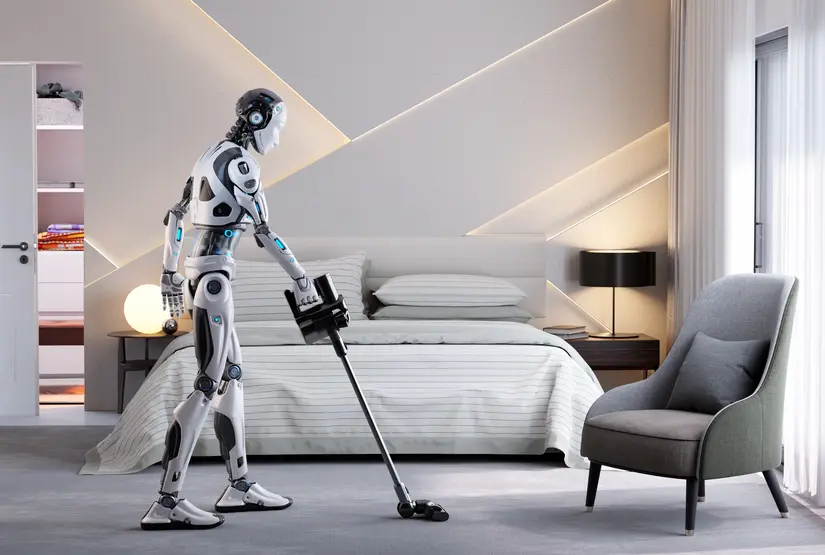
Robotic cleaners are expected to become more advanced, capable of handling complex environments with minimal human supervision.
Future robots will not only vacuum or scrub floors but also detect stains, map dirt levels, and adjust cleaning intensity accordingly.
These machines will be widely used in large commercial spaces such as airports, hospitals, and corporate buildings where consistent cleaning is essential.
IoT-Connected Cleaning Infrastructure
The Internet of Things (IoT) is transforming cleaning into a fully connected system. Sensors placed throughout buildings can monitor usage, waste levels, and hygiene conditions in real time.
For example, restroom sensors can detect usage frequency and trigger cleaning alerts automatically. Waste bins can signal when they need to be emptied, reducing unnecessary checks.
This creates a more efficient and responsive cleaning system.
Predictive Cleaning Models
Instead of reacting to mess, future cleaning systems will predict it before it happens. Predictive models use historical data and AI analysis to forecast cleaning needs.
This helps businesses prepare in advance, reducing downtime and improving overall cleanliness without constant manual monitoring.
Advanced Floor Cleaning Technology
Floor cleaning machines are becoming more intelligent and efficient. Future devices will combine scrubbing, vacuuming, and drying into fully automated cycles.
These machines will also adjust pressure and water usage based on floor type and dirt levels, ensuring optimal results with minimal resource waste.
Smart Disinfection Systems
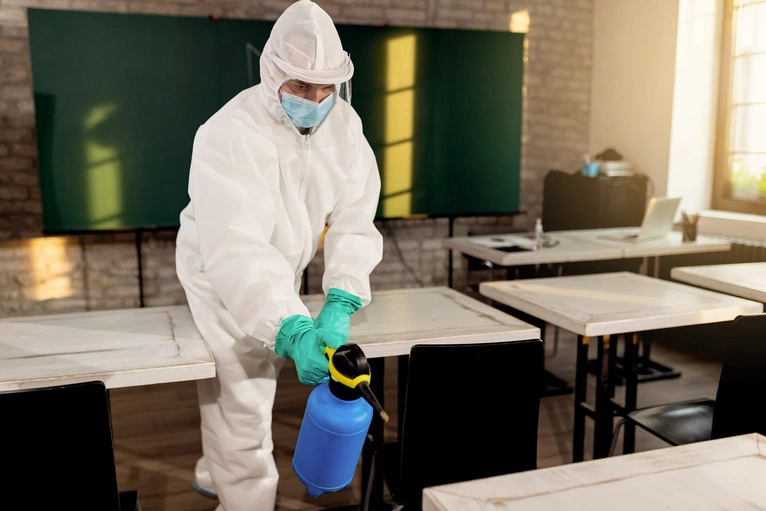
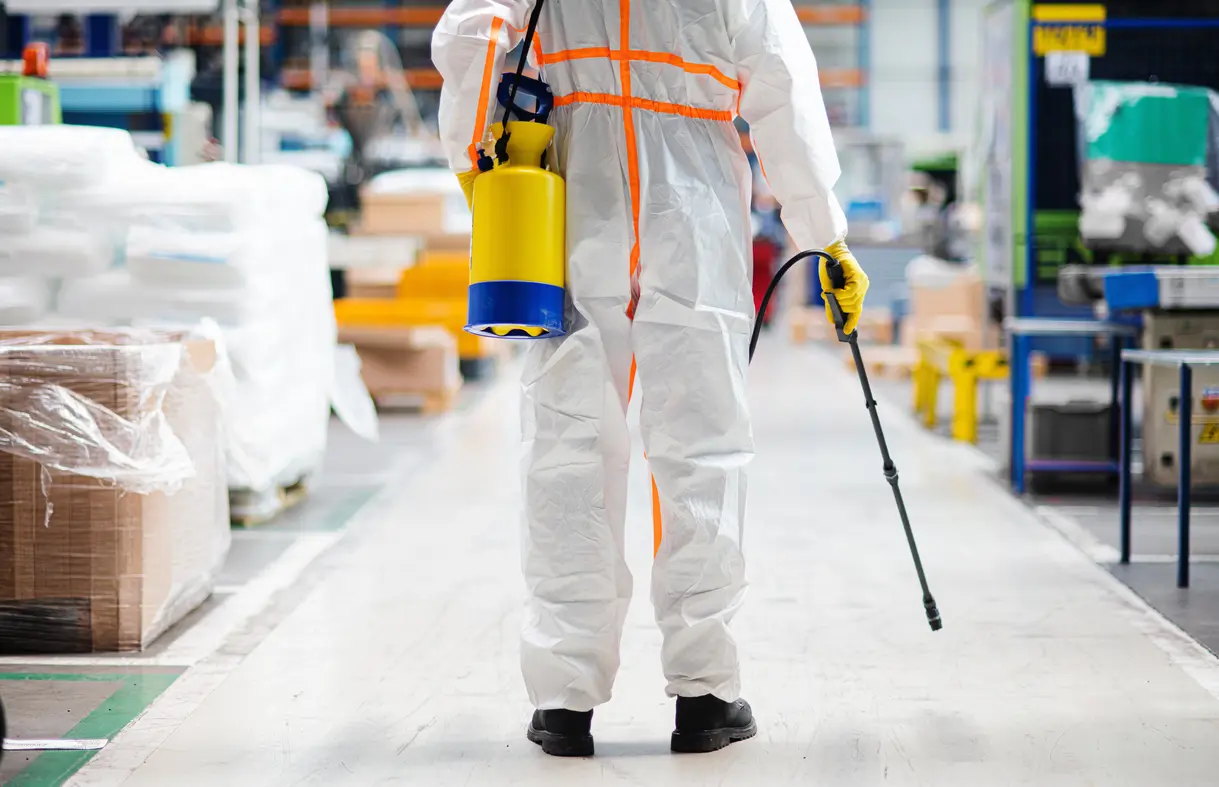
Disinfection technology is also evolving. UV-C light systems and automated spraying devices are being integrated into cleaning routines to eliminate bacteria and viruses more effectively.
These systems can operate without direct human contact, improving safety and reducing chemical exposure in sensitive environments like healthcare facilities.
Data-Driven Facility Management
Smart cleaning will increasingly rely on data dashboards that provide real-time insights into building hygiene status.
Facility managers will be able to track cleaning performance, monitor resource usage, and optimize schedules through centralized platforms.
This improves accountability and ensures consistent service quality across all areas of a building.
Energy-Efficient Cleaning Systems
Future cleaning technologies will focus heavily on sustainability. Machines will use less water, less energy, and fewer chemicals while maintaining high performance.
Eco-friendly automation will become a standard requirement in commercial cleaning operations.
Integration with Smart Buildings
Smart cleaning systems will be fully integrated into smart building infrastructure. Lighting, HVAC systems, occupancy sensors, and cleaning devices will communicate with each other.
For example, cleaning schedules may automatically adjust based on room occupancy or ventilation cycles, creating a seamless facility management system.
Human + Machine Collaboration
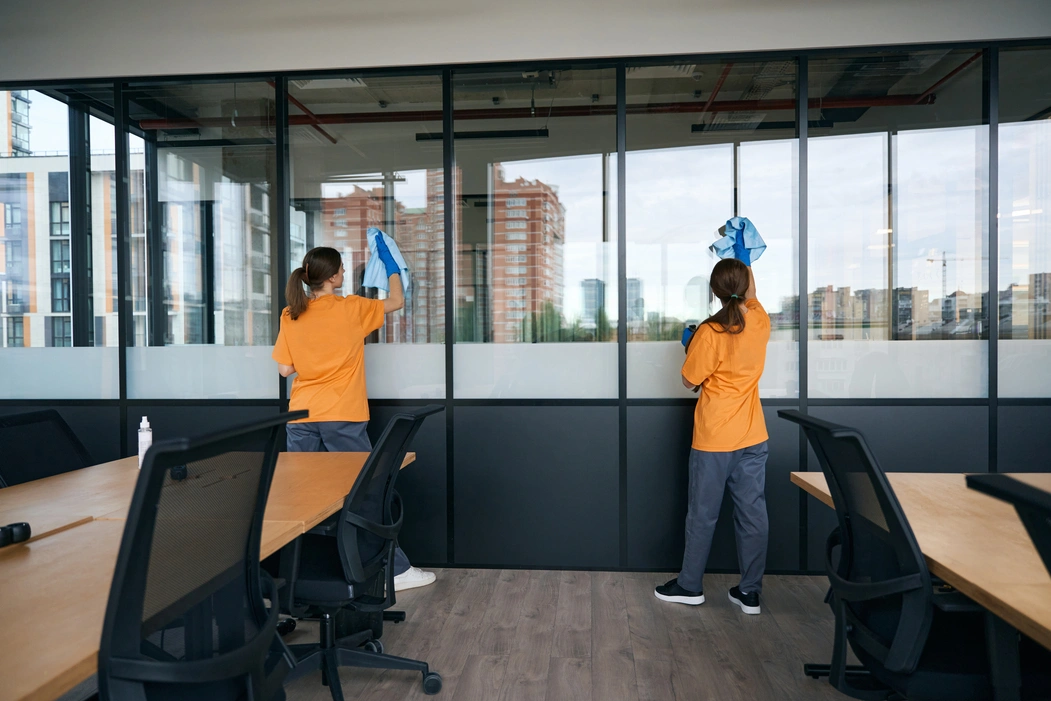
The future of cleaning is not about replacing humans but enhancing their capabilities. Machines will handle repetitive tasks while humans focus on supervision, quality control, and specialized cleaning work.
This collaboration improves efficiency while maintaining the need for human judgment in complex situations.
Enhanced Hygiene Monitoring
Advanced sensors will be able to detect contamination levels on surfaces and in the air. This will allow cleaning teams to respond based on actual hygiene data rather than fixed schedules.
This level of precision will significantly improve cleanliness standards in high-risk environments like hospitals and laboratories.
Cloud-Based Cleaning Management
Cleaning operations will increasingly move to cloud-based platforms. These systems will allow managers to control schedules, track performance, and manage teams remotely.
This improves flexibility and ensures better coordination across multiple locations.
Reduced Operational Costs
Although smart cleaning systems require investment, they are expected to reduce long-term costs through automation, efficiency, and reduced labor dependency.
Optimized resource usage and predictive maintenance also help avoid unnecessary expenses.
Future Challenges
Despite its advantages, smart cleaning technology will face challenges such as high initial costs, maintenance requirements, and the need for skilled operators.
Businesses will need to balance automation with human oversight to achieve the best results.
Conclusion
The future of smart cleaning technology is centered around automation, data intelligence, and sustainability. Cleaning will become more efficient, predictive, and integrated with smart building systems.
Businesses that adopt these technologies early will benefit from improved hygiene, reduced costs, and more efficient facility management in the long run.