


Stains are one of the most common and frustrating issues in commercial carpet maintenance. In busy office environments, spills from coffee, ink, food, and drinks are unavoidable. If not treated correctly and on time, these stains can become permanent, damaging both the appearance and lifespan of the carpet. In high-traffic workplaces like those in Chicago, effective stain removal methods are essential for maintaining a clean and professional environment.
The key to successful stain removal is understanding that not all stains are the same. Different substances require different cleaning approaches. Using the wrong method can make the stain worse or cause permanent fiber damage. That is why commercial carpet care relies on a combination of immediate action, proper cleaning agents, and professional techniques.
Immediate Action: The First Line of Defense
The most important factor in stain removal is speed. The longer a stain remains on the carpet, the deeper it penetrates into the fibers. Immediate action significantly increases the chances of complete removal.
As soon as a spill occurs, the affected area should be blotted gently using a clean cloth or paper towel. Rubbing should be avoided because it spreads the stain and pushes it deeper into the carpet fibers. Blotting helps absorb excess liquid without damaging the material.
Water-Based Stain Removal Method
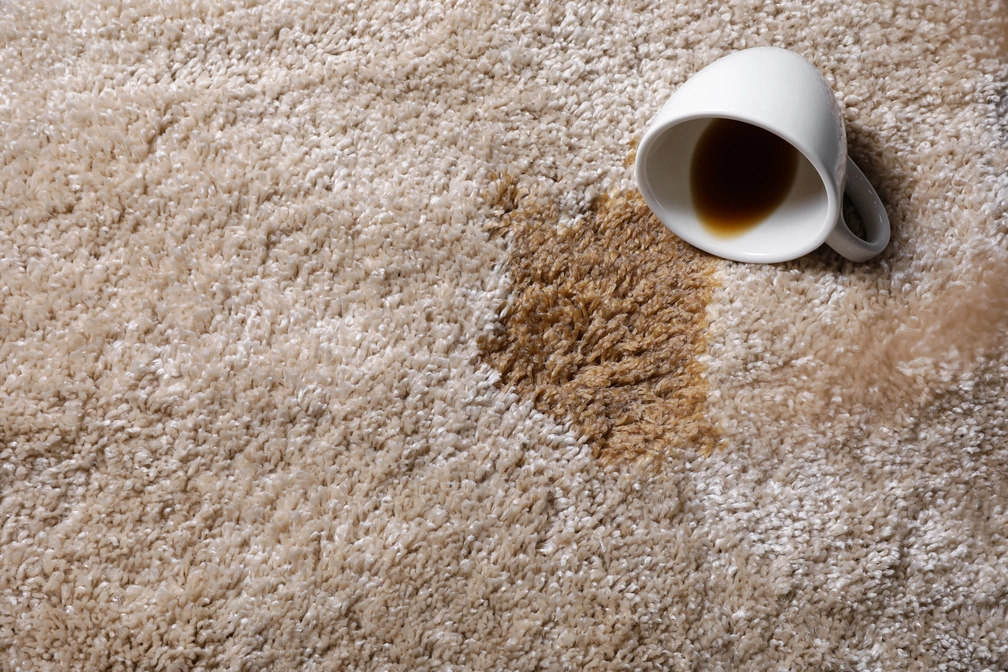
Water-based stains such as coffee, tea, juice, and soft drinks are among the most common in office environments. These stains can usually be treated with a mild cleaning solution and water.
A mixture of warm water and a small amount of gentle detergent can be applied to the stained area. The solution should be blotted gently, followed by rinsing with clean water to remove any residue. Proper drying is essential to prevent moisture buildup and odor formation.
Oil and Grease Stain Treatment
Oil-based stains, such as food grease or cosmetic products, require a different approach because water alone is not effective. These stains tend to cling to carpet fibers and require absorbent and solvent-based cleaning methods.
Commercial degreasers or dry-cleaning solvents are often used to break down oil particles. Absorbent powders may also be applied first to lift excess grease before deeper cleaning is performed. This helps prevent permanent discoloration and fiber damage.
Ink and Dye Stain Removal
Ink stains from pens and markers are particularly challenging in office environments. These stains can spread quickly if not handled carefully, making immediate treatment essential.
Alcohol-based cleaning solutions are commonly used to break down ink particles. The solution should be applied carefully using a blotting technique to avoid spreading the stain. Multiple applications may be required depending on the intensity of the stain.
Protein-Based Stain Cleaning
Protein-based stains such as blood, food, or organic spills require enzymatic cleaners. These specialized cleaning agents break down protein molecules, making it easier to lift the stain from carpet fibers.
Cold water is typically recommended for initial treatment, as hot water can cause protein stains to set permanently. Enzymatic cleaners are then applied and left to work before being removed through blotting or extraction.
Use of Hot Water Extraction Method
Hot water extraction, also known as steam cleaning, is one of the most effective professional methods for deep stain removal. It involves injecting hot water mixed with cleaning agents into the carpet and then extracting it along with dissolved dirt and stains.
This method not only removes visible stains but also eliminates deep-seated dirt and bacteria. It is widely used in commercial carpet cleaning because of its effectiveness and ability to restore carpet appearance.
Dry Cleaning Method for Sensitive Carpets
Some commercial carpets cannot withstand excessive moisture. In such cases, dry cleaning methods are used. These involve applying specialized cleaning compounds that absorb dirt and stains without soaking the carpet.
Once the compound binds with dirt particles, it is vacuumed away, leaving the carpet clean and dry. This method is ideal for offices that require minimal downtime.
Preventing Stain Setting Through Proper Techniques
One of the biggest mistakes in stain removal is aggressive scrubbing. Scrubbing can damage carpet fibers and push stains deeper into the material. Instead, controlled blotting and gentle application of cleaning solutions are recommended.
Using the right technique ensures that stains are removed effectively without compromising carpet quality. Proper training of cleaning staff is essential to avoid long-term damage.
Role of Professional Cleaning Services
While minor stains can be handled in-house, professional cleaning services are essential for deep or stubborn stains. Professionals use industrial-grade equipment and advanced cleaning solutions that are not available in standard office settings.
They also have the expertise to identify stain types and apply the correct removal method, ensuring effective results without damaging carpet fibers.
Preventive Measures for Stain Reduction
Prevention is always better than treatment. Simple preventive measures such as placing mats at entrances, enforcing no-food zones, and encouraging quick spill reporting can significantly reduce stain occurrences.
Regular carpet maintenance also helps reduce the likelihood of permanent staining by keeping fibers clean and less absorbent over time.
Conclusion
Effective stain removal in commercial carpets requires a combination of quick action, correct techniques, and appropriate cleaning agents. Each type of stain demands a specific approach to ensure successful removal without damaging carpet fibers.
By implementing proper stain management practices and relying on professional cleaning when needed, businesses can maintain clean, attractive, and long-lasting carpets that support a professional office environment.