


Office upholstery often gets overlooked in routine cleaning schedules, yet it plays a major role in how a workspace looks, feels, and even smells. Chairs, sofas, reception seating, and meeting room furniture absorb dust, sweat, food particles, and airborne pollutants over time. In busy business environments like those in Chicago, this buildup happens faster due to high employee traffic and frequent client visits.
Proper upholstery cleaning is not just about maintaining appearance—it directly affects hygiene, comfort, and the lifespan of furniture. Well-maintained upholstery creates a more professional environment and helps businesses avoid premature replacement costs.
Understanding Upholstery Materials
Before cleaning upholstery, it is important to understand the material type. Different fabrics require different cleaning methods. Common office upholstery materials include synthetic fibers, leather, microfiber, and blended fabrics.
Synthetic materials are generally more durable and easier to clean, while natural fabrics may require gentler handling. Leather upholstery needs special conditioning to prevent cracking and drying. Identifying the material correctly ensures that the right cleaning method is used without causing damage.
Regular Vacuuming for Surface Maintenance
Vacuuming is the first and most basic step in upholstery care. Dust, crumbs, and loose debris settle into fabric fibers daily, especially in high-use office areas.
Using a vacuum cleaner with an upholstery attachment helps remove surface dirt before it becomes embedded. Regular vacuuming prevents buildup and keeps furniture looking fresh between deep cleaning sessions.
Immediate Spot Cleaning for Spills
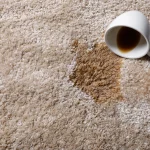
Spills are common in office environments, especially in meeting rooms and break areas. Coffee, tea, and food stains can quickly damage upholstery if not treated immediately.
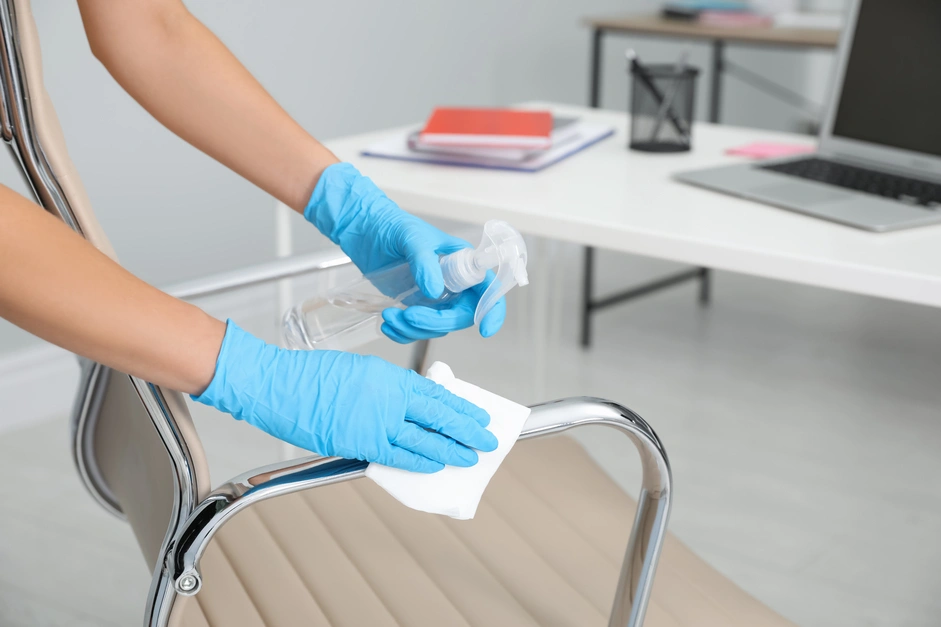
The best practice is to blot the spill gently using a clean cloth without rubbing. Rubbing can push the stain deeper into the fabric. Mild cleaning solutions should be used depending on the fabric type, followed by gentle drying to prevent moisture retention.
Deep Cleaning for Long-Term Maintenance
Surface cleaning alone is not enough to maintain upholstery over time. Deep cleaning is necessary to remove embedded dirt, allergens, and bacteria that accumulate within fabric layers.
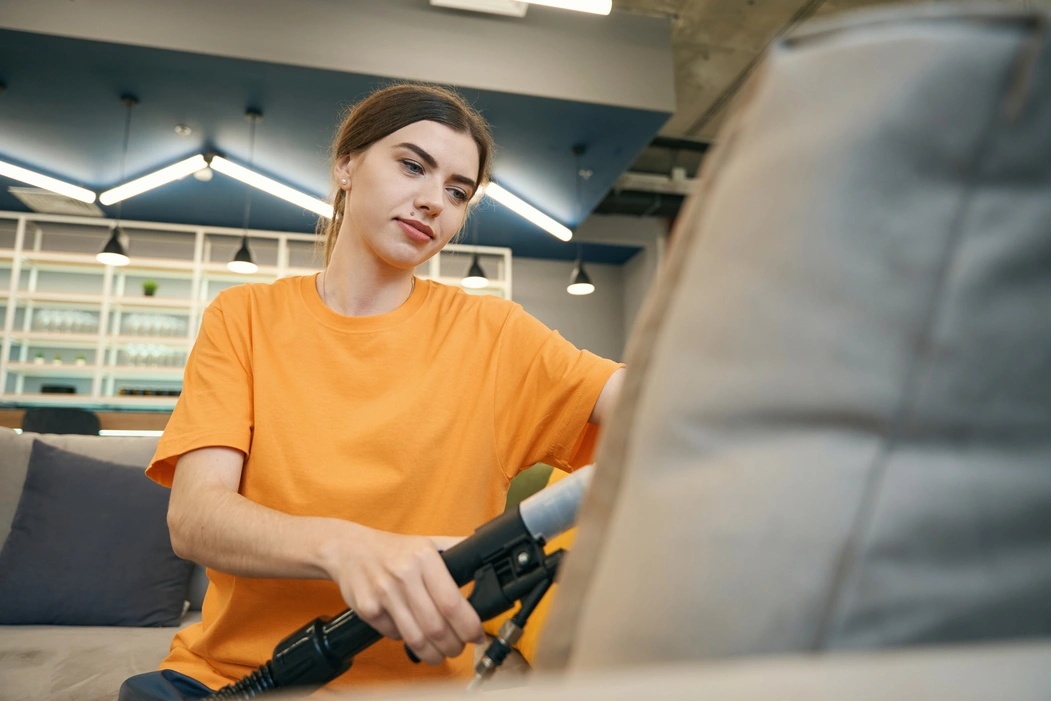
Methods such as steam cleaning or hot water extraction are commonly used in commercial settings. These techniques penetrate deep into the fabric, lifting dirt and sanitizing the material effectively without causing damage when done professionally.
Leather Upholstery Care
Leather furniture requires a different approach compared to fabric upholstery. It should not be exposed to excessive moisture or harsh chemicals, as this can lead to cracking or fading.
Regular dusting and wiping with a damp cloth are recommended for daily maintenance. Specialized leather cleaners and conditioners help preserve softness and prevent drying over time, extending the life of the furniture.
Odor Control and Freshness
Upholstery can absorb odors from food, sweat, and the surrounding environment. Over time, this can create an unpleasant smell in the office space.
Deep cleaning helps eliminate odor-causing bacteria, while fabric-safe deodorizers can maintain freshness between cleanings. Proper ventilation also plays a key role in preventing odor buildup.
Allergen and Dust Control
Upholstered furniture can trap allergens such as dust mites, pollen, and airborne particles. This can affect indoor air quality and cause discomfort for employees, especially those with allergies.
Regular cleaning reduces allergen buildup and improves overall air quality in the workplace. This contributes to a healthier and more comfortable working environment.
Extending Furniture Lifespan
Office furniture is a significant investment for any business. Without proper maintenance, upholstery can wear out quickly, leading to fading, tearing, and structural damage.
Consistent cleaning helps preserve fabric integrity and prevents early deterioration. This extends the lifespan of furniture and reduces replacement costs over time.
Maintaining Professional Appearance
Clean upholstery contributes significantly to the overall appearance of an office. Stained or worn-out furniture can negatively impact client impressions and reduce the perceived professionalism of a business.
Well-maintained seating areas, especially in reception and meeting rooms, help create a positive and welcoming environment for visitors and clients.
Preventive Maintenance Practices
Preventive care is key to reducing heavy cleaning needs. Simple practices such as restricting food consumption in certain areas, using protective covers, and regular inspection of furniture can significantly reduce wear and tear.
Encouraging employees to report spills immediately also helps prevent stains from setting in and becoming permanent.
Role of Professional Upholstery Cleaning
While daily maintenance can be handled in-house, professional upholstery cleaning is essential for deep restoration. Professionals use specialized equipment and cleaning solutions designed for different fabric types.
They can effectively remove deep stains, sanitize furniture, and restore original texture without causing damage. Regular professional cleaning ensures consistent quality and hygiene standards in office environments.
Conclusion
Upholstery cleaning is an essential part of maintaining a clean, healthy, and professional office environment. From regular vacuuming and spot cleaning to deep professional treatment, each step plays a role in preserving furniture quality and appearance.
By following proper upholstery care practices, businesses can extend furniture lifespan, improve indoor hygiene, and maintain a positive impression on employees and clients alike.