

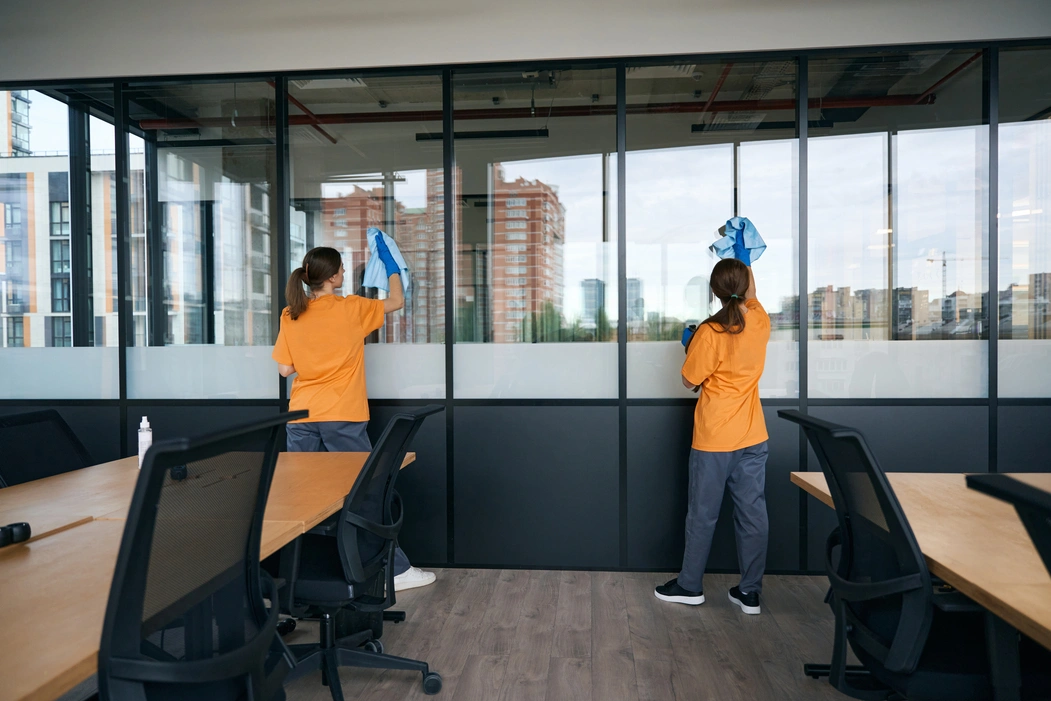

Commercial floors are one of the most visible and heavily used surfaces in any business environment. Whether it’s an office lobby, retail store, hospital corridor, or industrial facility, floors take constant pressure from foot traffic, equipment movement, and daily operations. Maintaining a shiny, clean floor is not just about aesthetics—it directly reflects the professionalism and standards of a business.
In busy commercial environments like those in Chicago, floors are exposed to dust, moisture, salt (in winter), and continuous wear. Without proper maintenance, even high-quality flooring can quickly lose its shine, develop scratches, and appear dull. A structured care routine is essential to preserve both appearance and durability.
Understanding Floor Types and Their Needs
Different commercial flooring materials require different maintenance approaches. Common types include vinyl, tile, marble, concrete, and hardwood. Each surface reacts differently to cleaning products and traffic wear.
For example, marble floors require gentle cleaning and polishing to maintain their natural shine, while vinyl floors are more resistant but still need regular buffing. Understanding the floor type is the first step toward effective maintenance and long-lasting shine.
Daily Cleaning for Surface Protection
Daily cleaning is essential to prevent dirt buildup, which is the main cause of dull floors. Dust, grit, and debris act like sandpaper when walked on, gradually scratching the surface and reducing shine.
Regular sweeping and mopping help remove these particles before they cause damage. Microfiber mops are especially effective because they trap fine dust without spreading it around. Keeping floors clean on a daily basis is the foundation of long-term floor maintenance.
Importance of Immediate Spill Cleaning
Spills are unavoidable in commercial environments. Whether it’s coffee in an office or water in a retail store, leaving spills unattended can cause stains, slip hazards, and surface damage.
Immediate cleaning prevents liquids from penetrating the floor surface. Using appropriate cleaning solutions based on floor type ensures that stains do not set in and shine is preserved over time.
Regular Mopping with Proper Solutions
Mopping is more than just a cleaning routine—it plays a key role in maintaining floor shine. However, using the wrong cleaning solution can leave residue that dulls the surface.
Neutral pH cleaners are recommended for most commercial floors because they clean effectively without damaging protective coatings. Overuse of harsh chemicals should be avoided as they can strip polish and reduce shine over time.
Floor Polishing for Long-Term Shine
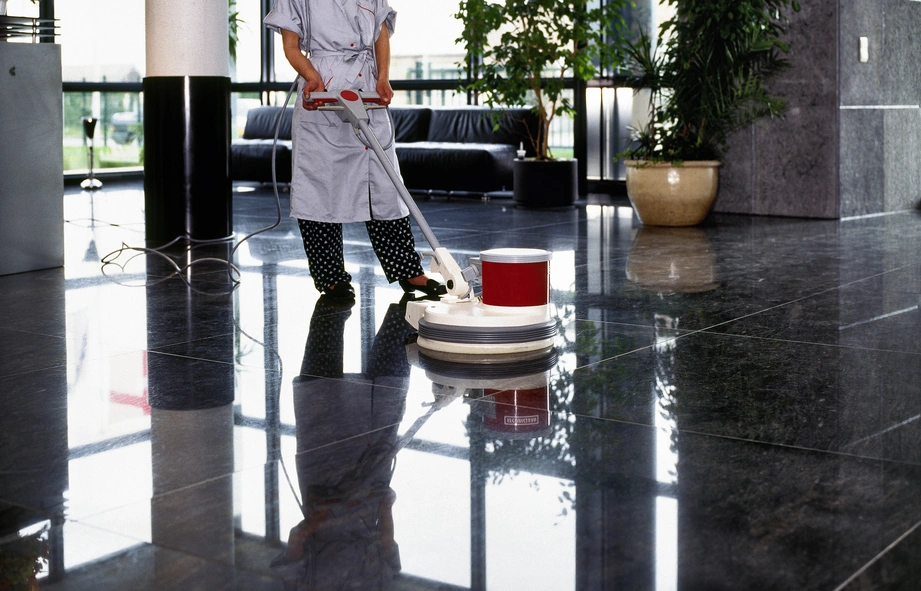
Polishing is one of the most effective methods for restoring and maintaining floor shine. It involves buffing the surface to create a smooth, reflective finish.
Regular polishing helps remove minor scratches and restores the original gloss of the floor. In high-traffic commercial spaces, scheduled polishing ensures that floors always look fresh and well-maintained.
Buffing for Instant Shine Restoration
Buffing is a faster method used to restore shine between deep polishing sessions. It uses high-speed machines to smooth the floor surface and enhance reflectivity.
This process is especially useful for maintaining appearance in busy areas like lobbies and retail entrances where first impressions matter most.
Protective Coatings and Sealants
Applying protective coatings is an important step in floor maintenance. Sealants create a barrier that protects the surface from stains, scratches, and moisture damage.
These coatings also make cleaning easier by preventing dirt from penetrating the surface. Regular reapplication ensures continued protection and long-term shine retention.
Managing High-Traffic Areas
Not all areas of a commercial space experience the same level of wear. Entryways, corridors, and reception areas typically see the highest traffic and lose shine faster.
These zones require more frequent cleaning, polishing, and inspection. Strategic maintenance in high-traffic areas helps maintain overall floor consistency across the entire space.
Preventing Scratches and Surface Damage
Scratches are one of the main reasons floors lose their shine. They are often caused by dragging furniture, dirt particles, or heavy equipment movement.
Using furniture pads, regular cleaning, and proper handling of equipment can significantly reduce surface damage. Preventing scratches is easier and more cost-effective than repairing them later.
Seasonal Floor Maintenance Challenges
Seasonal changes can affect floor condition significantly. In winter, salt and moisture from outside can damage floors, while in summer, dust levels tend to increase.
Adjusting cleaning frequency and methods according to seasonal conditions helps maintain consistent floor shine throughout the year.
Role of Professional Floor Cleaning Services
While daily maintenance is essential, professional floor cleaning services provide deep restoration that cannot be achieved through routine cleaning alone.
Professionals use industrial-grade machines for stripping, polishing, and sealing floors. This ensures long-lasting shine and restores floors that have already started to lose their appearance.
Cost Benefits of Proper Floor Maintenance
Maintaining shiny floors is not just about appearance—it also has financial benefits. Well-maintained floors last longer, reducing the need for expensive replacements or repairs.
Regular care also prevents major damage, which can be costly to fix. Investing in maintenance is significantly more cost-effective than dealing with full-scale restoration later.
Conclusion
Maintaining shiny commercial floors requires a combination of daily care, proper cleaning techniques, preventive measures, and periodic professional maintenance. Each step plays a role in preserving both appearance and durability.
For businesses, clean and shiny floors are a reflection of professionalism and attention to detail. A consistent maintenance strategy ensures long-lasting shine, improved safety, and a strong visual impression for employees and visitors alike.